
🩺 Acne, Acne Marks, and Acne Scar Treatment in Mohandessin and Faisal | Dr. Qamaria Tarek El-Banna
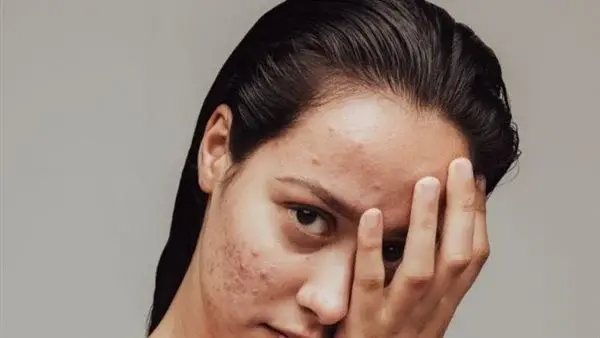
Acne is a common skin condition that can appear on the face, back, and chest, with severity varying from person to person. While some cases improve with appropriate skincare and medical treatment, others may leave dark marks or scars that affect the skin's texture and appearance. Treating acne therefore involves more than reducing active pimples; it may also include addressing pigmentation and scars according to the individual's skin condition.
If you experience acne or acne-related marks and are looking for suitable options to improve your skin's health and appearance, you can book an appointment with Dr. Qamaria Tarek El-Banna at either the Mohandessin or Faisal clinic branch to have your skin assessed and discuss appropriate treatment options.
📞 For appointments and inquiries:
01206666199
01143477710
🔎 What Is Acne and Why Does It Develop?
Acne is a skin condition that occurs when hair follicles become clogged with oil and dead skin cells. Inflammation or an increase in certain bacteria naturally present on the skin may also contribute to the condition.
Several factors may contribute to acne or make it more severe, including hormonal changes, excess oil production, genetic predisposition, and the use of certain products that may clog pores.
Acne can appear in different forms, including blackheads, whiteheads, inflamed red pimples, pus-filled spots, and deep, painful lesions.
The appropriate treatment depends on the type and severity of the acne and how widely it has spread. Therefore, using skincare products or medications randomly is not recommended, particularly when the acne is inflamed or leaves scars.
⚠️ What Causes Acne to Develop and Recur?
Acne may result from several interacting factors and is not always related to inadequate skin cleansing, as some people believe.
Common contributing factors include:
-
Hormonal changes: These may increase oil production during certain stages of life or during hormonal fluctuations.
-
Excess oil production: Excess oil combined with dead skin cells may block pores.
-
Genetic factors: A predisposition to acne may run in some families.
-
Certain skincare products: Products that are unsuitable for the skin type may contribute to clogged pores.
-
Some medications: Certain medicines may be associated with acne in some individuals.
-
Improper handling of pimples: Squeezing or picking at pimples may increase inflammation and raise the risk of scarring.
Understanding the factors contributing to an individual's acne can help guide treatment and reduce the likelihood of recurring breakouts.
🩺 How Is Acne Treated?
Acne treatment depends on the type of lesions, their severity, the affected areas, the person's skin type, and previous treatments.
Depending on the medical assessment, treatment options may include the following.
🧴 Topical Treatments
A dermatologist may recommend topical products containing active ingredients such as retinoids, benzoyl peroxide, or azelaic acid, depending on the type of acne and the skin's suitability for treatment.
Some of these treatments help reduce clogged pores, inflammation, and the development of new pimples. Consistent use may be necessary before improvements become noticeable. Following the doctor's instructions can help reduce irritation and dryness.
💊 Oral Medications
Some moderate or severe cases may require oral medications, such as certain antibiotics, hormonal treatments, or isotretinoin, depending on the diagnosis and the patient's health.
These medications are not suitable for everyone. Some require careful medical monitoring and assessment of potential side effects and drug interactions. They should not be used without appropriate medical supervision.
🧼 Daily Skincare
A suitable skincare routine can support treatment and help minimize irritation. General recommendations include:
-
Washing the face gently with a cleanser suitable for the skin type.
-
Avoiding vigorous scrubbing and harsh exfoliants.
-
Using a moisturizer that is appropriate for acne-prone skin and does not clog pores.
-
Applying a suitable sunscreen.
-
Avoiding squeezing pimples or attempting to drain them manually.
Daily skincare is an important part of an acne management plan, but it may not be sufficient on its own for inflamed or severe cases.
🎯 What Is the Difference Between Acne Marks and Acne Scars?
It is important to distinguish between acne marks and acne scars because they require different treatment approaches.
🔴 Acne Marks and Pigmentation
After pimples disappear, they may leave red, brown, or dark spots. These marks do not necessarily indicate permanent scarring and may gradually improve with time, appropriate skincare, and doctor-recommended treatments.
Treatment options may include topical products such as azelaic acid or retinoids, together with regular sunscreen use. The choice depends on the type of pigmentation, skin tone, and skin sensitivity.
🕳️ Acne Scars
Acne scars develop when inflammation changes the structure of the skin. They may appear as depressions, small pits, or raised scars.
Scars vary in shape and depth, ranging from shallow to deep. Their characteristics need to be assessed before selecting an appropriate treatment.
Creams alone generally cannot remove all types of acne scars, and some cases may require specialized dermatological procedures.
✨ What Are the Treatment Options for Acne Scars?
Several options are available for improving acne scars. The choice depends on the scar type, depth, skin tone, and overall skin condition.
🔬 Chemical Peels
Suitable chemical peels may help improve skin texture and reduce certain types of superficial pigmentation. The products and peel strength depend on the skin assessment. An unsuitable peel may cause irritation or changes in skin pigmentation.
⚡ Laser and Energy-Based Treatments
Certain laser treatments may improve the appearance of some acne scars or pigmentation, depending on the scar type and skin characteristics. Choosing the appropriate laser and settings requires a professional assessment because responses and risks vary between individuals.
🪡 Microneedling
Microneedling involves creating controlled, tiny injuries in the skin to stimulate its natural healing processes. It may help improve certain types of depressed acne scars, but suitability depends on the individual case. The procedure must be performed appropriately to reduce the risk of infection or worsening pigmentation.
🩺 Other Procedures Depending on the Scar Type
Some scars may require other specialized procedures, such as releasing tissue beneath the scar or using different treatment techniques, depending on their shape and depth.
No single technique is suitable for every scar. Improvement may require several sessions, and scars may not disappear completely. It is important to discuss expected results, potential risks, and the likely number of sessions before starting treatment.
🌞 Why Is Sunscreen Important When Treating Acne Marks?
Dark acne marks may become more noticeable or last longer when the skin is exposed to sunlight without adequate protection, particularly in people who are prone to pigmentation.
Using a broad-spectrum sunscreen with an appropriate sun protection factor and reapplying it according to the instructions can help protect the skin and support pigmentation treatment.
It is also advisable to avoid combining multiple exfoliating or irritating products without medical guidance, especially when using acne medications or after dermatological procedures.
🚫 Mistakes to Avoid When Treating Acne
Certain habits may increase inflammation or delay improvement. These include:
-
Squeezing or scratching pimples.
-
Using irritating home remedies.
-
Frequently changing treatment products without allowing enough time for them to work.
-
Using medication prescribed for someone else.
-
Taking antibiotics without medical supervision.
-
Undergoing peels or laser procedures without assessing whether they are suitable for the skin.
-
Ignoring active acne while focusing only on existing marks.
It is preferable to assess both active acne and existing scars when developing a treatment plan. This helps address new breakouts while managing marks left by previous lesions.
👩⚕️ When Should You Visit a Dermatologist?
You should consider consulting a dermatologist if your acne is severe or painful, keeps recurring, leaves scars, or does not improve with appropriate skincare.
An assessment may also be helpful if acne affects your confidence or emotional well-being, or if you are considering prescription medication or a cosmetic procedure.
A skin examination helps identify the type of acne and scars, review previous treatments, and select suitable options. The treatment plan may begin with controlling active acne before addressing pigmentation or scars when the skin is ready for further treatment.
📍 Acne, Acne Mark, and Scar Treatment with Dr. Qamaria Tarek El-Banna
If you are looking for acne and acne scar treatment in Mohandessin or Faisal, you can contact Dr. Qamaria Tarek El-Banna to book an appointment, have your skin assessed, and discuss available treatment options.
📍 Mohandessin Branch
Address:
9 Abdel Hamid Lotfy Street, off El-Batal Ahmed Abdel Aziz Street, Mohandessin, Giza.
Contact numbers:
01206666199
01143477710
0233380881
📍 Faisal Branch
Address:
401 Faisal Main Street, El-Talbiya Station, Giza, 2nd and 4th floors.
Contact numbers:
01206666199
01143477710
0233931620
📞 For appointments and inquiries by phone or WhatsApp:
01206666199
01143477710
📞 Book Your Appointment for Acne and Acne Scar Assessment
If you experience recurring breakouts, pigmentation, or scars caused by acne, a professional assessment can help identify the nature of the problem and determine which treatment options may be suitable for your skin.
Contact Dr. Qamaria Tarek El-Banna at either the Mohandessin or Faisal branch to inquire about available appointments and arrange a skin assessment.
The information in this article is for general educational purposes and does not replace a medical examination. Treatment for acne, acne marks, and scars varies according to skin type and the severity of the condition. A doctor should determine the appropriate treatment after assessing the skin. Complete scar removal cannot be guaranteed, and dermatological treatments and procedures should be performed under the supervision of a qualified professional.