
Acne and Acne Scar Treatment | Magenta Dermatology and Aesthetic Clinic
Acne is a common skin condition that may develop during adolescence or continue into adulthood. Symptoms can range from blackheads and whiteheads to inflamed pimples and deeper lesions. In some cases, acne also leaves dark spots or scars that affect the appearance and texture of the skin.
Treatment for acne and its effects depends on the type and severity of the breakouts, the patient's skin characteristics, and whether discoloration or scarring is present. Identifying the specific concern is an important step toward choosing an appropriate treatment plan and reducing the risk of further breakouts or worsening marks.
Contact and Booking Information
Address:
North 90th Street, Trivium Business Complex, 2nd Floor, Clinic 211, Fifth Settlement, New Cairo, Egypt.
Phone/WhatsApp:
What Causes Acne?
Acne develops when oil and dead skin cells accumulate inside hair follicles and block pores. This can lead to blackheads and whiteheads.
When inflammation develops within the follicle, red pimples or pus-filled lesions may appear. More severe cases can involve deeper, painful nodules that may leave scars after they improve.
Several factors may contribute to acne or make it worse:
-
Hormonal changes: These can increase oil production, particularly during adolescence and certain hormonal changes in adulthood.
-
Genetics: Acne may be more common in people with a family history of the condition.
-
Some skincare products: Products that clog pores may contribute to breakouts in susceptible individuals.
-
Stress and poor sleep: These may coincide with worsening symptoms in some people.
-
Certain medications or health conditions: These may affect the skin, so patients should tell their clinician about the medicines they use.
Acne does not mean that the skin is unclean. Excessive washing or harsh exfoliation can irritate the skin and make symptoms worse.
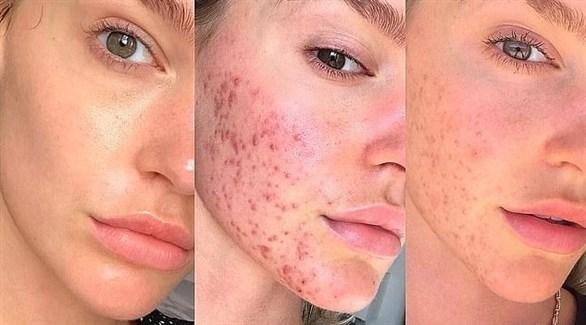
What Is the Difference Between Active Acne and Acne Marks?
It is important to distinguish active breakouts from the marks left behind after they improve, because each may require a different approach.
Active acne may appear as blackheads, whiteheads, inflamed pimples, or deeper lesions. Treatment aims to reduce inflammation, limit blocked pores, and control new breakouts.
Acne marks may include brown or dark spots that develop after inflammation, as well as red areas that remain after a pimple has healed. These color changes may gradually improve with time, suitable skincare, and appropriate treatment.
These marks differ from acne scars, which may appear as depressions in the skin or raised areas. Some discoloration can be managed with suitable topical treatments, while scars may require specialized dermatological procedures.
Identifying the type of mark is therefore essential before selecting a treatment.
What Are the Treatment Options for Acne?
Treatment depends on the severity and type of acne and how widely it has spread. Some patients may need one treatment, while others may benefit from a combination of approaches under medical supervision.
Topical Treatments
Topical products may help reduce clogged pores and inflammation. Depending on the skin and the type of acne, a clinician may recommend ingredients such as topical retinoids, azelaic acid, or benzoyl peroxide.
These products should be used as directed. Some ingredients may cause dryness, redness, or irritation, particularly when treatment begins.
Combining several active products without guidance can increase irritation rather than improve the skin.
Oral Medication
Moderate or severe acne may require oral medication, such as certain antibiotics for a limited period or other treatments selected according to the patient's needs.
Isotretinoin may be considered for some severe or treatment-resistant cases, but it requires careful medical supervision and specific precautions. It is not suitable for everyone.
Antibiotics, hormonal medication, and other prescription treatments should not be started without medical assessment. Patients who are pregnant or planning pregnancy should inform their clinician before using medicines that may harm a developing baby.
Daily Skincare
A suitable skincare routine can support treatment and reduce irritation. It may include:
-
Gently cleansing the face with a suitable cleanser.
-
Using a moisturizer that does not clog pores when needed.
-
Applying sunscreen appropriate for acne-prone skin.
-
Avoiding squeezing or picking pimples.
-
Introducing new products gradually and monitoring the skin's response.
Visible improvement may take several weeks, and some cases require longer treatment. Medical reassessment is advisable if acne does not improve, begins to scar, or causes significant pain.
How Can Acne Marks and Pigmentation Be Treated?
Once active acne is under control, the remaining marks can be assessed and treated according to their type.
Topical ingredients such as azelaic acid, retinoids, or other products selected by a clinician may help improve discoloration in some patients.
Sunscreen is an important part of care because ultraviolet exposure can darken spots and make them more noticeable. Avoiding squeezing or scratching pimples may also reduce the risk of worsening pigmentation and scarring.
Indented or raised scars may require specialized procedures selected by a dermatologist based on scar depth and skin type. Options may include certain peels, laser treatments, or other procedures. Not every procedure is suitable for every patient, and expected results, the number of sessions, and recovery time vary.
It is generally important to control active acne before focusing on scar treatment. Ongoing breakouts can create new marks and make it harder to assess the results of procedures aimed at existing scars.
Common Mistakes That May Worsen Acne
Some habits can irritate the skin or worsen acne marks. These include squeezing pimples, using irritating home remedies, over-exfoliating, and frequently changing treatments before giving them enough time to work.
Products that are unsuitable for a person's skin may also contribute to clogged pores.
Choosing products intended for acne-prone skin and following a clear treatment plan is often preferable to trying many products at once.
When Should You Consult a Dermatologist?
A dermatology consultation is advisable when acne is painful or deep, spreads significantly, leaves scars, or does not respond to usual skincare.
Sudden, severe acne or acne accompanied by other symptoms may also require medical assessment to identify the underlying cause.
An appropriate evaluation helps distinguish active acne from pigmentation and scarring, allowing treatment to be selected for the specific concern.
If you need an assessment of acne or its effects, contact Magenta Dermatology and Aesthetic Clinic to ask about appointments and visit details.
For appointments and inquiries:
Phone/WhatsApp: 01023454040 / 01023453444
Address:
Trivium Business Complex, 2nd Floor, Clinic 211, North 90th Street, Fifth Settlement, New Cairo, Egypt.