
Thymectomy in Mohandessin | Dr. Mahmoud El Degwy Ahmed
Recurring muscle weakness, difficulty controlling certain muscles, or the discovery of a mass in the thymus area can raise many questions about diagnosis and treatment, especially when surgery is considered as part of the treatment plan. With the continuous development of thoracic surgery, modern techniques have made it possible to perform many procedures through more precise and less invasive approaches when appropriate.
A Thymectomy is a delicate thoracic surgical procedure that requires comprehensive evaluation before surgery. It may be performed in certain cases associated with Myasthenia Gravis and thymic tumors, as well as other conditions where thymus removal is recommended by a specialized physician.
The treatment plan depends on accurate diagnosis, determining whether surgery is necessary, and selecting the most appropriate surgical technique based on the patient's condition and the size and location of the problem.
Dr. Mahmoud El Degwy Ahmed provides specialized thoracic surgical care and performs delicate chest procedures using modern surgical techniques when appropriate for each case.
What Is the Thymus Gland?
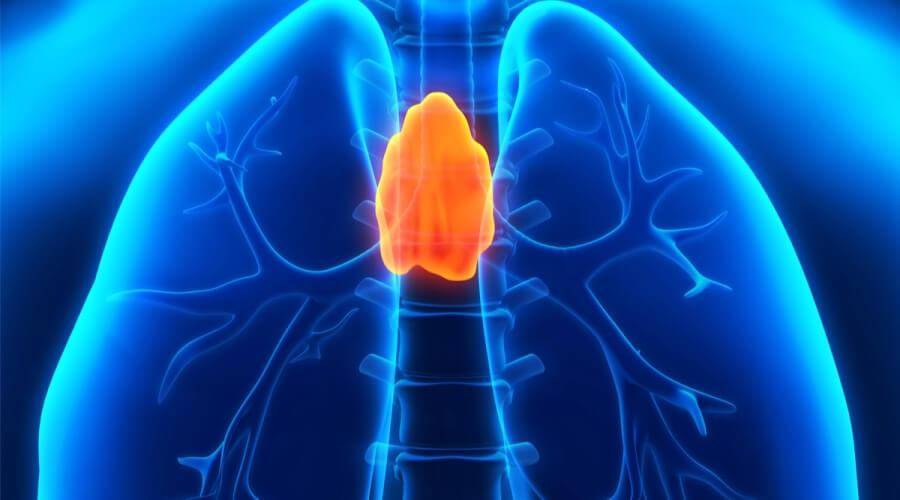
The thymus gland, also known as the thymus, is located in the chest behind the breastbone. It plays an important role in the development of the immune system, particularly during childhood.
As a person gets older, the size and function of the thymus change. However, certain medical conditions may affect the gland and require specialized investigations, and in some cases, surgical removal may be recommended.
Having a problem involving the thymus does not necessarily mean that surgery is required. The decision depends on the diagnosis, imaging studies, medical tests, and a comprehensive medical assessment.
When Is a Thymectomy Recommended?
A thymectomy may be considered as part of the treatment plan for several medical conditions, including:
-
Myasthenia Gravis in selected cases.
-
Thymic tumors.
-
A mass or abnormal changes in the thymus that require surgical intervention.
-
Other conditions in which thymus removal may be recommended as part of the treatment plan.
The decision varies from one patient to another, so the necessary investigations should be performed and their results discussed with the specialist before determining whether surgery is appropriate.
Symptoms and Conditions Associated with the Thymus
Symptoms vary depending on the type of thymus-related condition.
In some cases, the problem may be associated with symptoms of Myasthenia Gravis, such as muscle weakness or muscle fatigue. Thymic tumors, on the other hand, may sometimes be discovered during imaging studies or examinations of the chest.
For this reason, unusual symptoms or the discovery of a mass in the chest area require specialized medical evaluation rather than relying on symptoms alone to determine the diagnosis.
How Are Thymic Tumors Diagnosed?
Before considering a thymectomy in Mohandessin, the physician needs to determine the nature of the condition and assess its size, location, and extent.
The evaluation may include:
-
Medical examination and medical history.
-
Chest CT scan when necessary.
-
Appropriate laboratory tests.
-
Assessment of the size and nature of the mass or tumor.
-
Additional investigations depending on the patient's condition.
Based on the results, the physician can determine whether surgery is appropriate and select the surgical approach that best suits the patient's condition.
Modern Techniques for Thymectomy
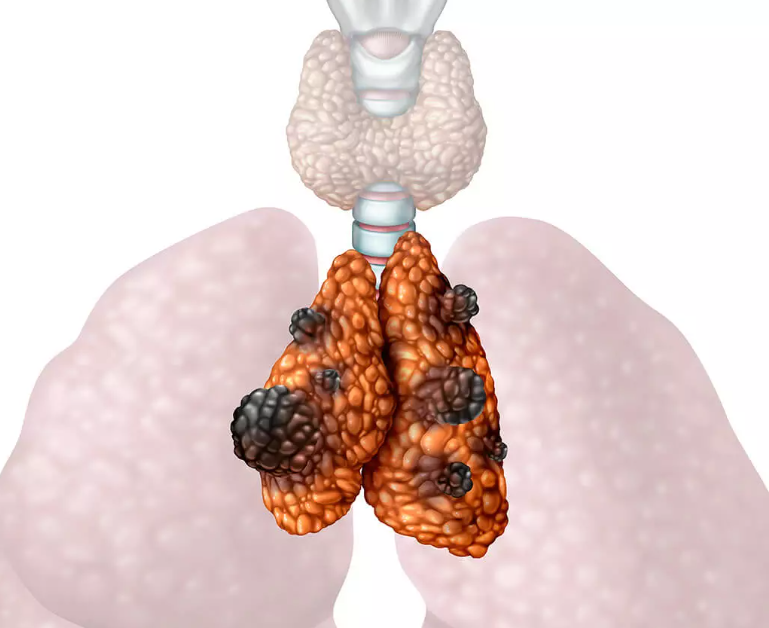
Thoracic surgery has undergone significant development in recent years, and several surgical approaches can now be considered for thymectomy. The choice of technique depends on the patient's condition, the characteristics of the thymus or tumor, and the available medical facilities.
Minimally Invasive Thymectomy
Video-assisted thoracic surgery and other minimally invasive approaches may be used for selected patients.
The procedure is performed through small incisions using a camera and specialized surgical instruments, allowing the surgeon to access the thymus and perform the procedure with less extensive surgical access.
Potential benefits of minimally invasive surgery in suitable cases may include:
-
Smaller surgical incisions.
-
Less postoperative pain in some patients.
-
Less noticeable surgical scars.
-
Potentially faster recovery.
-
Shorter hospital stays in selected cases.
However, whether minimally invasive surgery is appropriate can only be determined after reviewing the patient's condition, imaging results, and medical investigations.
Robotic Surgery for Thymectomy
Robotic surgery is one of the minimally invasive techniques used in thoracic surgery at specialized medical centers.
Robotic systems can provide the surgeon with precise control of surgical instruments and an enhanced view of the operative area. This approach may be appropriate for selected patients depending on the diagnosis and available facilities.
The decision to use robotic surgery, minimally invasive surgery, or open surgery remains a medical decision based on the specific details of each case.
When Is Open Surgery Used?
Despite advances in minimally invasive and endoscopic surgery, open surgery may be appropriate in certain cases, particularly when the tumor is large or when anatomical or medical factors make an open approach more suitable.
Therefore, the surgical technique cannot be determined before a comprehensive assessment of the patient's condition.
Thymectomy and Myasthenia Gravis
Myasthenia Gravis is associated with the thymus in some patients, and thymectomy may be included as part of the treatment plan in selected cases.
Myasthenia Gravis is a disorder that affects communication between nerves and muscles and may cause varying degrees of muscle weakness.
Patients require specialized medical evaluation to determine whether thymectomy is appropriate for their condition. The decision may depend on several factors, including age, general health, disease characteristics, and the presence of abnormalities in the thymus.
Thymic Tumor Removal
Thymic tumors may require surgical removal, depending on their type, size, location, and relationship with surrounding tissues.
In some cases, surgery may be part of a comprehensive treatment plan involving more than one medical specialty.
For this reason, a detailed medical assessment is important before determining the appropriate approach for thymic tumor removal and selecting the suitable surgical technique.
Thoracic Surgery and Endoscopic Techniques
Endoscopic surgery is not limited to thymectomy. It has also become an important technique in several types of thoracic procedures.
One of the procedures related to thoracic surgical expertise is:
Surgical Treatment of Excessive Hand Sweating Using Endoscopic Surgery
This is one of the procedures that may be performed using endoscopic techniques in selected cases. It is commonly known as endoscopic thoracic sympathectomy in appropriate patients.
These procedures demonstrate the development of minimally invasive thoracic surgery, which aims, when appropriate, to reduce the extent of surgical intervention and support a smoother recovery.
Thoracic Surgery Extends Beyond Thymectomy
Thoracic surgery covers a wide range of conditions that require specialized surgical assessment, including certain lung tumors.
Another related topic is:
Lung Tumor Removal Surgery in Giza
The surgical approach for lung tumors varies depending on the type, size, and location of the tumor, as well as the patient's general health. Treatment options may include open surgery or minimally invasive techniques when appropriate.
The thoracic surgeon determines the most suitable approach after reviewing imaging studies, medical tests, and the characteristics of the condition.
How Should You Prepare for Thymectomy?
Before surgery, the patient undergoes a comprehensive medical assessment to determine whether the procedure is appropriate and to develop a clear surgical plan.
Preparation may include:
-
Reviewing the patient's medical history.
-
Reviewing current medications.
-
Performing the required laboratory tests and imaging studies.
-
Assessing the patient's general health.
-
Determining the appropriate type of anesthesia.
-
Discussing the surgical procedure with the patient.
Patients should inform their doctor about all medications they take and any existing medical conditions before surgery, particularly if they have chronic conditions or use medications regularly.
Recovery After Thymectomy
Recovery time varies from one patient to another depending on the surgical technique, general health, and the condition being treated.
Recovery may be faster in some cases involving minimally invasive techniques, but the treating surgeon is best positioned to provide an expected recovery timeline based on the individual case.
After surgery, patients should follow their doctor's instructions regarding medications, physical activity, wound care, and follow-up appointments.
What Are the Potential Risks of Thymectomy?
Like any surgical procedure, thymectomy may involve potential risks and complications. These vary depending on the surgical approach and the patient's overall health.
The doctor should discuss the potential benefits and risks with the patient before surgery, while the necessary medical assessments help reduce the likelihood of complications.
No surgical technique can be considered completely free of risks. Therefore, proper preoperative assessment, selection of the appropriate surgical approach, and postoperative follow-up are important parts of