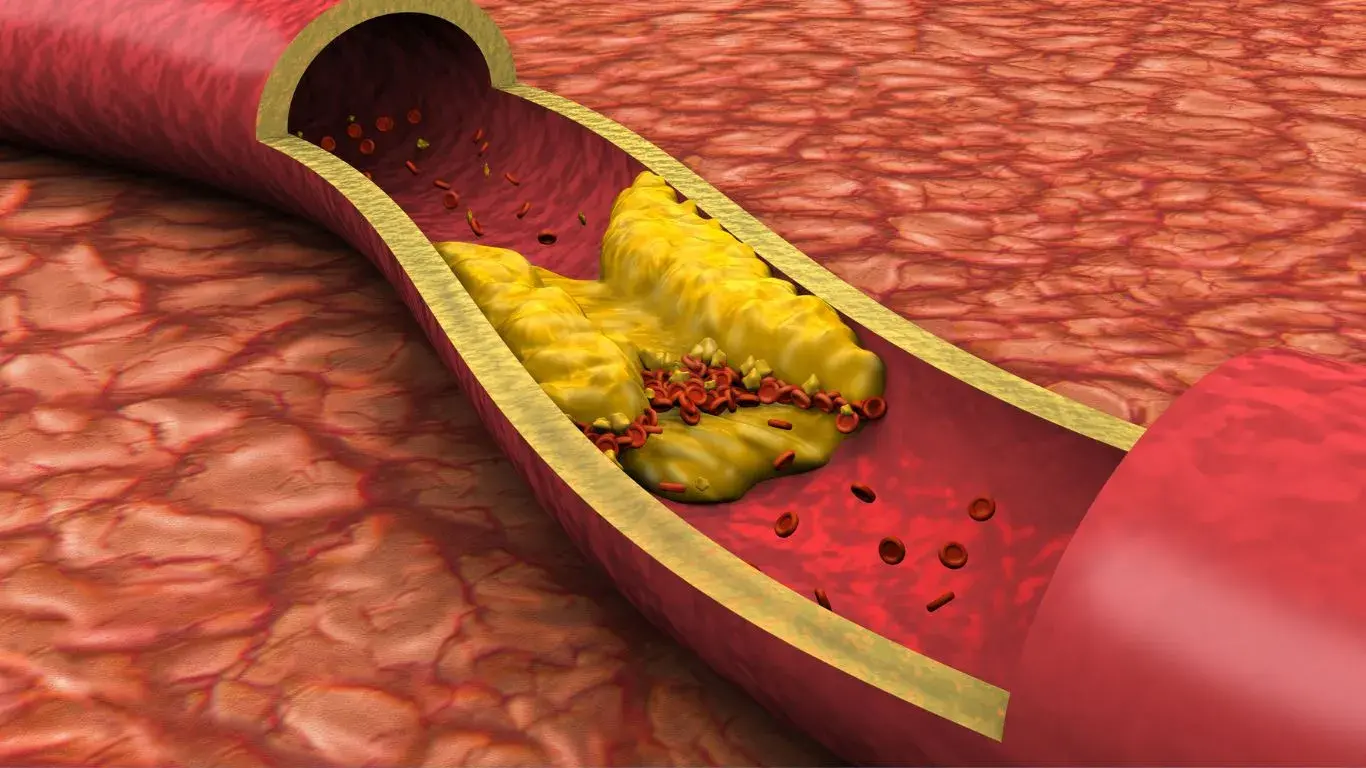

❤️ Coronary Artery Bypass Surgery in Mohandessin | CABG with Dr. Mahmoud El Degwy
Coronary Artery Bypass Grafting (CABG) is one of the major heart surgeries used to treat certain cases of coronary artery disease, particularly when the coronary arteries have multiple or complex narrowings or blockages, or when the heart team determines that surgery is likely to provide greater benefit than other treatment options.
Patients commonly use the term "coronary artery implantation", while the medically accurate term is Coronary Artery Bypass Grafting (CABG). During this procedure, a blood vessel from another part of the patient's body is used to create a new pathway for blood flow around a narrowed or blocked coronary artery.
Having a narrowing or blockage in the coronary arteries does not necessarily mean that every patient needs open-heart surgery. The choice of treatment depends on the location and severity of the blockage, the number of affected arteries, heart function, symptoms, overall health, and whether coronary angioplasty and stent placement are suitable options.
When the best method of coronary revascularization is not clear, modern guidelines recommend discussing the case through a multidisciplinary Heart Team, which may include an interventional cardiologist, cardiac surgeon, and other relevant specialists.
👨⚕️ Contact Information for Dr. Mahmoud El Degwy
Professor Dr. Mahmoud El Degwy Ahmed
Professor and Consultant of Cardiothoracic Surgery, Kasr Al Ainy Faculty of Medicine – Cairo University.
📞 Appointment & Contact: 01223822588
💬 WhatsApp: 01110691461
💳 Consultation Fee: EGP 600
⏰ Appointments: Evening appointments by prior booking and registration.
📍 Clinic Branches
Dokki Branch – B Care
45 Dokki Street, 4th Floor, above Farghaly Juices, next to Dokki Metro Station, Giza.
Maadi Branch
Al-Horreya Street, Western Basatin, Basatin District, Maadi, Cairo.
🫀 What Is Coronary Artery Bypass Surgery?
The term "coronary artery implantation" commonly refers to Coronary Artery Bypass Grafting (CABG).
During CABG, the cardiac surgeon uses a suitable blood vessel from another part of the patient's body, such as the internal mammary artery, radial artery, or an appropriate vein, to create a new pathway that allows blood to reach the heart muscle while bypassing the narrowed or blocked section of a coronary artery.
The purpose of bypass surgery is not to remove plaque from inside the coronary artery itself. Instead, the operation creates an alternative route for blood flow to the heart muscle.
The number of bypass grafts required depends on the number of affected coronary arteries, the location of the blockages, and the severity of the disease.
Open-Heart Surgery and Coronary Arteries
Open-heart surgery and coronary artery bypass grafting are important surgical interventions for selected cases of coronary artery disease. The decision to perform surgery is based on coronary anatomy, symptoms, heart function, and the patient's overall health.
🩺 When Does a Patient Need Coronary Artery Bypass Surgery?
Not everyone with a narrowed or blocked coronary artery requires bypass surgery.
The decision is made after a comprehensive assessment of the patient's condition. CABG may be an appropriate treatment option in certain situations, including:
-
Significant disease affecting the left main coronary artery.
-
Multivessel coronary artery disease, particularly when the anatomy is complex or makes PCI less suitable.
-
Certain cases involving three-vessel coronary artery disease.
-
Some patients with diabetes and multivessel coronary artery disease who are suitable candidates for surgery.
-
Persistent angina or myocardial ischemia despite appropriate medical treatment.
-
Cases in which angioplasty and stent placement are not considered the most suitable option because of anatomical or medical factors.
-
Certain cases in which surgery is considered more appropriate following Heart Team evaluation.
ACC/AHA/SCAI guidelines indicate that selected patients with left main coronary artery disease may benefit from surgical revascularization. In patients with multivessel disease, the choice between CABG and PCI depends on anatomical complexity, suitability of each procedure, and the patient's individual risk profile.
For patients with diabetes and multivessel coronary artery disease, CABG may be preferred over PCI in certain patients who are appropriate candidates for surgery, depending on their coronary anatomy and overall condition.
Therefore, the need for bypass surgery cannot be determined simply by counting the number of affected coronary arteries. The patient's entire clinical picture must be evaluated.
🔍 How Is Coronary Artery Disease Evaluated Before Surgery?
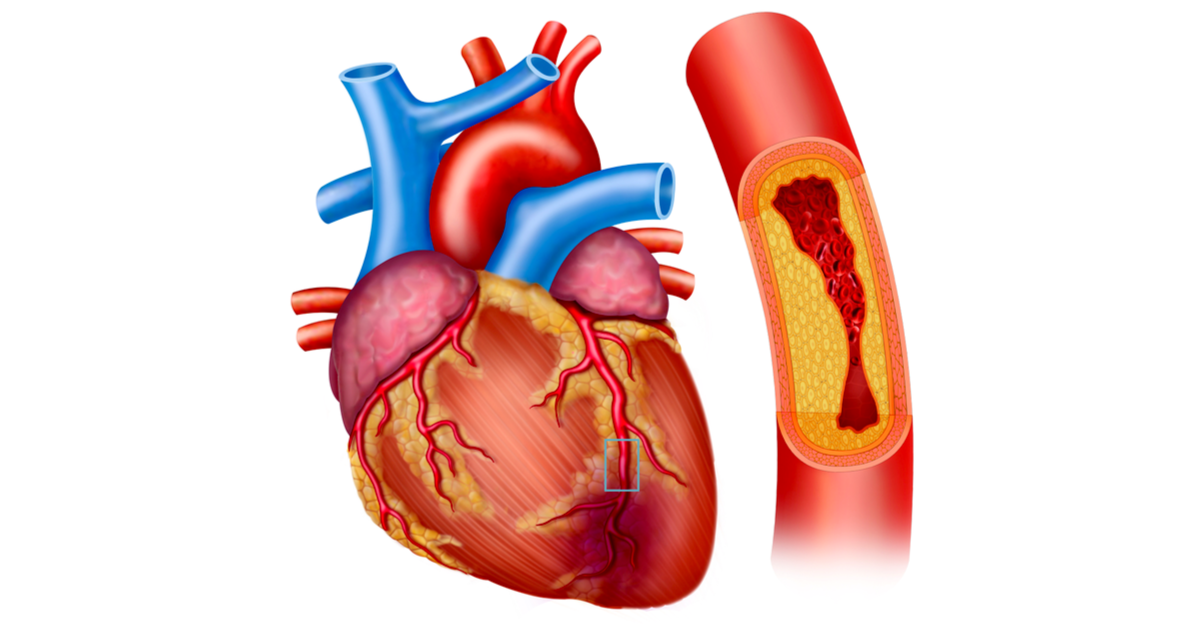
Before deciding to perform coronary artery bypass surgery, the doctor needs to assess the extent of coronary artery disease, the condition of the heart muscle, and the patient's overall health.
Depending on the patient's condition, the evaluation may include:
-
Medical history and physical examination.
-
Electrocardiogram (ECG).
-
Echocardiography.
-
Blood tests.
-
Stress testing or other tests to assess myocardial ischemia when necessary.
-
Coronary artery imaging.
-
Cardiac catheterization when detailed imaging of the coronary arteries is needed to determine the location and severity of blockages.
These findings help determine whether medical therapy, coronary angioplasty and stent placement, or coronary artery bypass surgery is the most appropriate treatment option.
In complex cases, several specialists may participate in the treatment decision through a Heart Team, taking into consideration the patient's preferences, treatment goals, and the potential risks and benefits of each option.
🏥 How Is Coronary Artery Bypass Surgery Performed?
The basic principle of CABG is to create a new pathway for blood flow that bypasses the narrowed or blocked portion of a coronary artery.
The blood vessels used for the bypass are selected according to the patient's condition and the location of the coronary arteries that require revascularization.
In conventional CABG, a heart-lung machine may be used to circulate and oxygenate the blood while the surgeon performs the operation.
There are also Off-Pump CABG techniques, also known as beating-heart surgery, in which the bypass grafts are performed while the heart continues to beat without using a heart-lung machine in selected cases.
The most appropriate surgical approach depends on the patient's condition, coronary anatomy, complexity of the disease, and the experience of the surgical team.
❤️ Beating-Heart Surgery for Coronary Artery Narrowing: Technique and Modern Outcomes
Beating-Heart Surgery for Treating Coronary Artery Narrowing: Technique and Latest Outcomes
Beating-heart surgery, or Off-Pump CABG, is one technique used to perform coronary artery bypass grafting. During this procedure, the bypasses are performed while the heart continues to beat, using specialized instruments and techniques to stabilize the area being operated on.
In contrast, conventional bypass surgery often uses a heart-lung machine during the procedure.
There is no single surgical technique that is suitable for every patient. The choice depends on coronary anatomy, the number of target vessels, heart function, overall health, and the experience of the surgical team.
Therefore, determining whether a patient is suitable for beating-heart surgery or conventional CABG with cardiopulmonary bypass requires an individualized medical assessment.
🩸 Which Blood Vessels Are Used for Coronary Bypass Grafts?
Cardiac surgeons may use different types of blood vessels to create coronary bypass grafts.
Common options include:
-
Internal mammary artery.
-
Radial artery.
-
Saphenous vein in selected cases.
The choice of blood vessel and its use in the bypass plan depend on coronary anatomy, the patient's medical condition, and the surgical strategy.
Modern revascularization guidelines support the use of the radial artery in selected bypass procedures, particularly as an additional arterial graft after the left anterior descending artery, because it may provide better long-term outcomes than some uses of saphenous vein grafts.
⚖️ What Is the Difference Between Angioplasty, Stents, and Coronary Bypass Surgery?
Percutaneous coronary intervention (PCI) and coronary artery bypass grafting (CABG) are two different approaches to restoring blood flow to the heart muscle. Each procedure may be more appropriate for certain patients and coronary anatomies.
Coronary Angioplasty and Stent Placement
A catheter is inserted into a blood vessel and guided to the coronary artery. The narrowed area can then be treated with balloon angioplasty and, when appropriate, a stent can be placed to help keep the artery open.
Coronary Artery Bypass Surgery
A new pathway for blood flow is created using a blood vessel from the patient's body to bypass the narrowed or blocked section of the coronary artery.
It is not accurate to say that angioplasty is always better than surgery, or that surgery is always better than angioplasty.
The decision depends on several factors, including:
-
The location of the blockage.
-
The number of affected coronary arteries.
-
The complexity of coronary artery disease.
-
Whether the left main coronary artery is affected.
-
The presence of diabetes.
-
Heart muscle function.
-
Overall health.
-
The expected risks and benefits of each procedure.
For this reason, some complex cases require discussion between a cardiologist and cardiac surgeon as part of a specialized Heart Team.
👨⚕️ Why Is Choosing the Right Cardiac Surgeon Important?
Coronary artery bypass surgery is a major operation that requires careful preoperative evaluation, a specialized surgical team during the procedure, and appropriate follow-up after surgery.
According to the professional information available about Professor Dr. Mahmoud El Degwy Ahmed, his areas of practice include:
-
Coronary artery surgery.
-
Open-heart surgery.
-
Heart valve repair and replacement.
-
Cardiothoracic surgery.
-
Surgery for congenital heart defects in children.
-
Thoracic surgery and interventional thoracoscopy.
-
Thoracoscopic removal of selected chest tumors.
The professional information provided about the doctor also indicates membership in the Royal College of Surgeons of England and the Egyptian Society of Cardiothoracic Surgery.
When publishing this information on the website, it is recommended to link it to the doctor's official profile or verified professional biography and avoid adding qualifications or titles that are not documented in the official source.
🛌 Recovery After Coronary Artery Bypass Surgery
Recovery time varies from one patient to another depending on age, general health, the type of surgery, the number of bypass grafts, and whether additional procedures or complications are involved.
After surgery, the patient usually requires a period of hospital monitoring followed by home recovery and regular medical follow-up.
According to information from the National Heart, Lung, and Blood Institute (NIH/NHLBI), hospital stays after CABG are often around one week, although the exact duration varies according to the patient's condition. Full recovery after conventional surgery may take approximately 6 to 12 weeks.
The doctor may recommend:
-
Taking prescribed medications as directed.
-
Proper wound care.
-
Gradual physical activity.
-
Following a heart-healthy diet.
-
Controlling blood pressure, diabetes, and cholesterol.
-
Stopping smoking.
-
Participating in a cardiac rehabilitation program when appropriate.
Cardiac rehabilitation is a medically supervised program that helps patients gradually regain physical activity, improve lifestyle habits, and reduce future cardiovascular risk factors.
⚠️ Is Coronary Artery Bypass Surgery Dangerous?
Like any major heart operation, coronary artery bypass surgery carries potential risks and complications.
The level of risk varies significantly from one patient to another and may be affected by age, general health, heart function, other medical conditions, and whether the surgery is planned or performed as an emergency.
Potential complications may include:
-
Irregular heart rhythms.
-
Bleeding.
-
Infection.
-
Blood clots or stroke.
-
Kidney problems.
-
Heart attack.
-
Lung or anesthesia-related complications.
-
The need for additional intervention in some cases.
The medical team evaluates the patient's individual risk before surgery and discusses the potential complications with the patient. Risk assessment is particularly important in emergency cases and in patients with conditions affecting the heart, lungs, kidneys, or other organs.
Therefore, it is not appropriate to provide one universal success rate or risk percentage for every CABG patient without evaluating the individual case.
🔄 Can Coronary Arteries Become Blocked Again After Bypass Surgery?
Bypass surgery creates new pathways for blood flow, but it does not eliminate the underlying causes of coronary artery disease.
Therefore, controlling cardiovascular risk factors remains important after surgery, including:
-
Smoking.
-
High blood pressure.
-
High cholesterol.
-
Diabetes.
-
Excess weight.
-
Physical inactivity.
A bypass graft may become narrowed or blocked over time. For this reason, continued medical follow-up is important, particularly if new symptoms develop.
🚨 When Should You Seek Emergency Medical Care?
If a patient develops severe chest pain or pressure, severe shortness of breath, or sudden symptoms that may indicate a heart attack, they should not wait to schedule a clinic appointment.
Emergency medical care should be sought immediately because some acute cardiac conditions require rapid intervention.
🫀 Best Cardiologist in Mohandessin | How Should You Choose the Right Doctor?
Best Cardiologist in Mohandessin | Dr. Mahmoud El Degwy, Consultant of Cardiothoracic Surgery
When searching for the best cardiologist in Mohandessin for coronary artery disease, it is better not to rely on the word "best" alone. Instead, patients should consider objective factors such as:
-
The doctor's specific specialty.
-
Experience in cardiothoracic surgery.
-
Experience in coronary artery bypass surgery.
-
The hospital or medical center where surgery is performed.
-
Availability of a multidisciplinary medical team.
-
The ability to discuss alternative treatment options.
-
Clear explanation of the potential risks and benefits of each treatment.
Some complex cases require collaboration between a cardiologist, cardiac surgeon, and other specialists to determine the most appropriate treatment plan.
👨⚕️ Coronary Artery Bypass Surgeon in Mohandessin
If you are searching for a coronary artery bypass surgeon in Mohandessin, the more medically accurate search terms are coronary artery bypass surgeon, CABG surgeon, or cardiac surgeon.
Professor Dr. Mahmoud El Degwy Ahmed provides consultations in cardiothoracic surgery, including coronary artery surgery, open-heart surgery, and heart valve repair and replacement, according to the professional information provided about him.
The need for CABG is determined after reviewing the patient's diagnostic tests and coronary angiography, assessing the nature of the blockages, heart function, and overall health.
📞 Appointment and Contact Details
Professor Dr. Mahmoud El Degwy Ahmed
Professor and Consultant of Cardiothoracic Surgery – Kasr Al Ainy Faculty of Medicine – Cairo University.
📞 Phone: 01223822588
💬 WhatsApp: 01110691461
✉️ Email: [email protected]
💳 Consultation Fee: EGP 600
⏰ Appointments: Evening appointments by prior booking and registration.
📍 Dokki Branch – B Care
45 Dokki Street, 4th Floor, above Farghaly Juices, next to Dokki Metro Station, Giza.
📍 Maadi Branch
Al-Horreya Street, Western Basatin, Basatin District, Maadi, Cairo.
❤️ Conclusion
Coronary Artery Bypass Grafting (CABG), sometimes commonly referred to by patients as "coronary artery implantation," is a form of coronary revascularization in which a new pathway for blood flow is created to bypass narrowed or blocked coronary arteries.
Not every patient with coronary artery narrowing or blockage requires bypass surgery. The decision depends on coronary anatomy, the number of affected vessels, disease severity, symptoms, heart function, associated medical conditions, the suitability of PCI, and the expected risks and benefits of each treatment option.
CABG may be performed using cardiopulmonary bypass or, in selected cases, using beating-heart techniques. The surgical team determines the most appropriate approach for each individual patient.
After surgery, recovery requires regular medical follow-up, adherence to prescribed medications, management of cardiovascular risk factors, and participation in cardiac rehabilitation when recommended.
Ultimately, individual medical evaluation remains the foundation for determining whether coronary artery bypass surgery is appropriate or whether medical therapy, angioplasty, or stent placement may be more suitable.
Medical Disclaimer: The information provided in this article is intended for general educational purposes only. It does not replace a clinical examination or professional medical advice. Patients should consult a qualified cardiologist or cardiac surgeon to determine the most appropriate treatment plan for their individual condition.
⚠️ Medical Disclaimer: The medical information provided in this article is for educational and informational purposes only. It is not a substitute for direct clinical examination or consultation with a qualified medical professional. Please consult your doctor to determine the appropriate treatment plan for your individual condition.