AI Breakthrough Enhances Diagnosis of Genetic Eye Disorders
Tokyo researchers have developed an AI-based system to automate sister chromatid exchange counting, improving diagnosis of Bloom syndrome and other DNA-related eye disorders.
Chromosomes carry the DNA blueprint essential for life. During cell division, sister chromatids are formed, which normally remain intact. DNA damage can trigger exchanges between sister chromatids, which may indicate serious genetic disorders such as Bloom syndrome, associated with higher cancer risk.
Traditionally, counting these exchanges relied on labor-intensive microscopic examination, dependent on specialist expertise. A research team from Tokyo Metropolitan University, led by Professors Kyoshi Nishikawa and Kan Okubo, developed an AI algorithm that identifies chromosomes, detects exchange sites, and counts them automatically, achieving 84.1% accuracy comparable to manual methods.
Automating Bloom Syndrome Diagnosis
This AI tool enables faster, more objective analysis of chromatid exchanges and paves the way for broader applications in genetic eye disorder diagnostics. The team continues to train the algorithm on larger datasets to further improve accuracy, potentially revolutionizing clinical assessments.

Regular health screening is one of the most important steps to maintain good health and detect diseases early. The essential medical checkups for every age help in preventing complications and ensuring a healthier life.
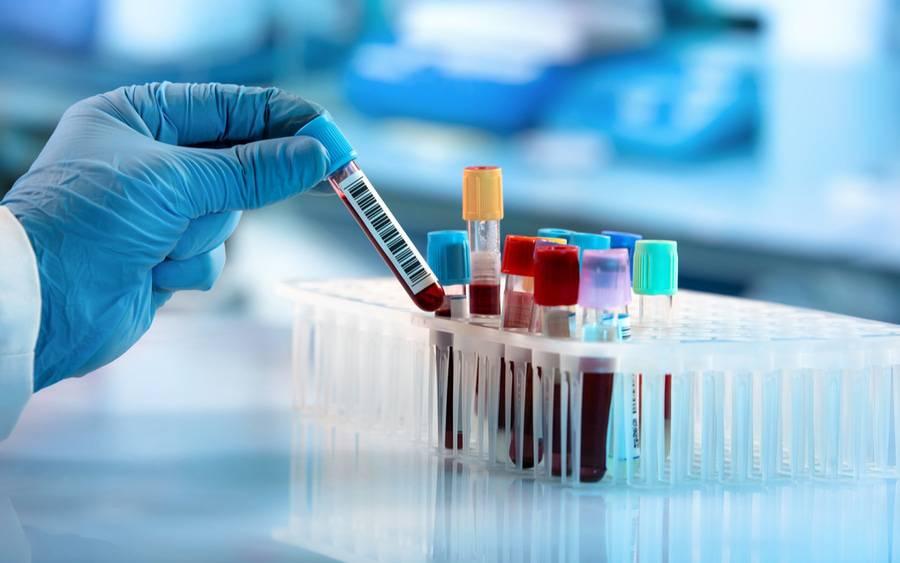
Many people, after doing medical tests, receive their results and immediately start looking at numbers and unfamiliar terms like (High – Low – Normal) without fully understanding what they actually mean.

When dealing with medical services, many people come across different titles for doctors such as “Specialist” and “Consultant”, which can sometimes create confusion about what each title actually means and how they differ from each other.

Choosing the right time to visit a doctor is not a random decision. It can directly affect how quickly a condition is diagnosed and how effective the treatment will be. Many people delay visiting a doctor or go at the wrong time, which may lead to worsening symptoms or delayed care.
