
🦷 Artificial Intelligence in Dentistry | Aurea Clinic in Shorouk City
Artificial Intelligence in Dentistry has become one of the modern technologies contributing to the development of diagnosis, treatment planning, and the overall patient experience. With the advancement of AI in Dentistry, it is now possible to use image, radiographic, and medical data analysis to help identify certain dental problems and evaluate cases more accurately. At Aurea Clinic in Shorouk City, keeping up with developments in oral medicine and orthodontics is combined with clinical examination and appropriate medical assessment for each individual case. This article explores the key applications of Artificial Intelligence in Dentistry, its role in diagnosis, orthodontics, and treatment planning, as well as the future of AI in Dentistry and its expected impact on dental care in the coming years.
Phone & WhatsApp: 01557766015
🦷 What Is Artificial Intelligence in Dentistry?
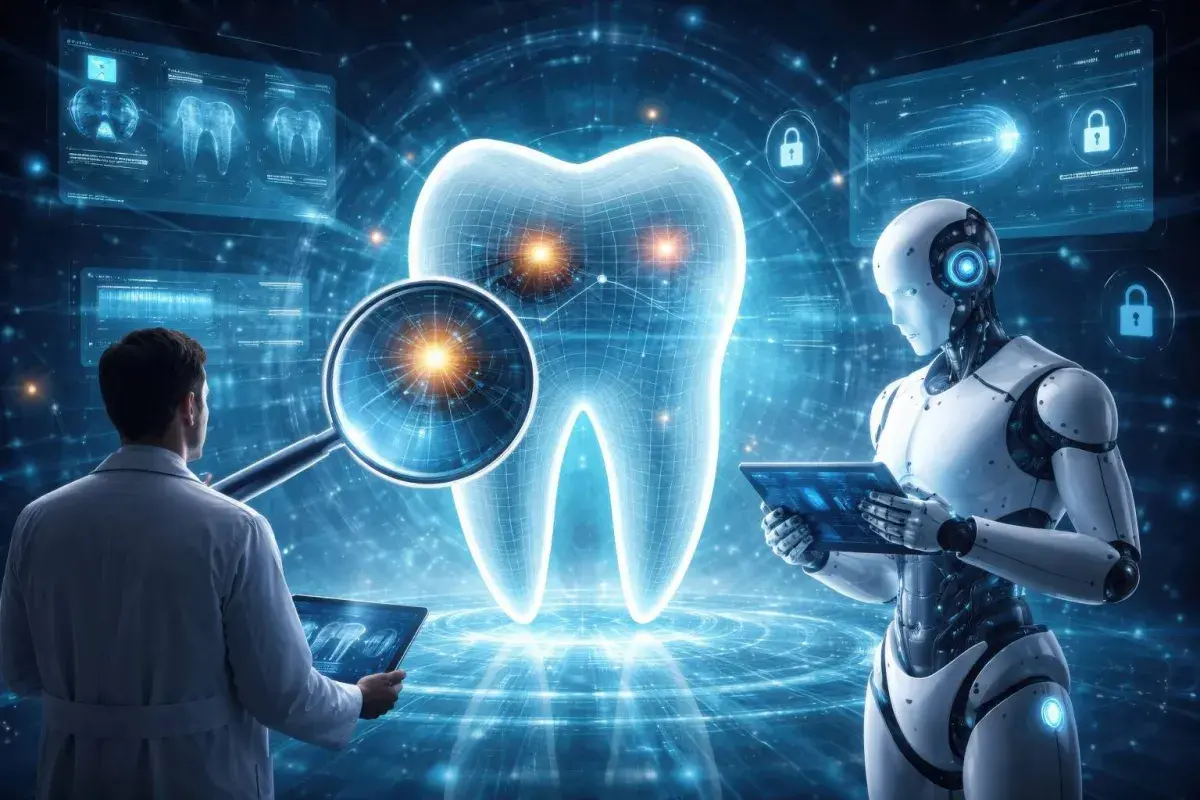
Artificial Intelligence in Dentistry refers to the use of computer technologies and algorithms to analyze data, images, and information related to oral and dental health. These technologies can assist dentists in certain stages of diagnosis, treatment planning, and follow-up.
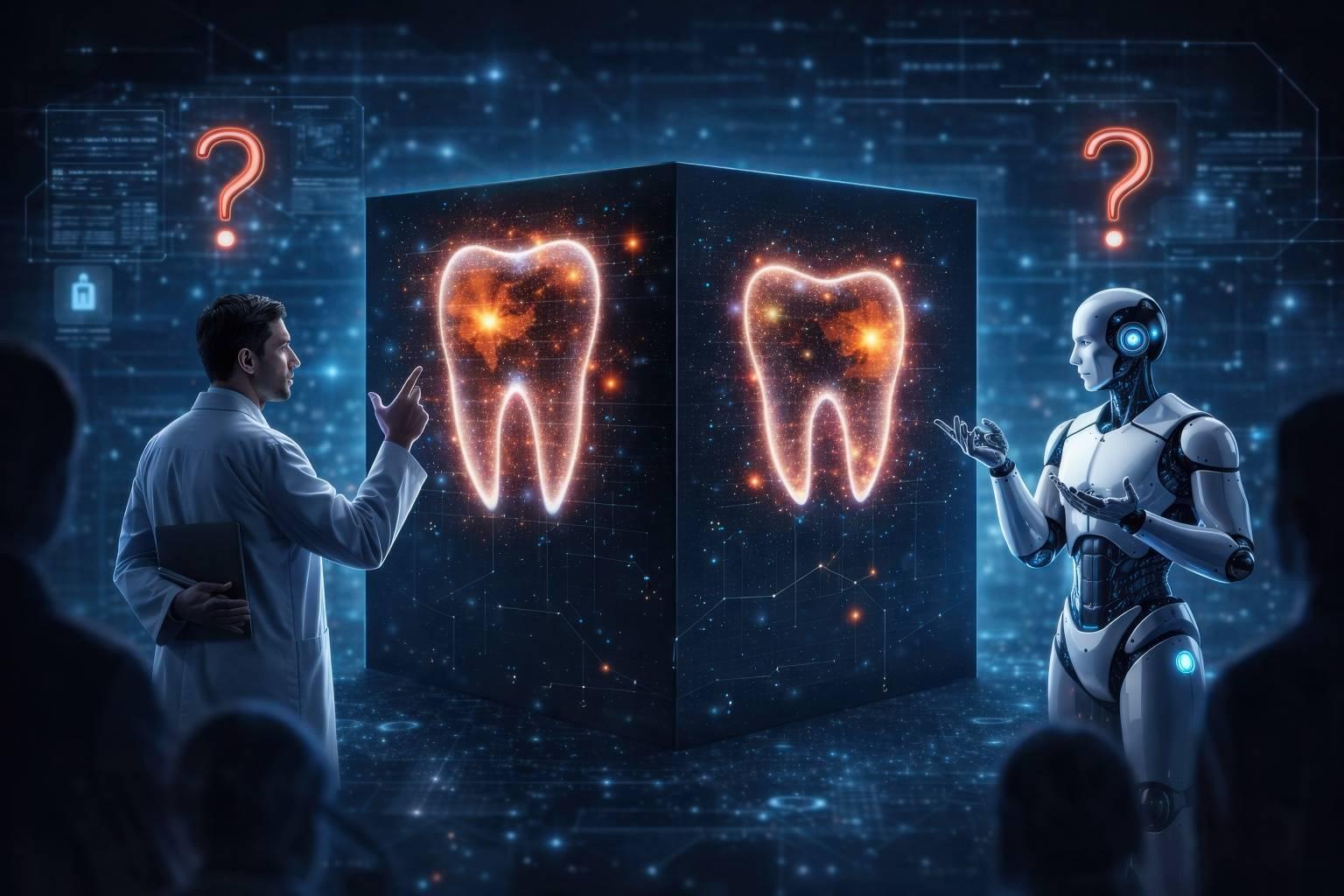
The use of artificial intelligence does not mean replacing the dentist. Instead, AI can serve as a supporting tool alongside clinical examination, medical expertise, radiographic findings, and other diagnostic tests.
AI in Dentistry is a continuously developing field, particularly with the increasing use of digital imaging, electronic medical records, and digital treatment planning technologies.
🔍 Key Applications of Artificial Intelligence in Dentistry
1. Dental Image and X-Ray Analysis
One of the most important applications of Artificial Intelligence in Dentistry is the analysis of digital dental images and X-rays to help identify certain signs associated with dental and jaw problems.
Modern technologies can analyze large numbers of images quickly and help highlight areas that may require further examination by a dentist.
The final medical decision, however, remains dependent on clinical examination and comprehensive case evaluation.
2. Supporting the Diagnosis of Dental Problems
Artificial intelligence algorithms can be used to help identify certain changes visible in dental images or X-rays, including some signs of dental decay, bone loss, or problems involving the teeth and surrounding tissues.
The value of these technologies lies in providing additional information that dentists can combine with the patient's medical history and clinical examination.
3. Artificial Intelligence and Orthodontics
Artificial Intelligence in Orthodontics is an important area within digital dentistry.
AI technologies and digital data analysis can help evaluate tooth alignment and occlusion and support treatment planning for certain orthodontic cases.
Artificial intelligence can also be integrated with digital planning tools to provide a clearer visualization of potential treatment stages, while the final treatment plan varies from one patient to another.
4. Digital Dental Treatment Planning
Digital treatment planning has become an important part of modern dentistry. With the use of artificial intelligence, multiple types of patient data can be analyzed to help organize information and support the treatment planning process.
This allows dentists to combine clinical examination results, images, X-rays, and digital data to develop a more comprehensive understanding of the patient's condition.
5. Improving Orthodontic Follow-Up
AI-powered digital tools may contribute to monitoring changes that occur during orthodontic treatment, particularly when images or digital data are available for comparison over time.
However, direct medical follow-up remains essential for evaluating occlusion, dental and gum health, and the patient's actual response to treatment.
🧠 What Are the Benefits of Artificial Intelligence in Dentistry?
When appropriately integrated into dental care, artificial intelligence can offer several potential benefits, including:
-
Supporting the analysis of dental images and X-rays.
-
Organizing and analyzing large amounts of data.
-
Helping identify certain changes that require medical evaluation.
-
Supporting digital treatment planning for certain dental procedures.
-
Helping monitor the progress of certain cases.
-
Improving the efficiency of certain digital procedures.
-
Providing additional tools that can support dentists in clinical decision-making.
The actual benefits vary from one technology to another and depend on the quality of the data, system accuracy, and how the technology is integrated into clinical practice.
👨⚕️ Artificial Intelligence Does Not Replace the Dentist
Despite the rapid development of AI Dentistry, the dentist remains responsible for evaluating the patient's condition and determining the appropriate treatment plan.
Artificial intelligence can analyze images and data according to the criteria for which it was designed, but it does not replace clinical examination, medical history, or direct communication with the patient.
Therefore, comprehensive dental care depends on combining modern technology, clinical expertise, and professional examination to develop an appropriate treatment plan for each case.
🦷 Artificial Intelligence and the Future of Dentistry
The future of Artificial Intelligence in Dentistry is moving toward greater use of digital data, imaging technologies, and automated analysis.
The use of artificial intelligence is expected to continue developing in areas such as:
-
Assisted diagnosis.
-
X-ray and image analysis.
-
Digital orthodontics.
-
Treatment plan design.
-
Remote case monitoring in certain applications.
-
Patient data analysis.
-
Improving workflow within dental clinics.
As these technologies continue to develop, it will be important to ensure system accuracy, protect patient data, and use artificial intelligence under appropriate medical supervision.
🌍 Artificial Intelligence in Dentistry in the Middle East
The dental sector continues to evolve through the use of digital technologies, and Artificial Intelligence in Dentistry in the Middle East is among the emerging trends that may influence the future of dental care.
The importance of these technologies is increasing alongside the wider use of digital imaging, electronic treatment planning, modern orthodontic technologies, and other data-driven tools.
However, the benefits and availability of artificial intelligence technologies vary depending on available resources, the type of technology, medical training, and regulations governing their use.
🏥 Aurea Clinic in Shorouk City
Aurea Clinic provides specialized services in Oral Medicine and Orthodontics in Shorouk City, with a focus on clinical diagnosis and evaluating the condition of the teeth, gums, and occlusion before developing a treatment plan.
The medical team includes:
👨⚕️ Dr. Abdullah Abdel Hady
Oral Medicine and Orthodontics Specialist, with a focus on orthodontic case follow-up, evaluation of occlusion and jaw alignment, and developing appropriate treatment plans for individual cases.
👨⚕️ Dr. Mohamed Abdel Hady
A dentist on the medical team who contributes to providing clinical care and treatment follow-up at the clinic.
📍 Aurea Clinic Address in Shorouk City
Clinic 209 – Mall A
The Edge Mall – 2nd Floor – Shorouk City 1 – Cairo Governorate
The clinic welcomes patients daily from 1 PM to 10 PM. Booking in advance is recommended to confirm the appointment.
📞 Contact Aurea Clinic
Phone & WhatsApp: 01557766015
Email: [email protected]
🦷 Why Is Artificial Intelligence Becoming Important in Dentistry?
The development of dentistry is no longer limited to traditional tools. Digital transformation has become an important part of the future of dental care. Artificial Intelligence in Dentistry can help develop methods for analyzing data and images while supporting treatment planning and follow-up.
As research and technology continue to advance, the use of Artificial Intelligence in Dentistry may become more widespread in areas such as assisted diagnosis, orthodontics, digital treatment planning, and image analysis, while the dentist remains essential for evaluating the patient's condition and making treatment decisions.
📌 Conclusion
Artificial Intelligence in Dentistry represents an important direction in the development of modern dental care through applications in X-ray analysis, assisted diagnosis, orthodontics, digital treatment planning, and case monitoring. However, technology remains a supporting tool for dentists and does not replace clinical examination or professional expertise.
At Aurea Clinic in Shorouk City, patients can access Oral Medicine and Orthodontic services through a treatment approach that begins with appropriate assessment and diagnosis for each individual case.