Lentils and Other Foods That Keep You Feeling Full in Winter
Experts highlight the top winter foods that enhance feelings of fullness, reduce overeating during cold months, and explain their impact on hormones and appetite regulation.
During winter, many people experience increased hunger and cravings, especially for warm and comforting meals, which can lead to weight gain if portion control is not observed. Nutrition experts note that the main reasons for increased appetite in winter are not just lower temperatures but also shorter daylight hours, biological clock disruptions, and minor hormonal changes.
Timothy Fry, a nutritional neuroscience expert and president of the National Academy of Nutritional Neuroscience in Florida, explained that reduced sunlight exposure affects the body’s biological clock, directly influencing appetite and encouraging larger food intake.
To manage appetite effectively, experts recommend consuming foods that promote fullness, including:
-
Oats, lentils, and beans: High in fiber and protein, they create a lasting feeling of satiety.
-
Vegetables like broccoli: Fiber- and water-rich, they fill the stomach without adding many calories.
-
Fruits such as apples and chia seeds: Help slow digestion and regulate hunger.
Foods rich in omega-3 fatty acids, like salmon and walnuts, help regulate appetite by improving gut-brain communication. Dark chocolate with at least 70% cocoa can also enhance satiety by slowing digestion and stimulating natural satiety hormones.
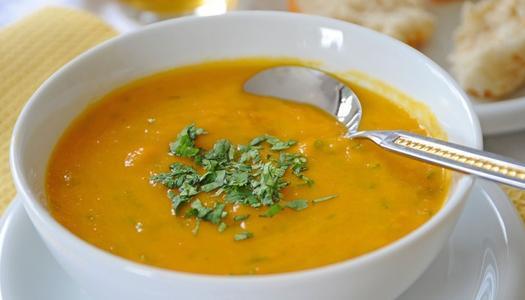
Starting winter meals with dishes like vegetable soups or salads with legumes can help reduce overall intake, maintain a healthy weight, and still provide warmth and comfort.

Regular health screening is one of the most important steps to maintain good health and detect diseases early. The essential medical checkups for every age help in preventing complications and ensuring a healthier life.

Many people, after doing medical tests, receive their results and immediately start looking at numbers and unfamiliar terms like (High – Low – Normal) without fully understanding what they actually mean.

When dealing with medical services, many people come across different titles for doctors such as “Specialist” and “Consultant”, which can sometimes create confusion about what each title actually means and how they differ from each other.

Choosing the right time to visit a doctor is not a random decision. It can directly affect how quickly a condition is diagnosed and how effective the treatment will be. Many people delay visiting a doctor or go at the wrong time, which may lead to worsening symptoms or delayed care.
