Thyroid Nodule Treatment in Faisal | Advanced Diagnosis & Surgical Care with Prof. Ahmed Yousry Awad
Have you discovered a thyroid nodule during an ultrasound or noticed swelling in your neck? Learn about the causes, symptoms, diagnosis, and the latest treatment options for thyroid nodules, including when surgery is necessary, with Prof. Ahmed Yousry Awad.
By: Dr. Ahmed Youssry Awad
Thyroid Nodule Treatment in Faisal | Learn About the Causes, Symptoms, and the Latest Non-Surgical Treatment Options and When Surgery Becomes Necessary with Prof. Ahmed Yousry Awad
Have you noticed a small lump in your neck or been told after a thyroid ultrasound that you have a thyroid nodule? It's natural to feel worried and ask yourself: Is this nodule dangerous? Will I need surgery, or can it be treated without an operation?
Thyroid nodule treatment clinics in Faisal are among the most searched healthcare services, as more patients seek accurate diagnosis and personalized treatment plans tailored to their individual condition.
❗ The Problem: Discovering a thyroid nodule can be stressful because many patients immediately worry about thyroid cancer or the need for complete thyroid removal.
👉 The Solution: Effective treatment begins with a precise diagnosis through a clinical examination, thyroid ultrasound, and thyroid function tests. Based on the results, the most appropriate treatment is selected, whether regular follow-up, medication, or surgery only when medically necessary.
🏥 Prof. Ahmed Yousry Awad – Professor of Thyroid Enlargement and Thyroid Surgery provides specialized thyroid care at Plaza Medical Tower – Faisal, offering individualized treatment plans while avoiding unnecessary surgery whenever possible.
What Are Thyroid Nodules?
Thyroid nodules are abnormal lumps that develop within the thyroid gland. They may occur as a single nodule or multiple nodules and can be either solid or fluid-filled. In most cases, these nodules are benign and do not pose a serious health risk. However, some require careful evaluation to rule out thyroid cancer or other conditions that may require medical treatment.
Choosing the appropriate treatment depends on several factors, including the size, type, and characteristics of the thyroid nodule, as well as its impact on thyroid function. If diagnostic tests indicate that surgery is the most suitable option, you can learn more about thyroid surgery procedures, including surgical indications, available techniques, and the latest advances in thyroid surgery.
What Causes Thyroid Nodules?
Several factors can contribute to the development of thyroid nodules, including:
- Thyroid enlargement (goiter).
- Iodine deficiency.
- Thyroid cysts.
- Chronic thyroid inflammation.
- Benign thyroid tumors.
- In rare cases, thyroid cancer.
For this reason, the size of the nodule alone is not enough to determine whether it is dangerous. A comprehensive medical evaluation is always necessary.
Symptoms of Thyroid Nodules 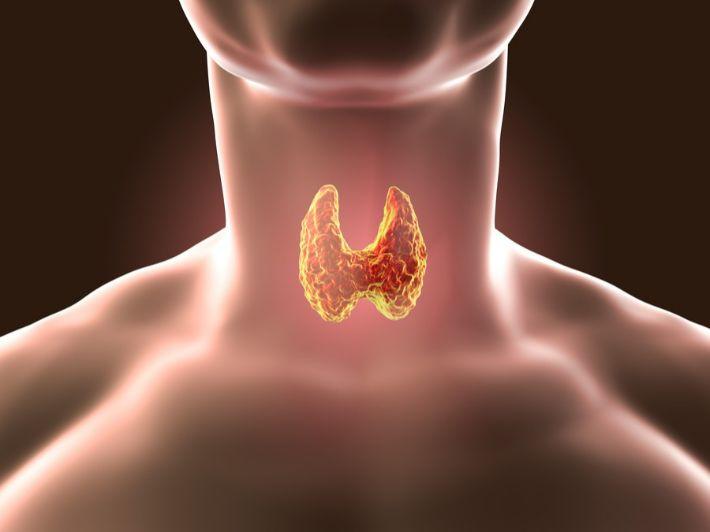
Many thyroid nodules do not cause noticeable symptoms and are discovered incidentally during an ultrasound examination. However, some patients may experience:
- Swelling in the front of the neck.
- A noticeable lump when swallowing.
- Difficulty swallowing or breathing.
- Hoarseness or changes in the voice.
- A feeling of pressure in the neck.
- Symptoms of an overactive or underactive thyroid gland in certain cases.
When Are Thyroid Nodules Considered Serious?
Most thyroid nodules are harmless, but you should consult a thyroid specialist promptly if you experience any of the following:
- Rapid enlargement of the thyroid nodule.
- Severe difficulty breathing.
- Persistent hoarseness.
- A family history of thyroid cancer.
- Abnormal ultrasound or biopsy results.
How Are Thyroid Nodules Diagnosed?
Accurate diagnosis is the cornerstone of successful thyroid nodule treatment. It helps determine whether the nodule is benign or requires further investigation and enables the physician to develop the most appropriate treatment plan for each patient. The diagnostic process typically includes the following:
Clinical Examination
The physician performs a comprehensive physical examination to assess the size of the thyroid gland, evaluate the nodule, and determine whether it is affecting surrounding structures or causing symptoms.
Thyroid Function Tests
Laboratory tests are performed to evaluate thyroid hormone levels and determine whether the gland is functioning normally. These tests include:
- TSH
- Free T3
- Free T4
These results help determine whether the thyroid is overactive, underactive, or functioning normally.
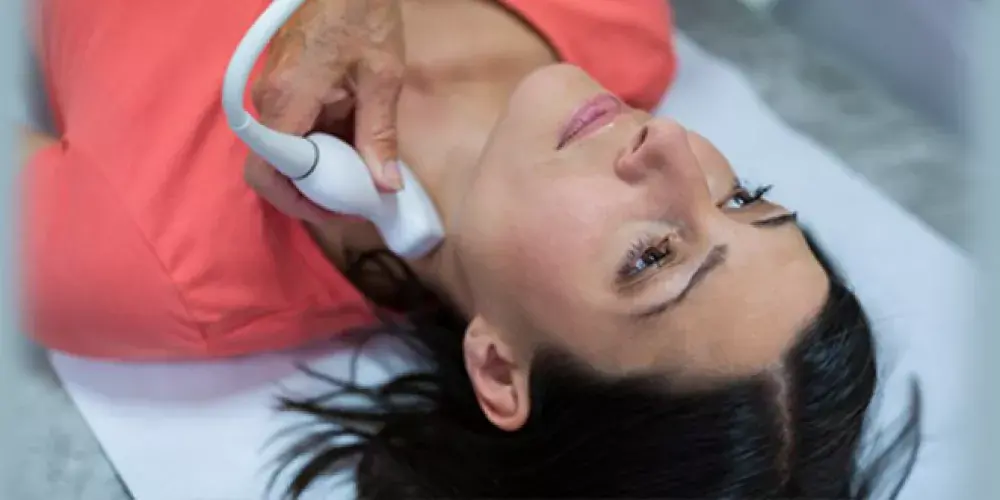
Thyroid Ultrasound
A thyroid ultrasound is one of the most important diagnostic tools because it provides detailed information about the thyroid gland and any nodules present. It helps determine:
- The size of the nodule.
- The number of nodules.
- Whether the nodule is solid, cystic, or mixed.
- Features that may require a fine-needle aspiration biopsy (FNA).
Fine-Needle Aspiration (FNA) Biopsy
If ultrasound findings indicate suspicious features, the physician may recommend a fine-needle aspiration (FNA) biopsy. This minimally invasive procedure collects a small sample of cells from the thyroid nodule to determine whether it is benign or malignant and to guide the most appropriate treatment approach.
Non-Surgical Treatment for Thyroid Nodules
Not all thyroid nodules require surgery. In many cases, non-surgical management is the most appropriate option, particularly when the nodule is:
- Small in size.
- Benign.
- Not causing symptoms.
- Not affecting thyroid function.
Patients are usually monitored through regular follow-up appointments, thyroid ultrasounds, and thyroid function tests to ensure the nodule remains stable and does not increase in size or develop suspicious changes.
When Is Surgery Necessary for Thyroid Nodules?
Surgical treatment may be recommended in certain situations, including:
- Confirmed thyroid cancer.
- Suspicion of malignancy based on biopsy or ultrasound findings.
- A significantly enlarged thyroid nodule.
- Compression of the windpipe (trachea) or esophagus.
- Difficulty swallowing or breathing.
- Recurrent thyroid cysts after repeated aspiration.
The decision to perform surgery is always based on a comprehensive medical evaluation, including clinical examination, imaging studies, laboratory tests, and biopsy results when necessary. Every patient receives an individualized treatment plan designed to achieve the safest and most effective outcome.
Types of Thyroid Surgery
The type of surgery depends on the patient's diagnosis and overall condition. Common thyroid procedures include:
- Partial thyroidectomy.
- Thyroid lobectomy (removal of one thyroid lobe).
- Total thyroidectomy.
- Surgery for thyroid tumors and thyroid cancer.
Modern thyroid surgery aims to preserve the recurrent laryngeal nerves responsible for normal voice function, as well as the parathyroid glands that regulate calcium levels, helping reduce the risk of postoperative complications and promote a faster recovery.
Why Is Early Diagnosis Important?
Early detection of thyroid nodules provides several important benefits, including:
- Reducing the risk of complications.
- Avoiding unnecessary surgery whenever possible.
- Preserving normal thyroid function.
- Providing reassurance through accurate diagnosis.
- Developing the most appropriate treatment plan at an early stage.
Prompt evaluation by an experienced thyroid specialist ensures timely diagnosis and allows treatment to begin before the condition progresses, resulting in better outcomes and improved quality of life.
Medical Services
Prof. Ahmed Yousry Awad provides comprehensive medical care for patients with thyroid disorders, offering advanced diagnostic services, individualized treatment plans, and long-term follow-up to ensure the best possible outcomes.
Thyroid Disease Diagnosis
- Comprehensive clinical examination.
- Thyroid ultrasound.
- Evaluation of thyroid nodules.
- Thyroid function tests.
- Assessment of the risk of benign or malignant thyroid disease.
Non-Surgical Treatment
- Follow-up for benign thyroid nodules.
- Treatment of thyroid enlargement (goiter).
- Management of thyroid hormone disorders.
- Regular monitoring of stable thyroid conditions.
Surgical Treatment
- Total thyroidectomy.
- Partial thyroidectomy.
- Thyroid cancer surgery.
- Removal of thyroid nodules.
- Advanced surgical techniques to preserve the vocal cord nerves and parathyroid glands.
Postoperative Follow-Up
- Monitoring thyroid hormone levels.
- Adjusting thyroid hormone replacement therapy.
- Assessing wound healing and recovery.
- Long-term follow-up after thyroid surgery.
Why Choose Our Clinic?
Choosing Prof. Ahmed Yousry Awad means receiving specialized thyroid care focused on accurate diagnosis, evidence-based treatment, and personalized patient management.
- Accurate diagnosis using advanced diagnostic techniques.
- Extensive academic and clinical experience in thyroid surgery.
- Personalized treatment plans tailored to every patient.
- Avoiding unnecessary surgery whenever medically appropriate.
- Continuous follow-up before and
Learn about the causes and symptoms of heart muscle weakness, as well as methods of diagnosis and follow-up with Dr. Mohamed Othman, a cardiologist on 9th Street in Mokattam.
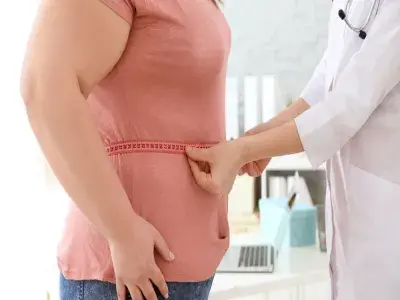
Local fat accumulation may require an integrated plan combining medical nutrition, physical activity, modern fat-reduction techniques, and skin tightening according to each individual case.
Learn about orthodontic treatment, when braces may be needed, the differences between metal, ceramic, and clear aligners, treatment duration, follow-up, and retention with Dr. Mahmoud Warad in Nasr City.
Discover dental implant, zircon restoration, and veneer services at Nour Al-Islam Center for Dentistry, Implants & Orthodontics in New Borg El Arab, with professional evaluation of teeth and gums to determine the most suitable option for each patient.
