Cruciate ligament treatment in Tahrir.
Tahrir centers offer advanced medical and surgical techniques along with physical rehabilitation to ensure complete and fast recovery of ACL injuries, enabling patients to regain daily activity.
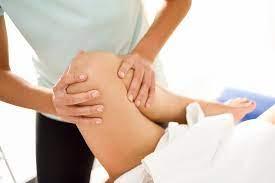
The causes of ACL injury are diverse and include sudden movements during sports such as football or basketball, rapid pivoting, and accidental knee twists that often occur during daily activities, combined with individual anatomical factors that make some people more prone to partial or complete tears. Age-related changes also reduce ligament flexibility and increase the likelihood of injury, and in some cases, ACL injuries are accompanied by secondary damage to meniscal cartilage or surrounding tendons, making early diagnosis and a comprehensive treatment plan essential to minimize complications and ensure a safe and timely recovery while restoring natural knee function.
Types of Anterior Cruciate Ligament Injuries
ACL injuries can be classified as partial tears, where part of the ligament remains intact and allows limited movement but causes instability, or complete tears, which result in loss of knee stability and difficulty moving, sometimes accompanied by injuries to the meniscus or surrounding tendons. The type and severity of the tear directly influence the recovery duration and the design of a personalized treatment plan by the physician.
Detailed Medical Diagnosis
Diagnosis begins with a precise clinical assessment of knee mobility, surrounding muscle strength, and advanced stability tests such as Lachman and Pivot Shift to determine the extent of joint instability. This is followed by standard X-rays to detect any fractures or bone deformities that could affect treatment, then MRI scans to determine the degree of ligament tear and assess the condition of cartilage and surrounding tendons. Additionally, devices such as the KT-1000 are used to measure knee stability and range of motion accurately, enabling the design of a personalized treatment program tailored to the patient’s physical activity level and ensuring safe and effective knee function recovery.
Modern Surgical Treatment
Surgical treatment relies primarily on arthroscopic knee reconstruction, which provides clear, detailed visualization of the joint while minimizing damage to surrounding tissues compared to traditional open surgery. Modern grafts, whether autografts from the patient or synthetic grafts, are used to restore stability and natural movement. Innovative techniques, such as stem cell therapy, can accelerate tissue healing and reduce recovery time. The surgery usually lasts between one to two hours, with the patient admitted for one or more days depending on the case, followed by careful post-operative monitoring to ensure tissue healing and knee stability, while gradually implementing a rehabilitation program to avoid complications.
Advanced Natural Rehabilitation
Rehabilitation is essential for successful recovery, beginning just a few days after surgery and including intensive sessions three to five times a week. The program progresses from gentle mobility exercises to flexibility and strength training for surrounding muscles such as the quadriceps and hamstrings, with special focus on balance and coordination exercises to prevent future injuries. Weekly follow-ups with a physiotherapist ensure the exercises’ intensity matches the patient’s response, while adherence to daily home exercises strengthens muscles, reduces pain, and gradually restores confidence in natural movement.
Daily Prevention and Recovery
Daily prevention and recovery play a critical role in restoring full knee function. Maintaining a healthy weight reduces stress on the joint, avoiding high-impact sports until full strength is regained protects the knee, and using a knee brace during daily or sports activities provides additional support. A balanced diet rich in proteins, vitamins, and essential minerals supports the healing of muscles and cartilage, ensuring the knee returns to its natural function while minimizing future injury risks and facilitating a safe return to previous activity levels.
Key Advice for Athletes and Patients
It is crucial that returning to sports and competitions is gradual and occurs only after completing an intensive rehabilitation program and regaining full strength and flexibility in the knee, as premature return increases the risk of re-tear. Rehabilitation programs must be personalized based on the patient’s activity level and knee condition. Regular follow-ups with orthopedic specialists and physiotherapists are essential to ensure safe, effective outcomes, with a focus on restoring optimal knee stability and performance before resuming high-intensity exercises or competitive sports.

Regular health screening is one of the most important steps to maintain good health and detect diseases early. The essential medical checkups for every age help in preventing complications and ensuring a healthier life.
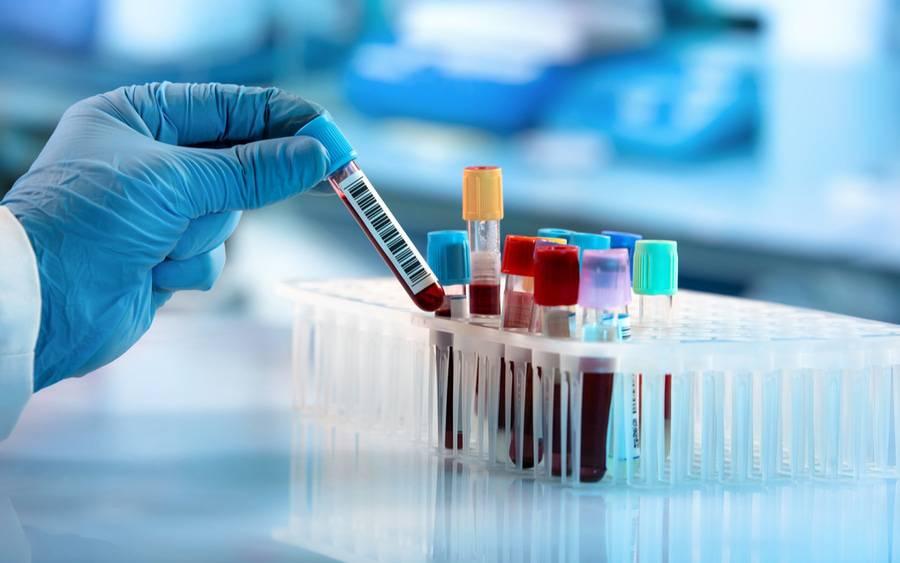
Many people, after doing medical tests, receive their results and immediately start looking at numbers and unfamiliar terms like (High – Low – Normal) without fully understanding what they actually mean.

When dealing with medical services, many people come across different titles for doctors such as “Specialist” and “Consultant”, which can sometimes create confusion about what each title actually means and how they differ from each other.

Choosing the right time to visit a doctor is not a random decision. It can directly affect how quickly a condition is diagnosed and how effective the treatment will be. Many people delay visiting a doctor or go at the wrong time, which may lead to worsening symptoms or delayed care.
