
Cerebral Palsy in Children: The Role of Physiotherapy in Improving Mobility and Rehabilitation in Helwan
Some children may experience difficulties with movement, muscle control, or balance. These signs may be associated with cerebral palsy, a condition that requires specialized assessment and a rehabilitation plan tailored to each child's needs. Physiotherapy for cerebral palsy in children can help develop motor skills, improve body control, and support children's ability to perform daily activities according to their individual abilities. Al Salam Physiotherapy Center for Children with Special Needs and Weight Management in Helwan provides pediatric rehabilitation services, with an emphasis on individualized treatment plans and professional follow-up.
📍 Contact Al Salam Physiotherapy Center in Helwan
- Center Name: Al Salam Physiotherapy Center for Children with Special Needs and Weight Management.
- Medical Supervisor: Dr. Mansour Youssef Abdullah, Physiotherapy Consultant.
- Address: 70 Mohamed Sayed Ahmed Street, at the intersection with Rail Street, opposite Al Nasr Sports Center, above El Sharkawy Restaurant, next to New Helwan Police Station, Helwan, Cairo, Egypt.
- Phone: 01001179993
- Alternative Phone: 01279983248
- Center Profile: Al Salam Center on MisrConnect
Contact the center to ask about pediatric rehabilitation services, assessment appointments, and the options available for your child's individual needs.
🧠 What Is Cerebral Palsy in Children?
Cerebral palsy is a group of disorders that affect movement, muscle control, and body posture. It results from an injury to or abnormal development of the brain during early stages of life. The condition varies from child to child. Some children experience mild motor difficulties, while others may have greater challenges with walking, balance, hand use, and everyday activities.
A diagnosis of cerebral palsy does not mean that every child will experience the same symptoms. Motor abilities depend on the nature of the brain injury, the areas affected, and any associated conditions.
Some children may also need support with communication, feeding, or learning, while others primarily require help developing movement skills and independence. An individualized assessment is therefore essential for establishing appropriate rehabilitation goals.
🔎 What Are the Signs of Cerebral Palsy in Children?
The signs of cerebral palsy vary according to the child's age, the type of movement disorder, and its severity. Parents may notice some of the following signs during development:
- Delayed development of motor milestones, such as sitting, crawling, or standing.
- Muscle stiffness or increased resistance to movement.
- Low muscle tone or difficulty controlling the head and trunk.
- Difficulty maintaining balance or coordinating movements.
- A clear preference for using one hand earlier than expected for the child's age.
- Difficulty walking or walking on tiptoes in some children.
- Unusual body or limb positions.
The presence of one sign does not necessarily indicate cerebral palsy, as these symptoms can have other causes. If parents notice significant delays in motor development, they should consult a pediatrician or a specialist in child development for an appropriate assessment.
🩺 How Does Physiotherapy Help Children with Cerebral Palsy?
Physiotherapy is an important component of rehabilitation for children with cerebral palsy. It focuses on developing motor skills and improving the ability to perform daily activities while taking each child's abilities and needs into account.
A physiotherapist assesses movement, muscle strength, joint flexibility, balance, and postural control before setting individualized goals. The rehabilitation plan may include the following activities:
1. Improving Head and Trunk Control
Some children need exercises that help them control their head and trunk, maintain a sitting position, and improve stability when changing positions. Activities are selected according to the child's abilities and level of participation.
2. Developing Basic Motor Skills
Rehabilitation sessions may include practicing rolling, sitting, moving between positions, and standing. Walking practice may also be included for children who are able to participate. The order of these goals depends on the child's functional assessment and developmental stage.
3. Improving Balance and Coordination
Appropriate therapeutic activities can help children practice weight shifting, body control, and movement coordination. These skills may support participation in play and everyday activities.
4. Maintaining Joint Flexibility
Some forms of cerebral palsy may cause increased muscle stiffness or restricted joint movement. A physiotherapist may recommend appropriate range-of-motion and stretching exercises, while monitoring for muscle contractures or other problems that require further medical assessment.
5. Supporting Independence in Daily Activities
Rehabilitation is not limited to exercises performed during sessions. It may also include guidance for families on helping children sit, move between positions, move around, and play safely according to their abilities.
👶 How Is a Cerebral Palsy Rehabilitation Plan Developed?
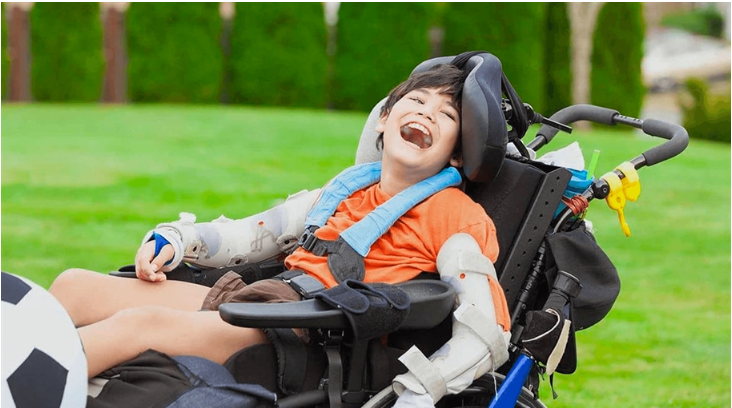
There is no single rehabilitation plan suitable for every child with cerebral palsy. The choice of exercises, number of sessions, and session duration depends on the child's age, motor abilities, degree of muscle stiffness or spasticity, and participation in daily activities.
Rehabilitation usually begins with an assessment of the child's needs and the development of realistic, measurable goals. These may include improving balance, sitting ability, transitions between positions, or more effective use of the limbs.
Depending on the child's needs, care may involve collaboration between physiotherapy, pediatrics, rehabilitation medicine, occupational therapy, and speech and language therapy. Some children may also need an assessment for mobility aids or orthoses if recommended by their healthcare team.
Regular follow-up helps the team review progress and adjust the program when necessary. Any home exercises should be clearly explained and safe for the family to perform. Painful or forced movements should be avoided unless specifically directed by a qualified professional.
🏥 Special Needs Rehabilitation at Al Salam Center in Helwan
Al Salam Physiotherapy Center for Children with Special Needs and Weight Management provides physiotherapy and rehabilitation services for children, in addition to services for adults and older people. According to the information provided by the center, medical supervision is led by Dr. Mansour Youssef Abdullah, a physiotherapy consultant and Head of the Physiotherapy Department at Mabaret Al Maadi Hospital.
When asking about cerebral palsy rehabilitation for children in Helwan, families are encouraged to inquire about the initial assessment, the type of sessions appropriate for the child's age, how progress is monitored, and whether the services required for the child's condition are available.
The rehabilitation program should be appropriate for the child's diagnosis and current motor abilities. Goals should be established in collaboration with the family, with referrals to other specialists when necessary.
⭐ Why Is Regular Follow-Up Important During Physiotherapy?
Rehabilitation requires patience and consistency because motor development varies from one child to another. Progress may be gradual, such as improved trunk control or the ability to perform a movement with less assistance.
Regular follow-up helps assess progress toward established goals and identify difficulties that may require changes to the exercises or additional evaluation. Family participation in appropriate home activities may also support the rehabilitation program.
A specific level of improvement or timeframe cannot be guaranteed before assessing the child. Outcomes depend on several factors, including the nature of the brain injury, associated needs, and the suitability of the rehabilitation plan.
❓ Frequently Asked Questions About Cerebral Palsy in Children
Can Physiotherapy Cure Cerebral Palsy in Children?
Physiotherapy can help improve motor skills and functional abilities and may support greater independence in certain activities. However, it does not remove the underlying brain injury that causes cerebral palsy. Expected progress depends on the child's condition and rehabilitation goals.
When Should Physiotherapy Begin?
A child should be assessed early if there are concerns about delayed motor development or after a cerebral palsy diagnosis. Early intervention helps identify needs and establish appropriate rehabilitation goals without waiting for all symptoms to appear.
How Many Physiotherapy Sessions Does a Child Need?
The number and duration of sessions vary according to the child's age, motor abilities, and rehabilitation goals. A qualified professional determines the appropriate schedule after assessment and reviews the child's response over time.
Can Exercises Be Performed at Home?
A physiotherapist may recommend simple, safe home activities to support the goals of treatment sessions and explain how to perform them. Families should avoid unsuitable exercises or forcing the child into painful movements.
Where Is Al Salam Physiotherapy Center Located in Helwan?
The center is located at 70 Mohamed Sayed Ahmed Street, at the intersection with Rail Street, opposite Al Nasr Sports Center, above El Sharkawy Restaurant, next to New Helwan Police Station, Helwan. Families can inquire about appointments and pediatric rehabilitation services by calling 01001179993 or 01279983248.
📞 Contact Al Salam Center About Your Child's Rehabilitation in Helwan
If your child experiences difficulties with movement or balance, or delays in acquiring motor skills, the first step is to obtain a professional assessment to identify individual needs and establish appropriate rehabilitation goals.
Contact Al Salam Physiotherapy Center for Children with Special Needs and Weight Management in Helwan to ask about pediatric rehabilitation services, assessment appointments, and suitable options for your child's condition.
Contact Numbers:
Address: 70 Mohamed Sayed Ahmed Street, at the intersection with Rail Street, opposite Al Nasr Sports Center, above El Sharkawy Restaurant, next to New Helwan Police Station, Helwan, Cairo, Egypt.
Visit Al Salam Center on MisrConnect
Medical disclaimer: This article is for general informational purposes only and does not replace professional medical assessment or an individualized rehabilitation plan.