
Alecensa 150 mg — Alectinib for Lung Cancer and How to Use It
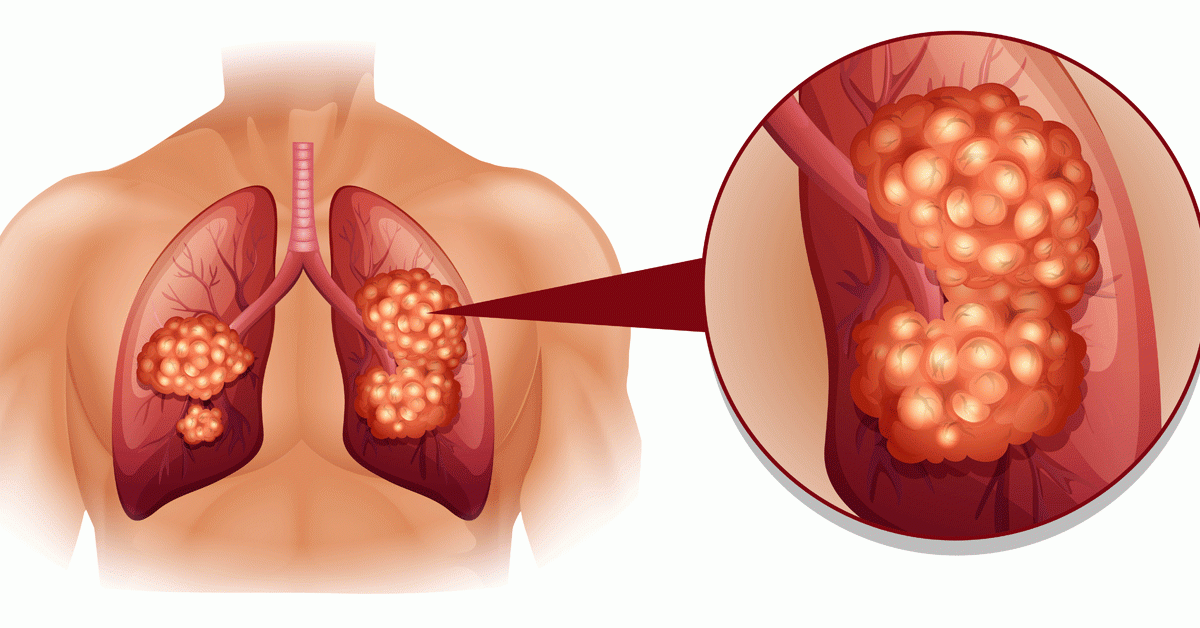
Alecensa 150 mg contains the active ingredient alectinib and is a targeted prescription medicine used to treat certain cases of ALK-positive non-small cell lung cancer (NSCLC). Its use requires an accurate diagnosis and testing to confirm the presence of ALK, along with ongoing medical monitoring.
Through the Biological Medicines Supply and Integrated Care Group, patients can inquire about medicine availability and delivery procedures in Egypt and selected Arab countries. For inquiries in Egypt, contact 01003540816 from 2 PM to 10 PM. Consultation hours for the service in Sudan, Saudi Arabia, the UAE, and Yemen are from 10 AM to 10 PM.
What Is Alecensa 150 mg?
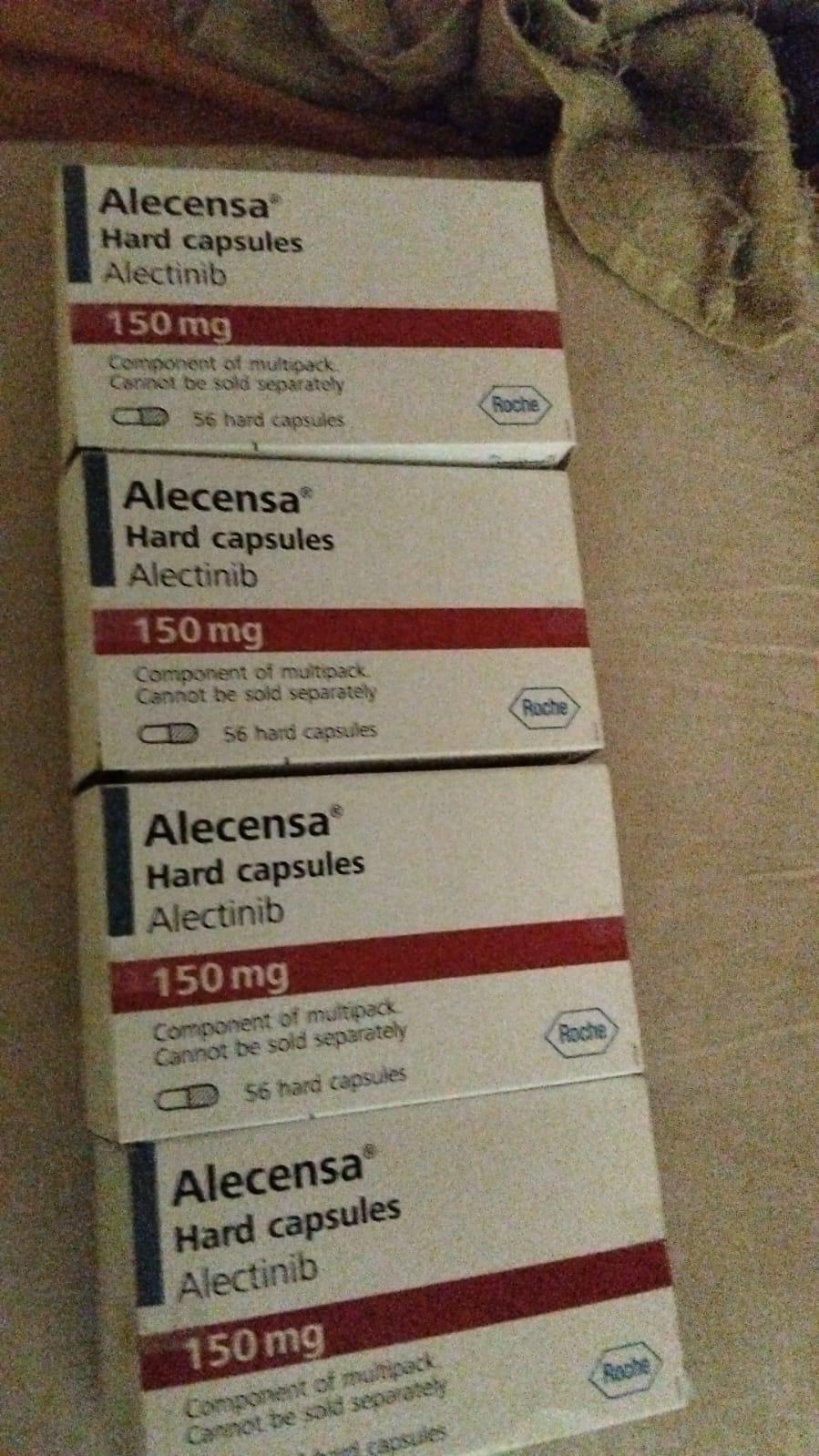
Alecensa 150 mg is a prescription medicine containing the active ingredient alectinib, which belongs to a class of medicines known as kinase inhibitors.
The medicine targets signaling associated with abnormal ALK protein activity. Therefore, it is used for patients whose non-small cell lung cancer has been confirmed as ALK-positive through an appropriate approved test.
According to the official prescribing information, Alecensa is used in two main situations in adults:
- As adjuvant treatment after surgical removal of the tumor in certain cases of ALK-positive NSCLC, to help reduce the risk of the cancer returning.
- To treat ALK-positive NSCLC when the cancer has spread to other parts of the body.
What Is the Active Ingredient in Alecensa?
The active ingredient is alectinib, and each capsule contains 150 mg of the active ingredient.
Alecensa is available as 150 mg capsules, which are taken according to the dosage prescribed by the treating physician.
What Is the Usual Alecensa 150 mg Dose?
According to the official prescribing information, the recommended adult dosage is:
600 mg twice daily with food.
Because each capsule contains 150 mg of alectinib, this recommended dose corresponds to four 150 mg capsules per dose, taken twice daily, for a total of 1200 mg per day.
However, this is the dosage stated in the prescribing information and is not individualized medical advice. The physician may reduce the dose, temporarily interrupt treatment, or permanently discontinue treatment depending on the patient's condition, side effects, liver and kidney function, and other medical factors.
How Should Alecensa 150 mg Be Taken?
Alecensa should be taken exactly as prescribed by the treating physician.
The official patient information states that:
- Alecensa is taken twice a day.
- It should be taken with food.
- Capsules should be swallowed whole.
- The capsules should not be opened or dissolved.
- The dose should not be changed and treatment should not be stopped without consulting the physician.
What Should You Do If You Miss an Alecensa Dose?
If you miss a dose of Alecensa, do not take the missed dose. Take the next dose at the regular scheduled time.
If you vomit after taking a dose, do not take an additional dose. Take the next dose at the regular scheduled time.
Important Warnings and Precautions When Using Alecensa
Alecensa can cause serious side effects in some patients, which is why medical monitoring and regular testing are important during treatment.
The official prescribing information includes the following important warnings:
Liver Problems
Alecensa can cause liver problems that may be serious. Liver function tests are therefore performed regularly during treatment.
Signs that require prompt medical attention include severe tiredness, decreased appetite, yellowing of the skin or whites of the eyes, dark urine, itching, nausea or vomiting, or pain on the right side of the abdomen.
Lung Problems
Alecensa can cause lung inflammation or swelling that may be serious.
Patients should contact their healthcare provider immediately if they develop new or worsening symptoms such as difficulty breathing, shortness of breath, cough, or fever.
Slow Heartbeat
Alecensa can cause a slow heart rate.
Heart rate and blood pressure are monitored during treatment. Patients should inform their doctor if they experience dizziness, lightheadedness, or fainting. They should also tell their doctor about any heart or blood pressure medicines they take.
Muscle Pain and Increased CPK
Severe muscle pain, tenderness, or weakness may occur, and Alecensa can increase levels of an enzyme called CPK, which may indicate muscle injury.
Patients should report unexplained or persistent muscle pain, tenderness, or weakness to their healthcare provider.
Kidney Problems
Alecensa can cause serious kidney problems in some patients.
Patients should contact their healthcare provider if they notice changes in the amount or color of urine or new or worsening swelling in the legs or feet.
Hemolytic Anemia
Hemolytic anemia can occur in some patients. Medical advice should be sought if yellowing of the skin, weakness, dizziness, or shortness of breath develops.
Increased Triglycerides
Alecensa can cause a severe increase in triglyceride levels in some patients, which may be associated with pancreatitis.
Patients should seek medical advice if they develop upper abdominal pain, nausea, vomiting, bloating, or fever.
What Are the Common Side Effects of Alecensa?
The most common side effects listed in the official information include:
- Constipation.
- Tiredness.
- Swelling of the hands, feet, ankles, face, or eyelids.
- Rash.
- Cough.
These are not all possible side effects. Any new or unusual symptoms during treatment should be discussed with the treating physician.
Alecensa, Pregnancy, and Breastfeeding
Alecensa can cause fetal harm, so patients who are pregnant or planning to become pregnant should inform their healthcare provider.
According to the official patient information, females who are able to become pregnant should use effective contraception during treatment and for 5 weeks after the last dose. Males with female partners who are able to become pregnant should use effective contraception during treatment and for 3 months after the last dose.
Breastfeeding should not be performed during treatment and for 1 week after the last dose, according to the official patient information.
Can You Be Exposed to Sunlight While Taking Alecensa?
Alecensa may increase skin sensitivity to sunlight. The official patient information recommends avoiding sunlight as much as possible during treatment and for at least 7 days after stopping the medicine, while using sun-protection measures, including sunscreen with an SPF of 50 or higher.
How Should Alecensa 150 mg Be Stored?
Alecensa capsules should be:
- Stored at a temperature not exceeding 30°C (86°F).
- Kept in the original container.
- Kept dry and away from light.
- Kept out of the reach of children.
Why Is It Important to Obtain Alecensa From a Reliable Source?
Alecensa is used for specific types of lung cancer and should not be purchased or used without a prescription and appropriate medical supervision.
Patients should also verify the source of the medicine, the condition of the packaging, and proper storage. Any package with an unclear or unreliable source should not be used.
The Biological Medicines Supply and Integrated Care Group provides inquiries regarding Alecensa availability and delivery procedures according to the available service areas.
Alecensa 150 mg Availability in Egypt and the Arab World
Egypt
Coverage across all Egyptian governorates
Direct hand-to-hand delivery to the patient
Under certified medical supervision
🕘 Working Hours: 2 PM to 10 PM
Sudan and the Arab World
Service is available in:
Sudan – Saudi Arabia – United Arab Emirates – Yemen
🕙 Consultation Hours: 10 AM to 10 PM
Availability and delivery procedures may vary depending on the country and location.
Important Medical Disclaimer
This article is intended for educational and informational purposes and does not replace consultation with an oncologist or pharmacist. Do not start Alecensa, stop it, or change its dose on your own. The medicine should only be used when prescribed by a physician after confirming that it is appropriate for the patient's condition and the required genetic indication.