
👁️ Ophthalmology & Eye Surgery 2026
An Interactive Medical Guide to Understanding the Eye From the Inside… and Why You May Lose Your Vision Without Realizing
🧭 Imagine This Scenario…
You wake up in the morning and notice that your vision is not the same as yesterday.
Distant objects look blurry, and light suddenly feels more irritating than usual.
You tell yourself:
“Maybe just fatigue… maybe too much phone screen time.”
But medically, the truth may be very different:
👁️ Your eyes could already be sending early warning signals of a condition that needs immediate attention.
This is where the specialty of Ophthalmology (Eye Medicine and Surgery) comes in.
🧠 What is Ophthalmology in a Simple Way?
Ophthalmology is not just about “eye exams” or “prescription glasses.”
It is a highly specialized medical field that deals with:
- The internal eye lens
- The retina and optic nerve
- Eye pressure and internal fluids
- The cornea and light refraction
- The visual pathways in the brain
📌 Simply put:
It is the specialty that protects the “human biological camera” from damage.
🔬 Why Ophthalmology is One of the Most Important Medical Specialties
Because the eye cannot be replaced.
Any damage to:
- The retina
- The optic nerve
- The visual center of the brain
❗ is often permanent if not detected early.
That is why ophthalmology is based on a critical principle:
“Early detection = Vision preservation”
👁️ How Does the Eye Work? (Simple Explanation)
Think of the eye as a professional camera:
- Cornea = front lens
- Crystalline lens = focus system
- Retina = sensor
- Optic nerve = cable transmitting images to the brain
📌 Any defect in any part = blurred vision or vision loss
⚠️ Early Signs of Eye Problems People Ignore
Here are the most common early warning signs:
1. Frequent headaches without clear cause
May indicate eye strain or undiagnosed vision problems
2. Sudden blurred vision
Especially while reading or using a phone
3. Light sensitivity
Can indicate corneal or lens issues
4. Halos around lights
May suggest increased eye pressure
5. Rapid eye fatigue
Especially during computer work
🧬 Eye Diseases (A Different Classification Approach)
Instead of defining diseases traditionally, we classify them by severity:
🔴 First: Diseases That Threaten Vision Directly
👁️ Glaucoma (The Silent Thief of Sight)
A silent disease… often without early symptoms
📌 Main risk:
Progressive damage to the optic nerve
📌 Problem:
Patients notice it only after losing part of their vision
👁️ Diabetic Retinopathy
Occurs in diabetic patients
📌 How it starts:
Small blood leakage inside the retina
📌 Outcome:
Gradual vision loss that may lead to blindness
🟠 Second: Conditions Affecting Quality of Life
👁️ Cataract
Not dangerous initially but causes:
- Blurred vision
- Poor night vision
- Difficulty driving at night
📌 Only treatment: safe surgical removal
👁️ Astigmatism
A condition where images appear distorted or tilted
📌 Not dangerous, but very disturbing
🟢 Third: Common and Easily Treatable Conditions
- Myopia (nearsightedness)
- Hyperopia (farsightedness)
- Dry eyes
- Blepharitis
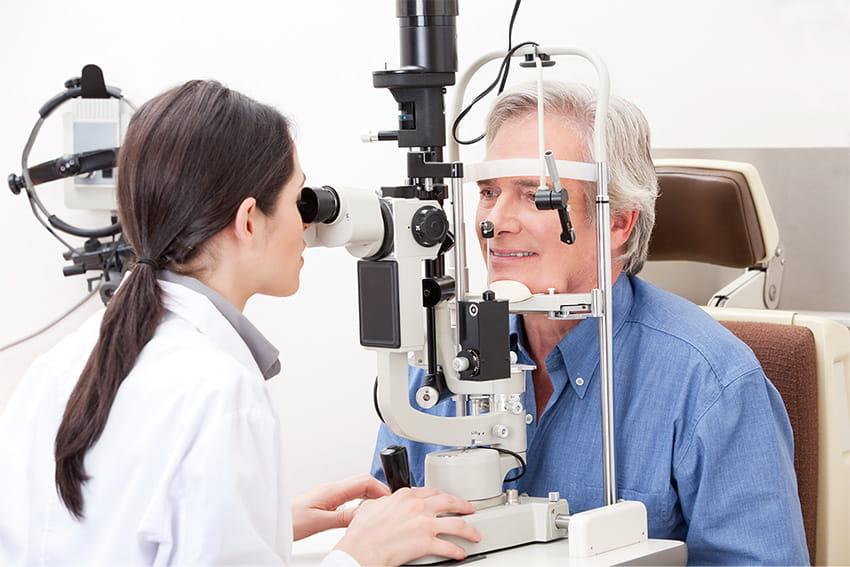
🧪 What Does an Ophthalmologist Do in the First Visit?
Many people think it’s just reading letters on a chart.
But a real eye examination includes:
1. Full vision analysis
Not just eyesight, but visual clarity and accuracy
2. Eye pressure measurement
To detect glaucoma early
3. Fundus examination
To inspect retina and optic nerve
4. Refraction test
To identify the real cause of blurred vision
📊 Most Searched Topics on Google (SEO Insight)
- Treatment of weak vision without surgery
- Best eye doctor
- Causes of blurred vision
- Does glasses improve eyesight?
- Dry eye treatment
- Cataract in elderly patients
👁️ How Eye Diseases Progress Silently… and Why Glasses Are Not Always the Solution
🧭 Imagine This Again…
A person starts wearing glasses for the first time.
They feel much better… clearer vision… relief.
But after 6 months, they say:
“My glasses don’t feel as good anymore… my vision is getting worse again.”
So the medical question is:
❗ Is vision actually getting worse?
Or is there a deeper condition progressing silently?
🧠 Medical Truth: The Eye Doesn’t “Get Tired”… It “Changes”
In ophthalmology, we understand one key fact:
👁️ Most vision problems are not static
They are gradual internal changes, such as:
- Corneal shape changes
- Increase in eyeball length
- Subtle internal pressure changes
- Retinal alterations over time
🔬 How Eye Diseases Progress Without Pain
One of the most dangerous aspects of ophthalmology:
❗ Many eye diseases are painless in early stages
This leads to late diagnosis.
👁️ Example 1: Glaucoma
- Slight increase in eye pressure
- No pain
- No redness
- Normal vision initially
Then suddenly:
📉 Progressive loss of peripheral vision
📌 Damage is irreversible
👁️ Example 2: Diabetic Retinopathy
- No symptoms at first
- Small dark spots
- Occasional blurred vision
- Internal bleeding later
📌 Often diagnosed too late
👁️ Example 3: Myopia in Young People
- Starts mildly
- Progresses with screen use and study
- Can reach high severity
📌 Not dangerous, but needs monitoring
📉 Do Glasses Treat Poor Vision?
❓ Do glasses improve eyesight?
Medical answer:
❌ No
✔️ Glasses do NOT treat the cause
✔️ They only correct vision
📌 In other words:
Glasses = image correction
But not disease treatment
👓 When Are Glasses Enough?
- Mild to moderate myopia
- Mild hyperopia
- Stable astigmatism
- No retinal or optic nerve disease
⚠️ When Glasses Are NOT Enough?
- Rapid vision deterioration
- Persistent headaches despite glasses
- Unexplained blurriness
- Diabetes or hypertension history
- Light halos
📌 Requires full eye examination
🔥 Ophthalmology Advances in 2026
Modern eye care now includes:
🖥️ OCT Imaging
Ultra-detailed retinal imaging
Detects disease before symptoms appear
Used for:
- Early glaucoma detection
- Retinal diseases
- Macular disorders
⚡ Advanced Laser Vision Correction
Now includes:
- LASIK
- Femto LASIK
- SMILE Pro
📌 Benefits: faster recovery, higher precision, less pain
🧬 Artificial Intelligence in Eye Diagnosis
Used for:
- Retinal image analysis
- Early disease detection
- Predicting disease progression
👁️ Why Do Some People Feel Their Vision Is Getting Worse Despite Glasses?
Common reasons:
- Frequent prescription changes
- Digital eye strain (Computer Vision Syndrome)
- Dry eye syndrome
- Incorrect prescription measurement
- Undiagnosed eye disease
🧠 Very Important Medical Insight
👁️ The eye rarely deteriorates suddenly
It sends early warning signs such as:
- Mild headaches
- Intermittent blurriness
- Quick fatigue
- Light sensitivity
🔴 When Does Vision Loss Require Medical or Surgical Intervention?
🚨 Warning Signs:
- Sudden vision loss
- Loss of visual field
- Flashes or floaters
- Eye pain
- Persistent redness
- Blurred vision not corrected by glasses
🔬 Cataract (When Surgery Is Needed)
Symptoms:
- Foggy vision
- Poor night driving
- Color dullness
- Need for strong lighting
✔️ Treatment: lens replacement surgery
📌 One of the safest surgeries in ophthalmology
🔴 Glaucoma – The Silent Threat
- No symptoms
- Slow progression
- Optic nerve damage
Treatment:
- Eye drops
- Laser therapy
- Surgery (advanced cases)
📌 Goal: stop progression, not restore lost vision
⚡ Laser Vision Correction (2026)
- LASIK
- Femto LASIK
- SMILE Pro
🧠 How to Choose the Best Eye Doctor?
✔️ Medical criteria:
- Experience in retina and cornea surgery
- Modern diagnostic equipment
- Comprehensive evaluation
- Clear patient communication
- Follow-up care
📊 Frequently Asked Questions (SEO Section)
❓ Can weak vision return to normal?
❌ Usually no
✔️ But it can be corrected or managed
❓ Are laser eye surgeries safe?
✔️ Yes, when the case is properly selected
❓ Can glaucoma be cured?
❌ No cure
✔️ But progression can be stopped
❓ When should I get an eye exam?
✔️ Once a year
✔️ Or immediately if symptoms appear
🧬 Future of Ophthalmology
- Robotic eye surgery
- AI-powered diagnosis
- Smart intraocular lenses
- Early vision loss prevention systems
📌 Goal: protect vision before damage occurs
🧠 Final Conclusion
👁️ The eye is not just a vision organ…
It is a highly complex system that can deteriorate silently.
The most important principle in ophthalmology:
Early detection = lifelong vision preservation