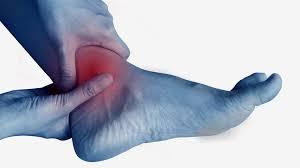
Ankle swelling often appears as a simple physical change after long periods of standing, driving, or in hot weather. Yet, physicians warn that it can reflect circulatory problems, organ dysfunction, or chronic inflammation.
Early Signs of Ankle Swelling
Ankle swelling develops gradually and is often overlooked. Key signs include:
-
Mild swelling around the ankles or feet after a long day.
-
Indentation when pressing the skin after removing socks or shoes.
-
Shiny or tight skin around the ankles.
-
Feeling heaviness or fatigue without sharp pain.
-
Swelling that resolves after rest or elevating the legs.
Possible Causes
Swollen ankles can indicate underlying health issues:
-
Chronic venous insufficiency: weak vein valves causing blood pooling.
-
Heart problems: reduced ability to pump blood efficiently.
-
Kidney disease: disturbed fluid and sodium balance.
-
Liver problems: low blood protein allowing fluid leakage.
-
Inflammation: due to injury, infection, or arthritis.
-
Medication side effects: such as blood pressure drugs, hormones, or steroids.
Diagnosis
Determining the root cause requires thorough evaluation:
-
Examining leg size, shape, and skin texture, plus pitting depth.
-
Reviewing medical history and recent health changes.
-
Kidney and liver function tests, protein levels.
-
Urine tests for excess fluid or protein.
-
Imaging such as ultrasound or echocardiography if circulation or heart issues are suspected.
Risks of Ignoring
Untreated ankle swelling can lead to serious complications:
-
Worsening heart and vascular diseases.
-
Increased risk of skin infections or ulcers.
-
Reduced mobility due to stiffness or pain.
-
Permanent skin changes in thickness or color.
-
Delayed diagnosis of kidney or liver disease.
Treatment
Effective treatment targets the underlying cause:
-
Medications for heart, kidney, or liver issues; adjust drugs if they contribute to swelling.
-
Compression garments to improve blood flow in the legs.
-
Lifestyle measures: regular activity, leg elevation, weight management, and ongoing medical follow-up.
Early attention to ankle swelling alleviates discomfort and prevents progression of chronic conditions affecting the heart, kidneys, or liver.