Anxiety and Depression Increase Asthma Attack Risk in Adults
A UK study reveals that adults with asthma who also suffer from anxiety or depression are more likely to experience asthma attacks, highlighting the need for combined mental and respiratory health management.
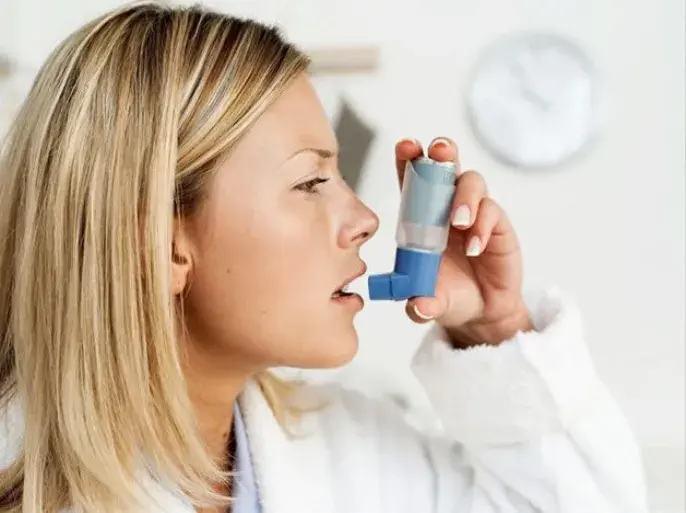
A recent study conducted in the United Kingdom found that adults with asthma who also struggle with anxiety or depression are at higher risk of experiencing asthma attacks compared to those without mental health issues. The research tracked over 873,000 adults with asthma, showing that those with anxiety or depression faced more frequent and severe attacks.
Researchers noted a strong connection between mental health and respiratory well-being. Stress and depression increase airway sensitivity and weaken the immune system, making asthma attacks quicker and more intense. Anxiety and depression also make adherence to medication routines more difficult, complicating asthma management.
The study emphasizes the importance of addressing mental health in asthma care, as early detection of depression or anxiety can help prevent worsening attacks and improve patients’ quality of life.

Regular health screening is one of the most important steps to maintain good health and detect diseases early. The essential medical checkups for every age help in preventing complications and ensuring a healthier life.

Many people, after doing medical tests, receive their results and immediately start looking at numbers and unfamiliar terms like (High – Low – Normal) without fully understanding what they actually mean.

When dealing with medical services, many people come across different titles for doctors such as “Specialist” and “Consultant”, which can sometimes create confusion about what each title actually means and how they differ from each other.

Choosing the right time to visit a doctor is not a random decision. It can directly affect how quickly a condition is diagnosed and how effective the treatment will be. Many people delay visiting a doctor or go at the wrong time, which may lead to worsening symptoms or delayed care.
