Back Curvature Treatment and Posture Correction in Mohandessin | Dr. Hadeer Samy
Learn about back curvature treatment and posture correction, common causes of postural problems, and the role of physical therapy and therapeutic exercises.
By: Dr. Hadeer Samy
Treatment of Back Curvature and Posture Correction in Mohandessin | Dr. Hadeer Samy
📞 For appointments and inquiries with Dr. Hadeer Samy:
01143477710 – 01206666199
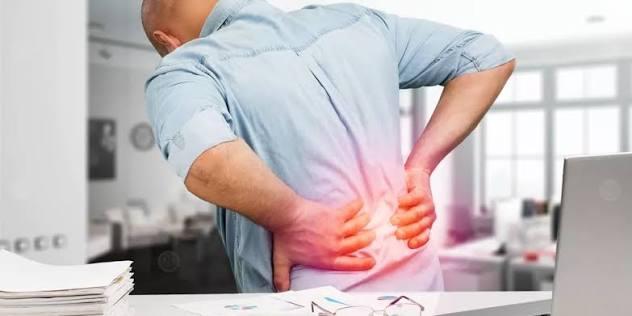
Back curvature and poor posture may develop as a result of daily habits such as sitting for long periods in an incorrect position, limited physical activity, or certain conditions affecting the muscles, joints, or spine. Continued poor posture may make the problem more noticeable and may sometimes be accompanied by back or neck pain and stiffness.
The treatment of back curvature and posture problems depends on identifying the underlying cause, the degree of curvature, and each person's physical condition. Therefore, treatment usually begins with a specialized assessment, followed by selecting appropriate exercises and rehabilitation techniques.

What Is Back Curvature?
The spine naturally contains several curves that are important for normal movement and function. However, an excessive or abnormal curve may affect body posture and movement.
Back curvature may be associated with poor posture, muscle weakness, or limited physical activity, while other spinal conditions may require specialized assessment to determine their exact nature.
For this reason, not every type of back curvature should simply be considered a posture problem.
What Causes Back Curvature and Poor Posture?
Postural problems may be associated with several factors, including:
-
Sitting for long periods.
-
Using phones or computers in an inappropriate position.
-
Weak back and abdominal muscles.
-
Limited physical activity.
-
Certain muscular and joint problems.
-
Certain spinal conditions that require specialized evaluation.
The underlying cause varies from person to person, which means treatment may also differ.
What Are the Symptoms of Poor Posture?
Postural problems may become noticeable through changes in the body's position and alignment. Some people may also experience:
-
Back pain.
-
Neck pain or stiffness.
-
Muscle tightness or fatigue.
-
Difficulty maintaining a proper posture for long periods.
-
Tiredness when sitting or standing for extended periods.
In some cases, there may be little or no pain, while the problem is mainly noticeable through the way a person sits, stands, or moves.
How Is Back Curvature Evaluated?
Assessment usually begins with discussing the patient's symptoms, daily habits, and movement patterns.
The physical evaluation may include examining body posture, spinal movement, and the condition and function of the muscles and joints.
Some patients may require additional tests or imaging, particularly when certain symptoms indicate the need for further evaluation.
Based on the assessment, the nature of the problem can be identified and an appropriate plan can be developed to improve posture and movement.
How Can Physical Therapy Help Correct Posture?
Physical therapy can play an important role in improving posture when the problem is related to factors that can be addressed through therapeutic exercises and rehabilitation.
A treatment program may include exercises designed to:
-
Strengthen the back muscles.
-
Strengthen the abdominal and core muscles.
-
Improve muscle flexibility.
-
Improve joint mobility.
-
Train the body to maintain proper posture.
-
Improve movement control.
Exercises should be selected according to each person's abilities and condition rather than following a single program for everyone.
Can Back Curvature Be Treated With Exercises?
In some cases, therapeutic exercises can help improve body posture and strengthen the muscles that support the spine.
However, the degree of improvement depends on the cause, type, and severity of the curvature.
For this reason, it is important not to rely on random exercises found online without professional assessment, particularly when the curvature is accompanied by pain or other symptoms.
Posture Correction and Daily Habits
Improving posture does not depend only on physical therapy sessions. Daily habits can also play an important role.
Helpful habits may include:
-
Maintaining an appropriate sitting position.
-
Avoiding staying in the same position for long periods.
-
Taking regular breaks when working on a computer.
-
Maintaining regular daily movement and activity.
-
Performing exercises appropriate for the individual's condition.
-
Avoiding positions that increase pain or muscle strain.
Can Prolonged Sitting Affect Posture?
Sitting for long periods, especially with poor posture, may contribute to postural problems and increased strain on certain muscles.
Changing position regularly and incorporating movement breaks can therefore be helpful, along with adjusting the sitting position according to the nature of the person's work.
However, prolonged sitting does not explain every case of back curvature, which is why persistent problems or symptoms should be professionally assessed.
When Should You Seek a Professional Assessment?
A professional assessment may be appropriate when back curvature is noticeable or persistent, or when it is associated with recurring pain, stiffness, or difficulty moving.
New or severe symptoms should not be ignored, particularly when they interfere with normal movement or daily activities.
Can Postural Problems Be Prevented?
Some factors that contribute to postural problems can be reduced by maintaining an active lifestyle and paying attention to sitting, standing, and movement habits.
Strengthening the core and back muscles, maintaining flexibility, and engaging in appropriate physical activity may also support healthy movement and posture.
However, prevention depends on the underlying cause, and some conditions require specialized follow-up.
Dr. Hadeer Samy – Physical Therapy and Posture Correction
You can contact Dr. Hadeer Samy to schedule an appointment for assessment of posture problems and back curvature and to discuss suitable treatment options.
📍 Mohandessin Clinic
9 Abdel Hamid Lotfy Street – off Al-Batal Ahmed Abdel Aziz Street – Mohandessin, Giza.
⏰ Working Hours
Saturday through Thursday:
From 12:00 PM to 10:00 PM.
Friday:
From 3:00 PM to 10:00 PM, with advance booking available.
📞 Appointments and Inquiries
Conclusion
Treatment of back curvature and posture problems requires identifying the underlying cause and severity before selecting an appropriate treatment program.
Therapeutic exercises and rehabilitation may help improve strength, flexibility, and movement control in suitable cases, together with modifying daily habits that can affect posture.
The most important first step is a professional assessment to determine the nature of the problem and develop a treatment plan tailored to each patient's individual needs.
Learn about dental implant services at Al Gaml Specialized Medical Center in Al Talbia, Faisal, including case evaluation and the development of an appropriate treatment plan.

Hollywood Smile and Cosmetic Dentistry Services at Dr. Ahmed Fahd Center in Al-Shaheed Square, Sohag | Book Now Contact: 01101143248

Learn about Dr. Alaa Waheed, a specialist in non-surgical reconstructive aesthetics, and her approach to addressing facial muscles, tissues, and volume loss, along with tissue tightening, non-surgical lifting, and cosmetic injection techniques.
Discover Skin Analysis AI at ElGamal Clinic with Dr. Qamaria Tarek El-Banna, Dermatology and Laser Specialist, for a more detailed assessment of skin concerns such as pigmentation, acne, pores, and changes in skin texture.
