
🦴 Back Curvature Treatment in Mohandessin | Dr. Hadeer Samy – Physical Therapy
Are you noticing a rounded upper back, shoulders that lean forward, or recurring back pain that becomes worse after sitting for long periods? Back curvature treatment in Mohandessin can be an important step toward improving posture, mobility, and physical comfort once the type and cause of the curvature have been assessed. Depending on the individual condition, physical therapy and rehabilitation may help improve mobility and strengthen the muscles that support the spine.
Dr. Hadeer Samy, a physical therapy and sports rehabilitation specialist in Mohandessin, provides physical therapy and rehabilitation services for spinal and musculoskeletal conditions, with manual therapy and therapeutic exercises incorporated into treatment plans when appropriate. Choosing the right approach begins with assessing posture and movement and determining whether the curvature is related to body positioning or structural changes in the spine.
📞 Contact Information and Appointments with Dr. Hadeer Samy
- Address: 9 Abdel Hamid Lotfy Street, off El Batal Ahmed Abdel Aziz Street, Mohandessin, Giza, Egypt.
- Consultation fee: EGP 500, according to the available clinic information.
- Opening hours: Daily from 12:00 PM to 10:00 PM; Fridays from 3:00 PM to 10:00 PM.
- Book via WhatsApp: Contact the clinic on WhatsApp.
- Doctor's profile: View Dr. Hadeer Samy's profile on MisrConnect.
What Is Back Curvature?
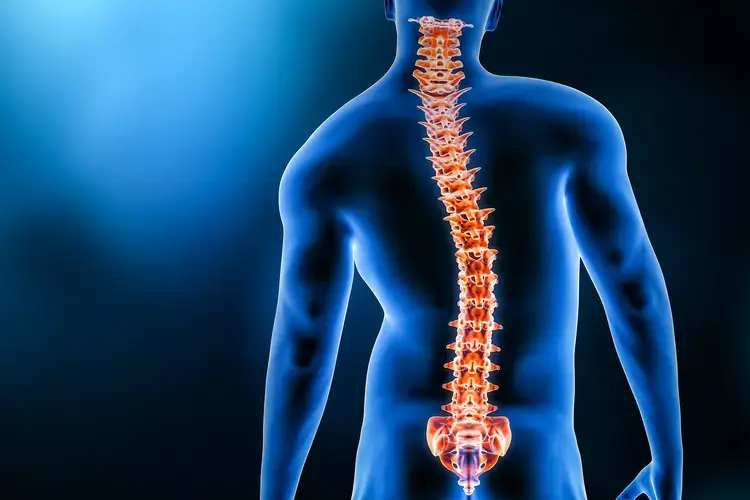
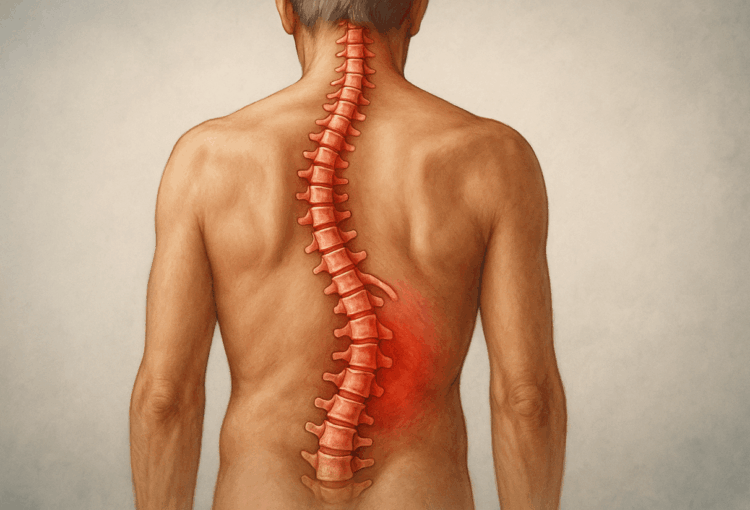
Back curvature refers to an increase or change in the spine's natural curves. It may appear as a noticeable rounding of the upper back or a change in overall posture. The nature of the condition varies from person to person. Some cases are associated with daily habits and prolonged sitting, while others may result from changes in the shape of the vertebrae or underlying muscular or structural conditions.
Treatment does not simply involve forcing the back into a straight position or performing random exercises. Instead, the first step is an appropriate medical or physical therapy assessment to identify the type of curvature, understand how it affects movement, and determine whether additional investigations are necessary.
What Causes Back Curvature?
Back curvature can have several causes, including the following:
- Poor sitting posture: Leaning forward for extended periods while using a phone or computer may contribute to postural strain.
- Weak back and core muscles: Weakness in certain muscles may affect the body's ability to maintain comfortable and controlled posture.
- Limited physical activity: Reduced movement may contribute to decreased flexibility and difficulty maintaining comfortable positions.
- Structural kyphosis: Some forms of excessive spinal curvature are associated with changes in vertebral shape or spinal development, particularly during adolescence.
- Other spinal conditions: Degenerative changes and vertebral compression fractures may contribute to changes in spinal alignment, especially in some older adults.
It is important to distinguish postural curvature from structural curvature because the appropriate treatment approach depends on the underlying cause and severity.
What Symptoms of Back Curvature Require Assessment?
Back curvature may be associated with several signs that warrant professional assessment, including:
- A noticeable rounding of the upper back.
- Shoulders that lean forward or difficulty maintaining a comfortable upright posture.
- Back or neck pain and fatigue after sitting or standing for extended periods.
- Back stiffness or restricted movement.
- A noticeable change in posture or an increase in the curvature over time.
These symptoms do not necessarily indicate a serious condition, but persistent or worsening symptoms should be assessed. New limb weakness, loss of bladder or bowel control, or severe pain following an injury requires urgent medical evaluation.
How Is Back Curvature Treated in Mohandessin?
The treatment plan depends on the type of curvature, its cause, and how much it affects daily activities. Following an appropriate assessment, a physical therapy professional may recommend different rehabilitation approaches, including the following:
1. Posture Correction Exercises
Posture exercises help individuals learn more comfortable positions for sitting, standing, and moving. Depending on the assessment, they may include exercises that improve the alignment and control of the head, shoulders, and trunk.
The goal is not to maintain a rigid position throughout the day, but to improve postural control and reduce strain associated with unsuitable movement habits.
2. Strengthening the Back and Core Muscles
A rehabilitation program may include exercises to strengthen the muscles that support the spine and trunk, taking into account the individual's fitness level and physical abilities. Appropriate strengthening exercises can help improve stability and movement control. However, their effect on the curvature itself depends on whether the problem is postural or structural.
3. Flexibility and Mobility Exercises
Specific exercises may be used to improve muscle and joint flexibility and reduce stiffness when appropriate. A physical therapist determines which movements are suitable and how far the person can move safely, while avoiding forceful movements or excessive pressure on the spine.
4. Manual Therapy
Manual therapy may be included in a rehabilitation program to help relieve certain types of pain and improve mobility in suitable cases. However, it is not a stand-alone method for correcting every type of back curvature and does not replace identifying the underlying cause.
5. Modifying Daily Habits
Daily adjustments may include taking regular movement breaks, positioning the computer screen at a comfortable height, choosing a supportive working position, and avoiding prolonged periods in the same posture. These changes may help reduce physical strain and support better postural habits, particularly when the curvature is related to positioning.
6. Follow-Up and Treatment Plan Adjustments
Regular follow-up helps assess changes in pain, mobility, and the ability to perform everyday activities. Exercises can then be adjusted according to the individual's response. Some cases of structural curvature may also require assessment and follow-up with an orthopedic or spine specialist in addition to physical therapy.
Can Physical Therapy Alone Treat Back Curvature?
Physical therapy can be an important part of managing certain types of back curvature, particularly those associated with posture, muscle weakness, or limited mobility. However, this approach is not suitable as the only treatment for every case.
When curvature results from structural changes in the vertebrae, is severe, or progresses over time, specialist medical assessment and additional treatment options may be necessary. The appropriate approach is determined through clinical assessment and may include imaging or other investigations when indicated.
What Are the Best Exercises for Improving Back Posture?
There is no single exercise that is suitable for everyone with back curvature. Exercise selection depends on the location and type of the curve, spinal mobility, muscle strength, the presence of pain, and any associated conditions.
A physical therapist may recommend exercises to strengthen the back and core muscles, improve shoulder mobility, and develop better control of posture. Some individuals may need a specialized exercise program tailored to their specific type of spinal curvature.
It is best to avoid copying exercises found online without an appropriate assessment, especially if there is persistent pain, a noticeable spinal curve, or a history of spinal injury.
When Should You Visit a Physical Therapist for Back Curvature?
Consider seeking an assessment if you notice a persistent change in posture, experience recurring back pain, or find it difficult to maintain a comfortable position while working or studying. Children and adolescents should also be assessed if there is an increase in upper-back rounding or a noticeable change in spinal alignment during growth.
A curvature that appears suddenly, increases noticeably, or is accompanied by severe pain or neurological symptoms requires appropriate medical assessment before starting an exercise program.
Why Consider Dr. Hadeer Samy for Physical Therapy in Mohandessin?
According to the available professional profile, Dr. Hadeer Samy offers physical therapy, sports injury rehabilitation, and rehabilitation services for spinal conditions, alongside manual therapy, dry needling, and clinical nutrition services.
An individual assessment can help identify a suitable rehabilitation plan based on the nature of the problem and the person's movement goals. The professional profile lists a bachelor's degree in physical therapy, a diploma in clinical nutrition and sports rehabilitation from the University of Sheffield in the United Kingdom, manual therapy certification, and dry needling training.
The treatment plan should always be based on an appropriate assessment. Referral to a medical specialist may be necessary when symptoms indicate the need for further investigations or additional treatment.
📍 Book a Back Curvature Assessment in Mohandessin
If you are experiencing a rounded upper back, recurring discomfort, or difficulty maintaining a comfortable posture, contact Dr. Hadeer Samy to ask about physical therapy services and arrange an assessment.
- Address: 9 Abdel Hamid Lotfy Street, off El Batal Ahmed Abdel Aziz Street, Mohandessin, Giza, Egypt.
- Listed consultation fee: EGP 500.
- Opening hours: Daily from 12:00 PM to 10:00 PM; Fridays from 3:00 PM to 10:00 PM.
- WhatsApp appointments: Book through WhatsApp.
- MisrConnect profile: Dr. Hadeer Samy.
An appropriate assessment can help identify the cause of back curvature and guide the selection of suitable treatment options. Results vary depending on the underlying condition, and physical therapy alone may not be sufficient to correct every type of spinal curvature.
```