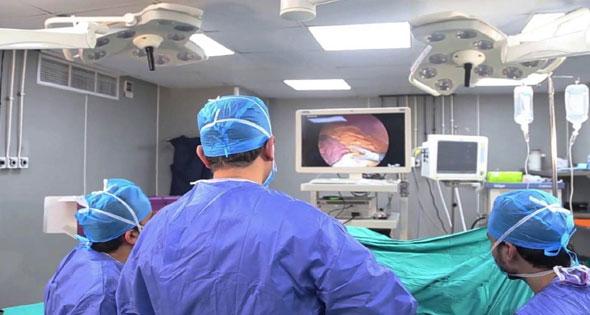

Bariatric Surgery in Hurghada: Types and When It May Be Considered | Dr. Mohamed Mansour Kamel
Obesity can affect overall health and quality of life, especially when severe weight gain is associated with other health problems. In some cases, lifestyle changes alone may not be enough to achieve the desired weight loss, and bariatric surgery may be considered as a treatment option after evaluating the patient’s medical condition.
Dr. Mohamed Mansour Kamel provides bariatric surgery services in Hurghada, with the appropriate surgical approach determined according to the patient’s health condition, weight, and treatment needs.
📍 Dr. Mohamed Mansour Kamel Clinic in Hurghada
Cleopatra Hospital – Hurghada
.jpg)
What Is Bariatric Surgery?
Bariatric surgery refers to a group of surgical procedures designed to help treat obesity and support weight loss.
Depending on the procedure, surgery may reduce the amount of food the stomach can hold or change the way the digestive system processes food.
The goal is not only weight reduction. For suitable patients, bariatric surgery may also help improve certain health problems associated with obesity.
When May Bariatric Surgery Be Considered?
Bariatric surgery is not suitable for everyone who is overweight. The decision depends on several factors that should be assessed medically.
These factors may include:
- The degree of obesity and body mass index.
- Health conditions associated with obesity.
- Previous attempts to lose weight and their results.
- The patient’s overall health.
- The ability to follow dietary instructions and continue medical follow-up after surgery.
For this reason, the need for surgery cannot be determined based on weight alone. A comprehensive medical evaluation is needed.
What Are the Most Common Types of Bariatric Surgery?
There are several surgical techniques used to treat obesity, and the appropriate procedure may vary from one patient to another.
Sleeve Gastrectomy
Sleeve gastrectomy is one of the most common bariatric procedures. It involves removing part of the stomach to reduce its size and limit the amount of food it can hold.
After surgery, the patient needs to follow a gradual dietary plan and medical instructions to support recovery and benefit from the procedure.
Gastric Bypass
Gastric bypass is a surgical procedure that reduces the size of the stomach and changes the pathway through which part of the digestive system receives food.
This affects both the amount of food consumed and the absorption of certain nutrients.
It may be considered for some patients depending on their medical condition and other health or nutritional factors.
How Is the Appropriate Procedure Chosen?
There is no single bariatric procedure that is suitable for everyone.
The choice may depend on factors such as body weight, body mass index, overall health, existing medical conditions, eating habits, and the patient’s individual circumstances.
As a result, two people with similar weights may still receive different treatment recommendations.
Is Bariatric Surgery Suitable for Every Case of Excess Weight?
No.
Bariatric surgery is generally considered for specific cases of obesity, and the patient must first be evaluated to determine whether surgery is appropriate.
Some patients may benefit from dietary changes, physical activity, or other weight-management approaches before considering surgery, while surgery may be an option for others with severe obesity or obesity-related health problems.
What Tests Are Needed Before Bariatric Surgery?
The required tests depend on the patient’s medical history and overall health.
The evaluation may include reviewing the patient’s medical history and medications, along with laboratory tests or other examinations that help assess general health and readiness for surgery.
Certain obesity-related health conditions may also need to be evaluated before the procedure.
What Happens After Bariatric Surgery?
The postoperative period is an important part of treatment. The process does not end once the surgery has been performed.
Patients usually need to follow a gradual dietary plan and consume fluids and food according to the stage of recovery and the surgeon’s instructions.
Depending on the procedure and individual condition, medications or nutritional supplements may also be required.
Regular medical follow-up is important for monitoring weight, nutritional status, general health, and recovery.
Does Bariatric Surgery Produce the Same Results for Everyone?
No. Results vary from one person to another.
Weight loss after surgery can be affected by several factors, including the type of procedure, preoperative weight, dietary habits, physical activity, medical follow-up, and overall health.
Therefore, a specific amount of weight loss cannot be guaranteed for every patient before an individual evaluation.
Why Is Lifestyle Change Important After Surgery?
The success of bariatric surgery does not depend on the procedure alone.
After surgery, patients need to adopt appropriate eating habits, follow medical instructions, gradually increase physical activity when appropriate, and continue regular follow-up.
These steps can help support the results of surgery and promote long-term weight and health management.
Can Weight Gain Occur After Bariatric Surgery?
Some patients may experience weight regain after surgery, particularly over time if unhealthy eating habits return or follow-up is not maintained.
Weight regain does not necessarily mean that the procedure has failed. However, it should be medically evaluated to identify possible causes and determine an appropriate management plan.
When Should You Consider a Bariatric Surgery Evaluation?
A medical evaluation may be appropriate when obesity is severe or is associated with health problems that affect daily life, particularly when previous weight-loss attempts have not achieved the desired results.
The evaluation can help determine whether bariatric surgery is appropriate, which procedure may be considered, or whether another treatment approach would be more suitable.
Dr. Mohamed Mansour Kamel – Bariatric Surgery in Hurghada
Bariatric procedures differ in their techniques and effects on the digestive system. Therefore, choosing the appropriate procedure depends on an individual medical assessment.
Patients can be evaluated by Dr. Mohamed Mansour Kamel at Cleopatra Hospital – Hurghada, where the appropriate surgical approach can be considered according to the patient’s medical condition and treatment needs.
Is Sleeve Gastrectomy Better Than Gastric Bypass?
There is no single answer that applies to every patient. Each procedure has different characteristics, and the choice depends on factors such as body weight, overall health, associated medical conditions, and other factors assessed during the medical evaluation.
Can Bariatric Surgery Be Performed Simply to Lose Weight?
The decision to undergo surgery is not based on the desire to lose weight alone. It depends on the severity of obesity, the patient’s health condition, and whether surgery is medically appropriate.
Does the Patient Need a Diet After Bariatric Surgery?
Yes. Following postoperative dietary instructions is an essential part of recovery and achieving the intended benefits of surgery. The diet is usually adjusted gradually according to the stage of recovery and the surgeon’s instructions.
Does Bariatric Surgery Eliminate the Need for Lifestyle Changes?
No. Surgery is one part of an overall obesity treatment plan. Healthy eating, physical activity, and regular medical follow-up remain important for maintaining the results.
Conclusion
Bariatric surgery may be an appropriate treatment option for some patients with obesity, particularly when severe obesity is associated with health problems. However, the decision to undergo surgery should not be based on weight alone.
Sleeve gastrectomy, gastric bypass, and other procedures differ in how they work and in their suitability for individual patients. A comprehensive medical evaluation is therefore an important first step in determining whether surgery is appropriate and which procedure may be considered.