
⛔ Sham El-Nessim & Joint Pain: One Bite of Feseekh Could Leave You in Pain for 45 Days!
As Sham El-Nessim approaches, Egyptians begin preparing for this special day that combines joy with food traditions passed down for thousands of years. Tables are filled with feseekh, smoked herring, colored eggs, and green onions in a festive atmosphere full of memories and happiness.
However, amid these celebrations, many overlook a serious health risk that could turn this joyful day into the beginning of long-lasting pain—especially for those suffering from joint problems. Just one bite of feseekh can trigger a severe pain attack that may last for weeks, and in some cases up to 45 days.
The main reason behind this is a condition known as gout, one of the most painful and common types of arthritis.
🦶 What is Gout?
Gout is a type of arthritis that occurs due to high levels of uric acid in the blood. Normally, the body produces uric acid daily as it breaks down substances called purines, and it is eliminated through the kidneys via urine.
However, in some cases, this process becomes unbalanced—either due to increased production of uric acid or decreased ability of the kidneys to remove it—leading to its accumulation in the body.
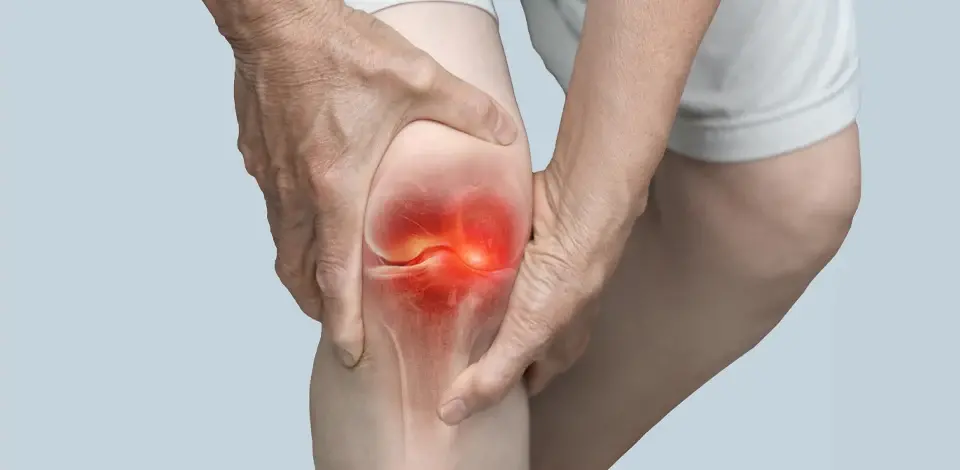
When uric acid levels rise significantly, it forms sharp crystal deposits in the joints, causing:
Sudden and severe pain
Joint swelling
Redness and warmth
Difficulty moving
Gout symptoms usually begin in the big toe joint, but they can also affect the knees, ankles, and hands.
🧬 How Do Gout Attacks Occur?
Gout attacks don’t happen randomly. They result from the gradual buildup of uric acid in the body. Once it reaches a certain level, crystals begin to deposit in the joints.
At this point, the immune system treats these crystals as foreign objects and attacks them, causing intense inflammation in the affected joint.
This inflammation leads to severe pain that often appears suddenly and peaks within hours, especially at night.
🐟 What is the Relationship Between Feseekh and Gout?
Feseekh is one of the most popular foods during Sham El-Nessim, but it is also one of the most dangerous for people with gout.
This is due to two main reasons:
First: High Purine Content
Feseekh is very rich in purines, which are converted into uric acid in the body. Consuming it in large amounts can lead to a sudden increase in uric acid levels.
Second: High Salt Content
Feseekh contains extremely high levels of sodium, which negatively affects kidney function and reduces the body’s ability to eliminate uric acid.
Therefore, the combination of high purines + high salt makes feseekh a strong trigger for gout attacks.
⚠️ Why Can the Attack Last Up to 45 Days?
Many people believe that gout attacks only last a few days, but in reality, they can be more complex.
In some cases—especially when treatment is neglected or unhealthy foods are still consumed—symptoms may persist for several weeks and attacks may recur frequently.
Additionally, crystal accumulation in the joints can lead to chronic inflammation, causing pain to come and go, giving the impression that the attack lasts up to 45 days or even longer.
🚨 Who is Most at Risk?
Not everyone has the same level of risk. Certain groups are more vulnerable to gout attacks, especially after eating feseekh:
People with a history of gout
Individuals with high uric acid levels
Kidney disease patients
People with high blood pressure
Those who are overweight
People taking medications like diuretics
Individuals with diets rich in meat and seafood
If you fall into any of these categories, it’s best to avoid or strictly limit feseekh consumption.
😖 Symptoms of a Gout Attack
Gout attacks have distinct symptoms and usually appear suddenly:
Severe joint pain that may wake you from sleep
Visible swelling
Redness around the joint
Heat in the affected area
Difficulty walking or moving
Pain when touching the joint
In some cases, patients may also experience fatigue or a slight fever.
🧾 Complications of Untreated Gout
If left untreated, gout can lead to serious complications such as:
Frequent recurring attacks
Permanent joint damage
Formation of hard deposits under the skin (tophi)
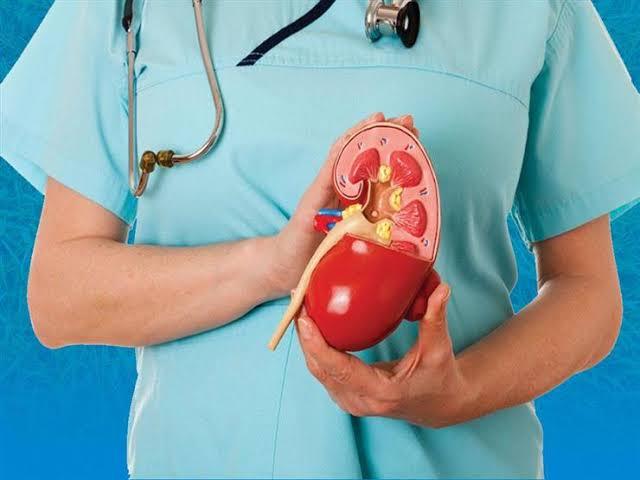
Kidney problems due to uric acid buildup
That’s why it’s important to take this condition seriously and not ignore symptoms.
🛑 How to Protect Yourself During Sham El-Nessim?
You can still enjoy the holiday while staying safe by following these tips:
Limit feseekh intake as much as possible
Consider replacing it with moderate amounts of smoked herring
Drink plenty of water
Eat fresh vegetables like lettuce and green onions
Add lemon to aid digestion
Avoid excessive protein intake
Stay away from soft drinks
Moderation is key to avoiding health complications.
🍽️ Healthy Alternatives to Feseekh
If you're concerned about feseekh, you can choose healthier options such as:
Low-sodium tuna
Grilled fish
Moderate portions of smoked herring
Vegetable-rich light meals
These choices allow you to enjoy the occasion without risking your health.
💊 When Should You See a Doctor?
You should consult a doctor immediately if you experience:
Sudden severe joint pain
Recurring attacks
No improvement in symptoms
Persistent swelling
Difficulty moving
Early intervention helps reduce pain and prevent complications.
👩⚕️ Dr. Doaa Salah Atta’s Advice
Sham El-Nessim is a joyful occasion, but it should not come at the expense of your health.
If you suffer from joint problems or have a history of gout, choose your food wisely.
Always remember that a simple bite can lead to long-lasting pain, so prevention is better than cure.
📍 Contact Information
👩⚕️ Dr. Doaa Salah Atta
📞 01110884498
📍 New Cairo Clinic – HCC, 90 Street, behind Air Force Hospital, 2nd Floor, Clinic 215 (The Clinic), Cairo