Best Diet After 40 to Support Health, Energy, and Slow Aging
After 40, the body undergoes gradual functional decline, but a strategic diet helps maintain muscles, heart health, skin elasticity, energy, and cognitive function.

After turning 40, the body enters a phase of biological changes: muscle mass decreases, skin elasticity drops, metabolism slows, and some organs work less efficiently. A targeted diet is essential to slow aging and support overall health.
Protein: Key for Muscle Preservation and Metabolism
Muscle loss increases the risk of obesity, imbalance, and reduced daily activity. High-quality protein:
-
Repairs and builds muscles
-
Stabilizes blood sugar
-
Increases satiety and controls weight
Sources: Eggs, fatty fish, chicken, legumes, low-fat dairy. Distribute protein intake throughout the day to maintain muscle and metabolism.
Healthy Fats: Hormone Balance and Heart Support
Omega-3 fatty acids from salmon, mackerel, flaxseeds, and walnuts reduce chronic inflammation and support brain health. Monounsaturated fats, like extra virgin olive oil, improve skin elasticity, reduce atherosclerosis risk, and aid hormone production.
Fruits and Vegetables: Antioxidant Power
Antioxidants fight free radicals, protect cells, and reduce chronic inflammation:
-
Vitamin C: Kiwi, oranges, strawberries → boosts collagen and skin firmness
-
Flavonoids: Berries, apples, green tea → heart and brain protection
-
Leafy greens: Spinach, arugula → cellular oxidative stress protection
Whole Grains: Stable Energy and Digestive Health
Replace white rice and bread with oats, quinoa, barley:
-
Slows sugar absorption
-
Improves gut health with soluble fibers
-
Reduces cardiovascular risk and promotes satiety
Water: Vital for Skin and Organs
Dehydration accelerates wrinkles and organ stress. Drinking 2–3 liters/day:
-
Detoxifies the body
-
Maintains skin elasticity
-
Reduces internal inflammation
Tip: Add mint leaves or lemon slices for extra antibacterial and refreshing benefits.
Minerals and Vitamins: Bone and Immune Support
-
Calcium & Vitamin D: Essential for bone health, especially post-menopause
-
Zinc & Selenium: Support immunity and tissue repair
-
Sources: Fish, nuts, whole grains, leafy greens
Reducing Inflammation: Key to Longevity
Processed foods, sugar, and saturated fats accelerate aging. Lean proteins, healthy fats, and fresh fruits/vegetables reduce chronic inflammation and enhance immune cell function.
Physical Activity: Partner for Diet
Walking, yoga, and light resistance exercises:
-
Boost circulation
-
Enhance nutrient absorption
-
Increase endorphin release → reduces stress and slows aging
-
Maintain strength and balance
Summary:
A balanced diet with protein, healthy fats, fiber, fruits, vegetables, adequate hydration, and regular physical activity can delay aging signs, improve quality of life, and maintain physical and mental health after 40.

Regular health screening is one of the most important steps to maintain good health and detect diseases early. The essential medical checkups for every age help in preventing complications and ensuring a healthier life.
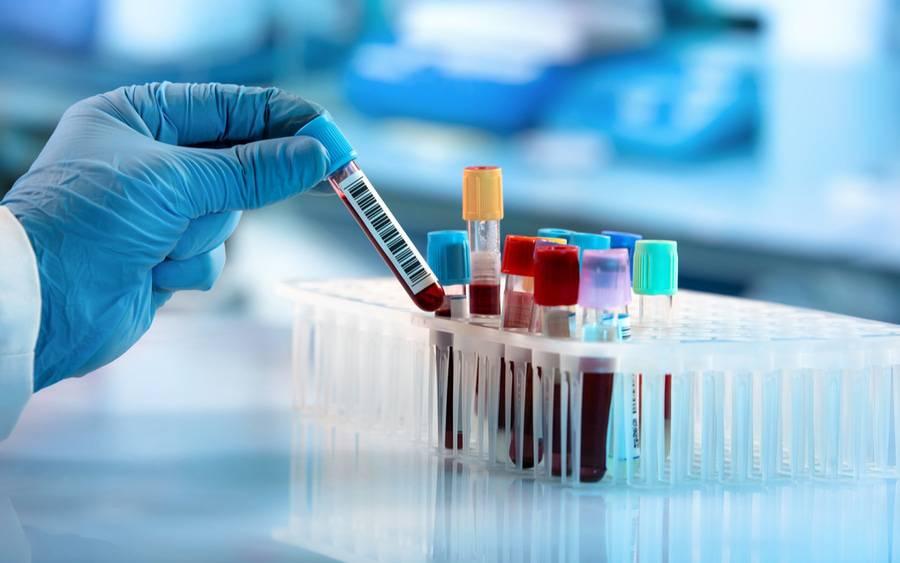
Many people, after doing medical tests, receive their results and immediately start looking at numbers and unfamiliar terms like (High – Low – Normal) without fully understanding what they actually mean.

When dealing with medical services, many people come across different titles for doctors such as “Specialist” and “Consultant”, which can sometimes create confusion about what each title actually means and how they differ from each other.

Choosing the right time to visit a doctor is not a random decision. It can directly affect how quickly a condition is diagnosed and how effective the treatment will be. Many people delay visiting a doctor or go at the wrong time, which may lead to worsening symptoms or delayed care.
