
Best Diet for Heart Patients | A Healthy Guide to Protect the Heart and Reduce Risks
Choosing the best diet for heart patients is one of the most important steps to maintain heart health and reduce the risk of complications such as heart attacks and high blood pressure. Diet does not only affect weight but also plays a major role in improving heart and blood vessel function.
In this simple medical guide, you will learn about the best foods for heart patients, what to avoid, and how to build a healthy diet that supports a better quality of life.
Why is diet important for heart patients?
The heart is directly affected by the type of food we eat, because nutrition influences:
- Blood cholesterol levels
- Blood pressure
- Body weight
- Blood sugar levels
👉 That is why following the best diet for heart patients helps reduce risks and improve overall health.
Best Diet for Heart Patients
1. Eat more fruits and vegetables
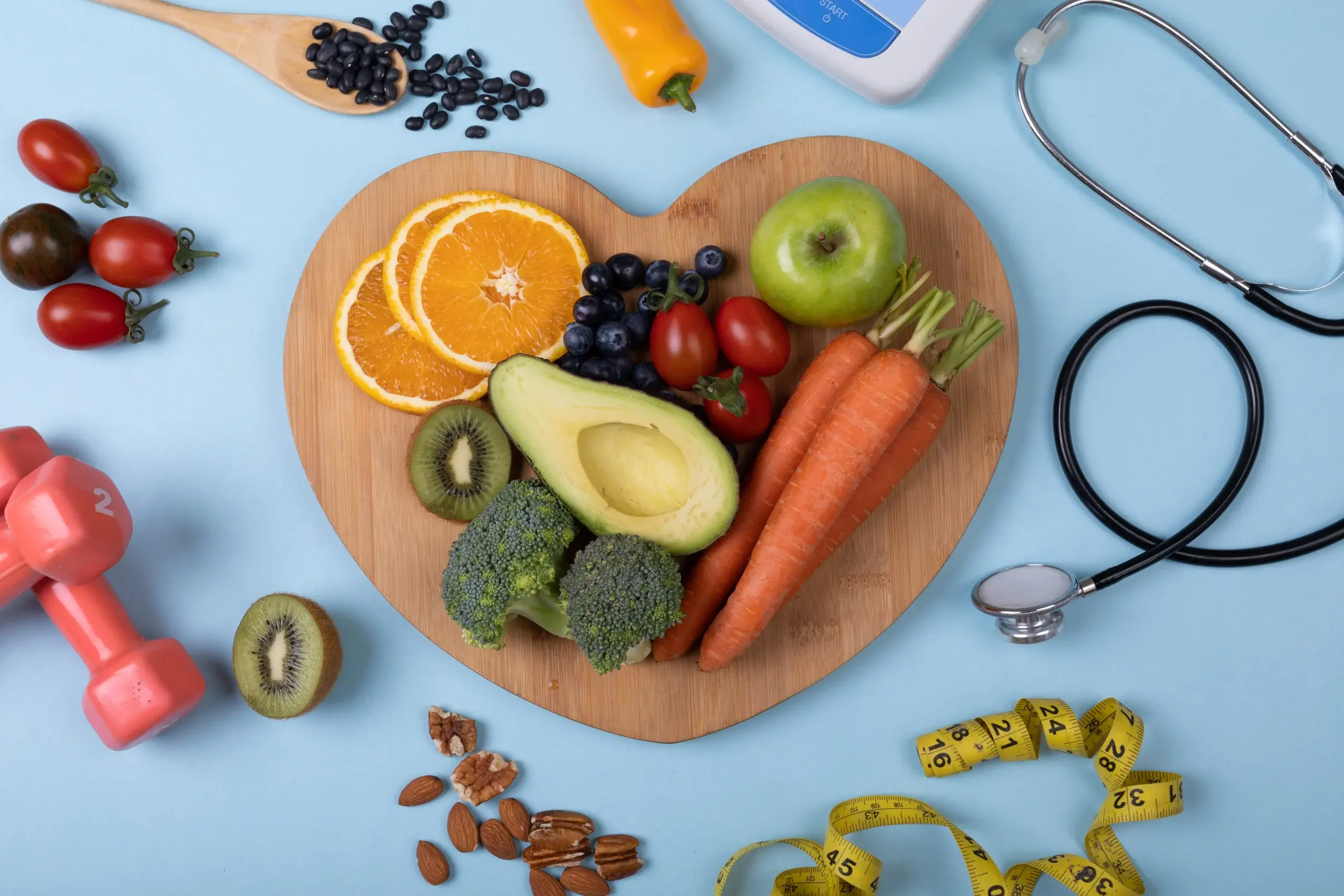
Fruits and vegetables are rich in fiber, vitamins, and antioxidants that protect the heart.
- Examples: spinach, broccoli, apples, oranges
2. Choose healthy fats
Not all fats are harmful. Some healthy fats include:
- Olive oil
- Avocados
- Nuts
👉 These help reduce bad cholesterol levels.
3. Eat whole grains
Whole grains such as oats and whole wheat help:
- Improve digestion
- Lower cholesterol
- Maintain stable blood sugar levels
4. Choose healthy protein sources
Recommended protein sources include:
- Fish (especially omega-3 rich fish)
- Skinless chicken
- Legumes such as lentils and beans
5. Reduce salt intake
Excess salt increases blood pressure, so you should:
- Reduce salt in meals
- Avoid processed foods
Foods to avoid for heart patients
Along with healthy foods, you should avoid:
- Fried foods
- Saturated fats (such as butter and ghee)
- Fast food
- Soft drinks
- Excess sugar
👉 These foods significantly increase the risk of heart disease.
Tips for a heart-healthy diet
- Eat balanced meals daily
- Avoid large portion sizes
- Drink enough water
- Exercise regularly
- Quit smoking
Is diet alone enough?
Diet is an essential part of treatment, but it does not replace:
- Medications (if prescribed by a doctor)
- Regular medical follow-ups
- Complete lifestyle changes
👉 A combined approach is the best way to maintain heart health.
When should you see a doctor?
You should consult a doctor if you have:
- Previous heart conditions
- High blood pressure
- High cholesterol
- Symptoms such as chest pain or shortness of breath
👉 A doctor can help you determine the best diet for heart patients based on your condition.
❓ Frequently Asked Questions (FAQ)
What is the best diet for heart patients?
A diet rich in fruits, vegetables, healthy fats, and low in salt and unhealthy fats.
Can heart disease be cured with diet?
No, but diet plays a major role in controlling the condition and reducing complications.
Is eating eggs allowed for heart patients?
Yes, in moderate amounts depending on the doctor’s advice.
What is the best drink for heart health?
Water is the best option, and green tea can be consumed in moderation.
🧾 Conclusion
Following the best diet for heart patients is not just about choosing healthy foods, but adopting a lifestyle that protects the heart and reduces health risks.
👉 Balanced nutrition along with medical follow-up is the key to a healthier heart and a better life.