
Aortic Aneurysm Surgery in Giza | Professor Dr. Mahmoud El-Degwy
Aortic aneurysm surgery (Aortic Aneurysm Repair) is one of the most precise and important procedures in the field of cardiac and vascular surgery. These conditions require careful medical evaluation, advanced imaging, and specialized surgical care to reduce potential complications and protect the patient's health. If you are looking for a specialist in aortic aneurysm surgery in Giza or Cairo, Professor Dr. Mahmoud El-Degwy provides specialized cardiac and thoracic surgical consultations and individualized treatment planning based on the patient's condition.
Direct Contact and Appointment Information
-
📞 Appointment & WhatsApp Numbers: 01223822588 / 01110691461
-
💳 Consultation Fee: EGP 600.
-
⏰ Clinic Hours: Evening appointments by prior booking and registration.
-
✉️ Email: [email protected]
-
📍 Mohandessin Branch – Giza: ABC Hospital Clinics, first Syria Street from Gameat El Dowal El Arabia Street.
-
📍 Dokki Branch – Giza: Be Care Clinics, 45 El Dokki Street, 4th Floor, above Farghaly Juice Shop, next to Dokki Metro Station.
-
📍 Heliopolis Branch – Cairo: 70 Abdel Aziz Fahmy Street, Saint Fatima Square.
-
📍 Maadi Branch – Cairo: El Horreya Street, El Basatin El Gharbeyah.
Who Is Professor Dr. Mahmoud El-Degwy?
Professor Dr. Mahmoud El-Degwy Ahmed is Professor and Consultant of Cardiac and Thoracic Surgery at Kasr Al Ainy Faculty of Medicine – Cairo University. He has more than 20 years of surgical and academic experience in complex open-heart surgery, coronary artery bypass surgery, heart valve repair and replacement, and minimally invasive thoracic procedures.
-
Professor of Cardiac and Thoracic Surgery: Kasr Al Ainy Faculty of Medicine – Cairo University.
-
Member of the Royal College of Surgeons of England (MRCS): Professional surgical membership in the United Kingdom.
-
Consultant in Pediatric Cardiac Surgery: Specialized in congenital heart surgery for newborns and children at Abu El-Reesh University Hospital.
-
Member of the Egyptian Society of Cardiothoracic Surgery: Participates in specialized medical conferences and advanced surgical activities.
What Is an Aortic Aneurysm and Why Can It Be Dangerous?
The aorta is the body's largest and main artery. It carries oxygen-rich blood from the left side of the heart to the rest of the body. An aortic aneurysm develops when part of the aortic wall becomes weakened, causing the artery to enlarge or bulge abnormally.
The major concern is that an aortic aneurysm may develop without obvious symptoms, particularly during its early stages. As the aneurysm enlarges, the risk of serious complications may increase, including aortic rupture or aortic dissection. These are medical emergencies that require immediate medical attention.
Types of Aortic Aneurysm
Aortic aneurysms are commonly classified according to their location within the body:
-
Thoracic Aortic Aneurysm: This type develops in the part of the aorta located inside the chest, including areas near the heart and aortic arch. Treatment requires careful assessment because important blood vessels supplying the brain and upper limbs may be involved.
-
Abdominal Aortic Aneurysm: This is one of the most common types and develops in the abdominal portion of the aorta. It is more frequently seen in older adults and is strongly associated with smoking and other cardiovascular risk factors.
-
Thoracoabdominal Aortic Aneurysm: This complex type extends through both the chest and abdominal portions of the aorta. Treatment may require a carefully planned approach to maintain blood flow to vital organs such as the kidneys and abdominal organs.
Causes and Risk Factors for Aortic Aneurysm
Several medical and environmental factors may contribute to weakening of the aortic wall and the development or progression of an aneurysm.
-
Atherosclerosis: Plaque buildup and changes in the arterial wall can contribute to loss of normal vessel integrity.
-
Chronic High Blood Pressure: Persistent pressure against a weakened arterial wall may contribute to enlargement over time.
-
Smoking: Smoking is an important risk factor associated with damage to blood vessels and increased risk of aneurysm progression.
-
Genetic and Hereditary Factors: Certain inherited connective tissue disorders, including Marfan syndrome and Ehlers-Danlos syndrome, may increase the risk of aortic disease.
-
Trauma and Chest Injuries: Severe trauma, including injuries resulting from road accidents or falls, can damage the aortic wall.
-
Inflammatory or Infectious Conditions: Certain inflammatory diseases and rare infections may weaken the aortic wall.
Symptoms of Aortic Aneurysm and Warning Signs
An aortic aneurysm may remain silent for a long time. However, as it grows or affects nearby structures, symptoms may develop.
-
Persistent or severe pain in the chest, upper back, or abdomen.
-
An unusual pulsating sensation in the abdomen, particularly near the navel, in some abdominal aneurysms.
-
Shortness of breath when a thoracic aneurysm affects nearby structures.
-
Difficulty or pain when swallowing due to pressure on the esophagus.
-
Hoarseness or changes in the voice due to pressure on nearby nerves.
⚠️ Emergency Warning Signs: Sudden, severe chest or upper back pain that may feel tearing or sharp and can radiate toward the back, especially when accompanied by dizziness, cold sweating, fainting, or a significant drop in blood pressure, may indicate aortic dissection or rupture. Immediate emergency medical care is required.
Diagnosis and Medical Evaluation of Aortic Aneurysm
Accurate diagnosis and assessment are essential for determining the size, location, shape, and potential risk of an aortic aneurysm. Depending on the patient's condition, evaluation may include:
-
CT Angiography: A detailed imaging test that can provide high-resolution images of the aorta, helping doctors assess the aneurysm's size, length, location, and relationship to nearby blood vessels.
-
Echocardiography: An ultrasound examination of the heart that can help assess the ascending aorta and evaluate heart valves when indicated.
-
Abdominal Ultrasound: A non-invasive imaging method commonly used to detect and monitor abdominal aortic aneurysms.
-
MRI / MRA: Magnetic resonance imaging and angiography can provide detailed images of blood vessels and surrounding tissues in selected patients.
Treatment Options for Aortic Aneurysm
The treatment plan depends on several factors, including the aneurysm's location and size, its rate of growth, symptoms, the patient's overall health, and the risk of rupture or other complications.
-
Medical Treatment and Regular Monitoring: Smaller aneurysms that do not currently require an intervention may be monitored regularly. Management may include controlling blood pressure, treating high cholesterol, stopping smoking, and undergoing follow-up imaging according to the physician's recommendations.
-
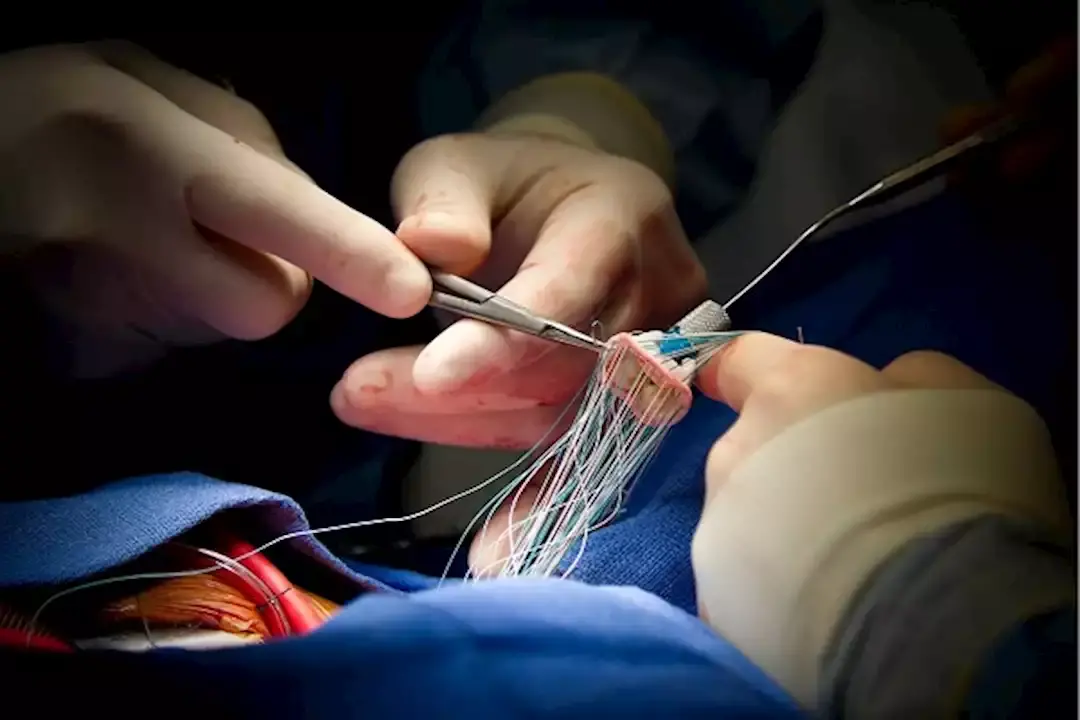
Open Aortic Repair: Traditional open surgery may be recommended for selected aneurysms. The surgeon replaces the weakened section of the aorta with a durable vascular graft. The exact surgical approach depends on the location and extent of the aneurysm.
-
Endovascular Aneurysm Repair (EVAR / TEVAR): A minimally invasive approach that uses a catheter to deliver a covered stent graft through an artery, commonly through the groin. The graft is positioned inside the affected section of the aorta to redirect blood flow and exclude the aneurysm from direct pressure. Suitability depends on the aneurysm's anatomy and the patient's individual condition.
Patient Recovery and Care After Aortic Surgery
Aortic surgery requires careful postoperative monitoring to support recovery and reduce the risk of complications.
-
Intensive Care Monitoring: Close monitoring of blood pressure, heart rate, kidney function, and other vital functions when required.
-
Gradual Physical Recovery: Gradual movement and breathing exercises may be introduced according to the medical team's instructions.
-
Healthy Diet: A balanced diet with appropriate sodium and fat intake may support cardiovascular health as part of the overall treatment plan.
Why Choose Professor Dr. Mahmoud El-Degwy for Cardiac and Thoracic Surgery in Giza?
-
More Than 20 Years of Surgical Experience: Experience in complex cardiac and thoracic procedures and the management of challenging surgical cases.
-
Comprehensive Medical Care: Patient care can include evaluation, preoperative preparation, surgical planning, postoperative monitoring, and follow-up.
-
Multiple Clinic Locations: Clinic branches in Mohandessin, Dokki, Heliopolis, and Maadi make consultations and follow-up more accessible to patients in Giza and Cairo.
Book Your Medical Evaluation
If you have been diagnosed with an aortic aneurysm, or imaging tests have shown enlargement of the aorta, obtaining a specialized surgical evaluation is an important step in determining the appropriate treatment approach.
-
📞 Appointments and Clinic Inquiries: 01223822588 / 01110691461
-
💬 Quick Contact: WhatsApp is available through the clinic's contact numbers.
💡 Important for Your First Visit: Please bring all relevant medical records, CT scan discs or images, echocardiography reports, and previous laboratory or diagnostic test results to help facilitate an accurate medical assessment and determine the most appropriate treatment plan.