Best Ways to Protect Your Eyes from Screens and Reduce Digital Eye Strain
Today, smartphones, laptops, and tablets have become essential tools in daily life for work, study, and entertainment. However, prolonged screen use has increased eye-related complaints such as dryness, headaches, and blurred vision.


Best Ways to Protect Your Eyes from Screens and Reduce Digital Eye Strain
Introduction
Today, smartphones, laptops, and tablets have become essential tools in daily life for work, study, and entertainment. However, prolonged screen use has increased eye-related complaints such as dryness, headaches, and blurred vision.
For this reason, many people are searching for effective ways to protect the eyes from screen exposure and reduce digital eye fatigue, which is what this guide explains in a simple and practical way.
How Screens Affect the Eyes
When focusing on screens for long periods, the natural blinking rate decreases, which reduces eye moisture. In addition, continuous exposure to blue light can strain the eye muscles responsible for focusing.
Over time, this leads to discomfort that affects daily productivity and visual performance.
Signs of Eye Strain from Screens
Common symptoms of digital eye strain include:
- Dryness or burning sensation in the eyes
- Headaches after prolonged screen use
- Difficulty focusing visually
- Temporary blurred vision
- Eye or forehead pain
- Frequent eye rubbing
Best Ways to Protect Your Eyes from Screens
Reduce Continuous Screen Time
Avoid long uninterrupted screen sessions, as the eyes need regular breaks to recover and relax.
Take Short Breaks During Work
Short pauses help reduce stress on eye muscles and prevent accumulated fatigue.
Adjust Screen Brightness
Improper lighting increases eye strain. The screen brightness should match the surrounding environment.
Maintain Proper Viewing Distance
Keeping a comfortable distance between your eyes and the screen reduces unnecessary eye pressure.
Use Eye Drops When Needed
Artificial tears can help relieve dryness and improve eye comfort during prolonged screen use.
Reduce Blue Light Exposure
Activating blue light filters or using protective glasses can reduce the negative effects of screens on the eyes.
Daily Habits That Protect Eye Health
- Avoid phone use before sleeping
- Drink enough water daily
- Get sufficient sleep
- Do not use devices in low light conditions
- Schedule regular eye examinations
What Happens If You Ignore Eye Strain?
Long-term exposure without protection may lead to:
- Chronic eye fatigue
- Reduced visual focus ability
- Worsening of myopia (nearsightedness)
- Frequent headaches and general fatigue
When Should You See an Eye Doctor?
You should consult an eye specialist if you experience:
- Persistent dry eyes
- Frequent headaches with screen use
- Continuous blurred vision
- Difficulty focusing even after rest
Conclusion
Protecting your eyes from screens is no longer optional in the digital age. By adopting simple daily habits, you can significantly reduce eye strain and maintain healthier, more comfortable vision in the long term.
SEO Keywords
protect eyes from screens
digital eye strain
eye strain treatment
screen damage to eyes
blue light effects on eyes
eye care tips

Dr. Menna Morsi uses the latest cosmetic dentistry techniques to preserve the health of your teeth while delivering outstanding aesthetic results through a personalized treatment plan tailored to your individual needs.
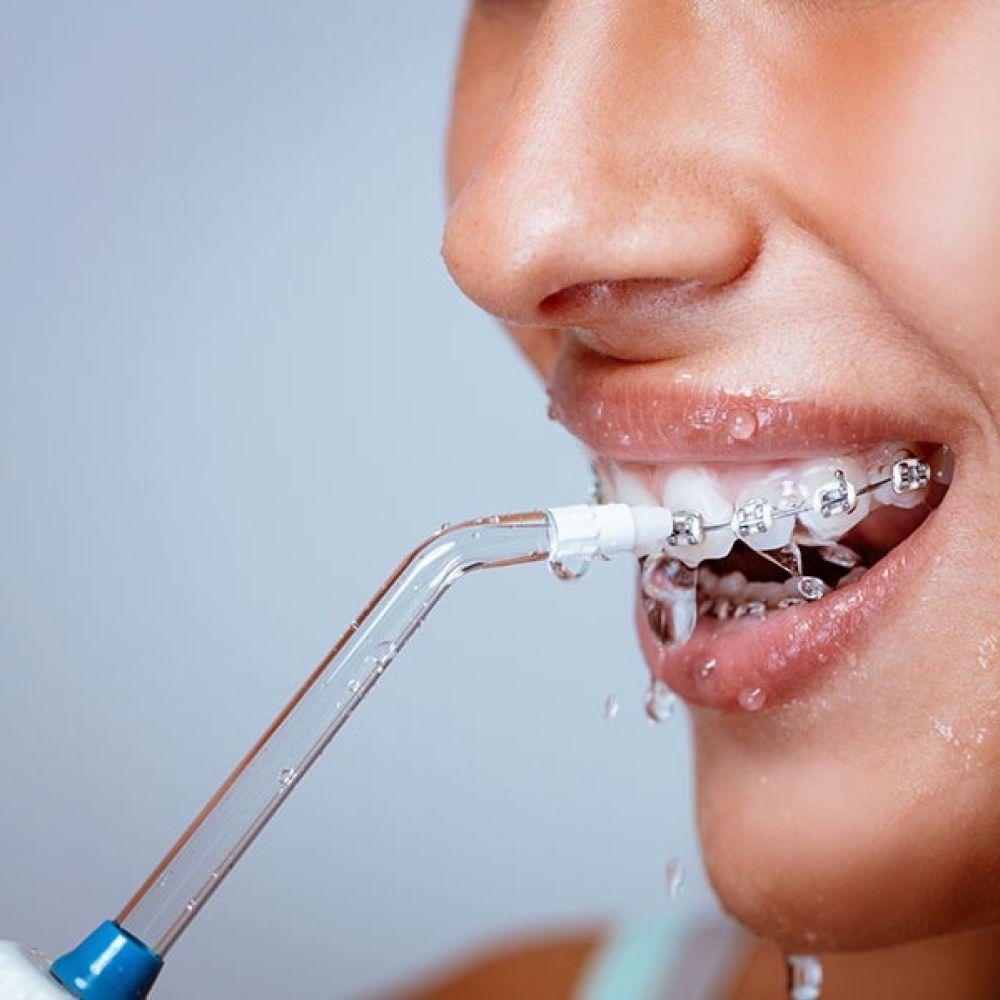
Over time, neglecting oral hygiene while wearing braces can lead to plaque buildup, gum inflammation, bad breath, and even affect the overall success of your orthodontic treatment by potentially extending the treatment period.
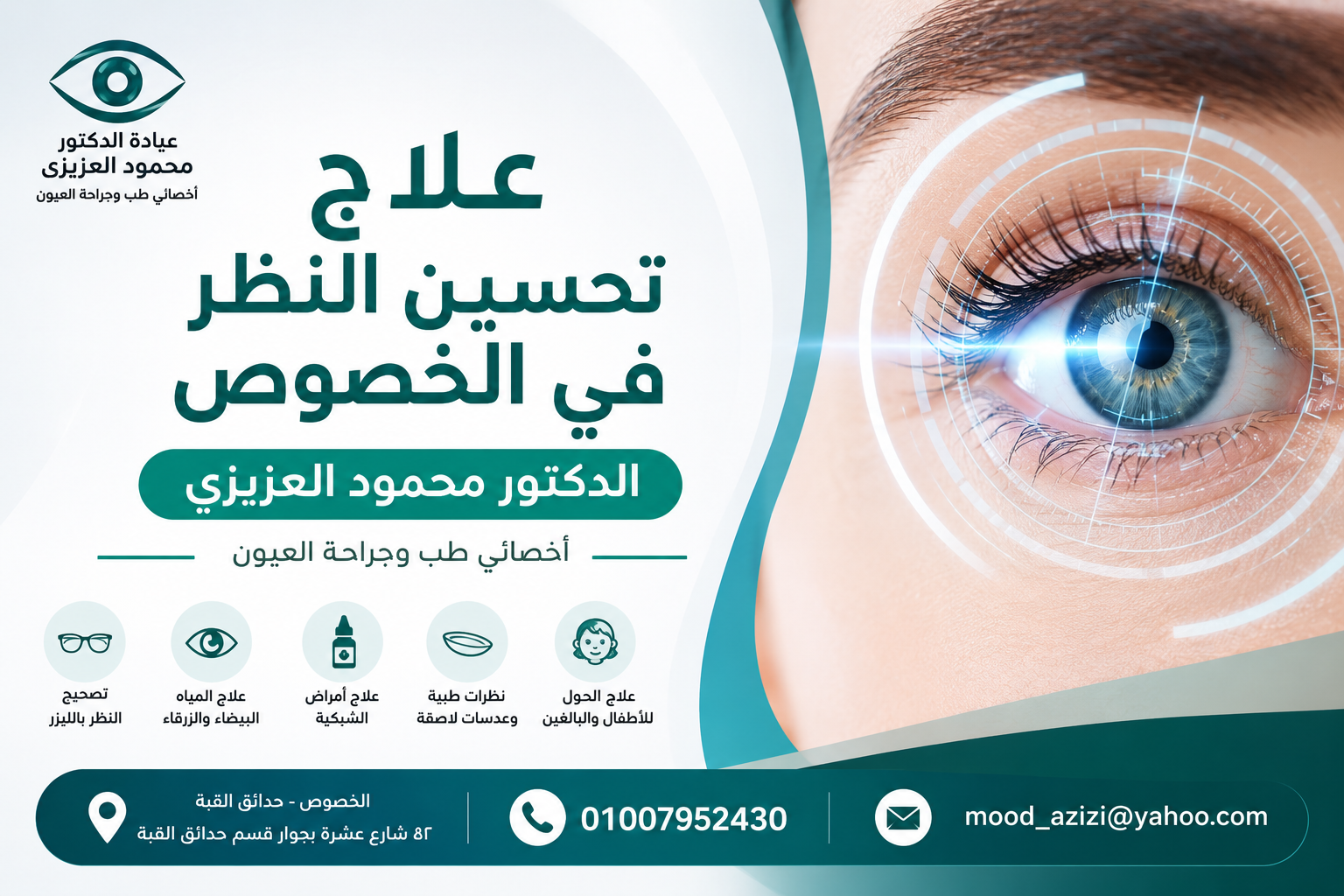
Looking for vision improvement treatment in El Khusus? Dr. Mahmoud El-Azizi offers the latest technologies for diagnosing and treating vision problems, including laser vision correction, cataract and glaucoma treatment, with comprehensive eye care using state-of-the-art medical equipment.

With the advancement of colorectal surgery, most cases of anal fistula and pilonidal sinus can now be treated using modern surgical and technological techniques that precisely remove the diseased tissue, minimize pain, accelerate wound healing, and reduce the risk of recurrence.
