
Blood Cancer: Symptoms, Causes and Treatment Options
Could persistent fatigue, frequent infections, or unexplained bruising be signs that deserve medical attention? Blood cancer affects the cells responsible for producing blood in the bone marrow and may interfere with the body's ability to fight infections and produce healthy blood cells. Understanding blood cancer symptoms, causes, and treatment options can help patients recognize potential warning signs and understand the importance of accurate diagnosis and appropriate medical care. Blood cancer includes several types that differ in how quickly they develop and which blood cells they affect. In this article, we explore the types of blood cancer, common symptoms, risk factors, diagnostic tests, available treatments, and the role of prescribed medicine access in comprehensive care.
Vital Medicines Supply and Integrated Care Group – Dr. Mahmoud Ragab
Led by Dr. Mahmoud Ragab, the Vital Medicines Supply and Integrated Care Group provides services related to sourcing essential medicines, according to the group's supplied information. Its stated coverage includes Egypt, Sudan, Saudi Arabia, the United Arab Emirates, and Yemen. Patients and caregivers should confirm medicine availability, product authenticity, prescription requirements, and delivery options in their country before placing an order.
Contact Information
- Founder: Dr. Mahmoud Ragab
- Phone: 01003540816
- WhatsApp: Message the group on WhatsApp
- Facebook: Visit the group's Facebook page
- Email: [email protected]
- Stated coverage: Egypt, Sudan, Saudi Arabia, the UAE, and Yemen
- Working hours in Egypt: 2:00 PM–10:00 PM, according to the supplied information
- Location: View on Google Maps
Medicine dispensing requirements vary by product and country. Patients should verify registration, product source, storage and transport conditions, and prescription requirements. Medicine-supply services do not replace medical care from a qualified hematologist or oncologist.
What Is Blood Cancer?
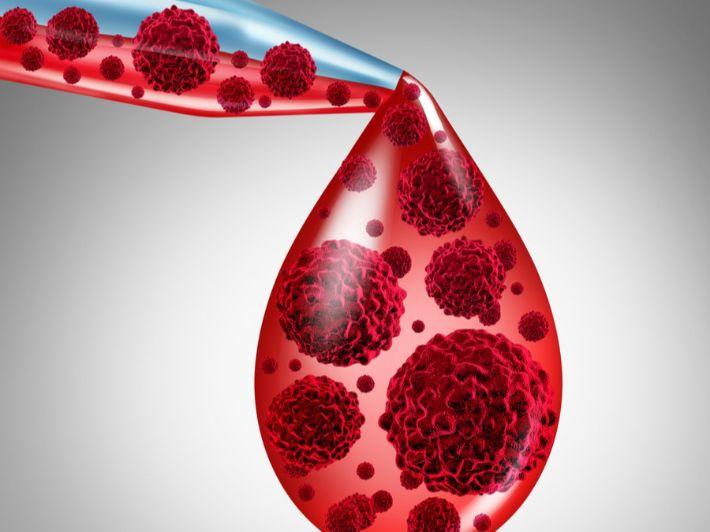
Blood cancer, commonly associated with leukemia, refers to a group of cancers that begin in blood-forming tissues, particularly the bone marrow. The disease develops when certain cells undergo changes that cause them to grow and multiply abnormally.
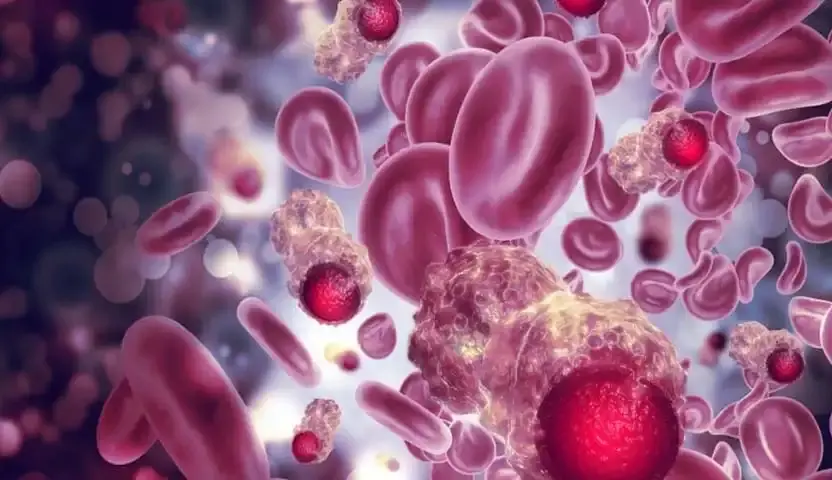
Cancerous cells may accumulate in the bone marrow and interfere with the production of healthy blood cells, including red blood cells that carry oxygen, white blood cells that help fight infections, and platelets that help control bleeding.
As a result, symptoms such as fatigue, pale skin, fever, frequent infections, and easy bruising or bleeding may occur. The effects vary depending on the type of leukemia and how it progresses.
What Are the Types of Blood Cancer?
Leukemia is classified according to the type of blood cell affected and how quickly the disease develops. Four common types are acute lymphoblastic leukemia, acute myeloid leukemia, chronic lymphocytic leukemia, and chronic myeloid leukemia.
1. Acute Leukemia
Acute leukemia generally develops rapidly. Immature abnormal cells multiply and may interfere with the production of healthy blood cells. Suspected or confirmed acute leukemia requires prompt specialist assessment.
The two main types are:
- Acute Lymphoblastic Leukemia (ALL): This type affects immature lymphocytes. It is one of the most common types of leukemia in children, but it can also affect adults.
- Acute Myeloid Leukemia (AML): This type affects cells in the myeloid lineage in the bone marrow. It can occur in adults and becomes more common with increasing age.
2. Chronic Leukemia
Chronic leukemia usually develops more slowly than acute leukemia. Symptoms may be absent or subtle in the early stages, and the condition is sometimes discovered during blood tests performed for other reasons.
The two main types are:
- Chronic Lymphocytic Leukemia (CLL): This type affects lymphocytes and is most often diagnosed in older adults.
- Chronic Myeloid Leukemia (CML): This type affects cells in the myeloid lineage and is often associated with a genetic change known as the Philadelphia chromosome.
Identifying the specific type of leukemia is essential because treatments suitable for one type may not be appropriate for another.
What Are the Symptoms of Blood Cancer?
Blood cancer symptoms vary according to the type and stage of the disease. They may also resemble symptoms of other medical conditions, so symptoms alone cannot confirm a diagnosis.
Common symptoms may include:
- Persistent fatigue and exhaustion: These may result from a low red blood cell count or anemia.
- Pale skin and shortness of breath: These may occur when hemoglobin levels are low.
- Fever and frequent infections: These may be related to abnormal white blood cell counts or function.
- Easy bruising or bleeding: Examples include nosebleeds, bleeding gums, or small red or purple spots on the skin.
- Unexplained weight loss: This may occur with or without reduced appetite.
- Night sweats: These may be recurrent or noticeable.
- Bone and joint pain: This may be associated with changes in the bone marrow.
- Enlarged lymph nodes: Swelling may occur in the neck, armpits, or groin.
- Abdominal discomfort or fullness: This may occur when the spleen or liver becomes enlarged.
Having one of these symptoms does not necessarily mean that someone has blood cancer. However, persistent symptoms or several symptoms occurring together should be medically evaluated. Severe bleeding, acute shortness of breath, or rapid deterioration requires urgent medical attention.
What Causes Blood Cancer and What Are the Risk Factors?
There is no single known cause of all types of blood cancer. The disease develops through genetic changes that affect how cells grow and divide, but these changes cannot always be linked to a specific identifiable cause.
Factors associated with an increased risk of certain types of leukemia include:
- Age: Some types become more common with age, while others are more common in children.
- High levels of ionizing radiation: Exposure may increase the risk of certain types of leukemia.
- Benzene exposure: Exposure to benzene is associated with an increased risk of some blood cancers.
- Smoking: Smoking is a known risk factor for acute myeloid leukemia.
- Previous cancer treatment: Certain chemotherapy or radiation treatments may increase the risk of developing specific types of leukemia later.
- Some inherited conditions and blood disorders: These may increase the risk of particular types of leukemia.
Having a risk factor does not mean that a person will inevitably develop blood cancer. Many people diagnosed with leukemia have no clearly identifiable risk factors.
How Is Blood Cancer Diagnosed?
Diagnosis generally involves a review of medical history and symptoms, a physical examination, and laboratory tests selected by the treating clinician.
Complete Blood Count (CBC)
A complete blood count measures red blood cells, white blood cells, and platelets. Abnormal results may indicate the need for further investigation, but a CBC alone cannot confirm or rule out every type of leukemia.
Bone Marrow Examination
A bone marrow aspiration or biopsy may be performed to examine the cells and identify abnormal changes. This test is important in diagnosing and classifying many types of leukemia.
Immunological and Genetic Tests
Specialized tests can help identify the specific leukemia subtype and detect genetic or chromosomal changes that may influence treatment decisions.
Additional Tests
Depending on the patient's symptoms and initial findings, clinicians may request liver and kidney function tests, assessments for complications, or imaging studies when appropriate.
What Are the Treatment Options for Blood Cancer?
Treatment depends on the type of leukemia, the characteristics of the cancer cells, the patient's age and overall health, and the results of diagnostic tests. A hematologist or oncologist determines the most appropriate treatment plan, which may involve one treatment or a combination of approaches.
Chemotherapy
Chemotherapy uses medicines that target cancer cells and limit their growth or destroy them. It is an important treatment for several types of leukemia, particularly some acute forms.
Targeted Therapy
Targeted therapy focuses on specific proteins or genetic changes that help cancer cells grow. It may be suitable for certain types of leukemia when supported by the patient's test results.
Immunotherapy
Immunotherapy uses treatments that help the immune system recognize and attack cancer cells. It is used for selected types of leukemia and specific clinical situations.
Stem Cell Transplantation
A blood-forming stem cell transplant may be an option for selected patients, particularly when intensive treatment is required or the risk of relapse is high. The decision depends on the leukemia subtype, response to treatment, and the patient's suitability for transplantation.
Supportive Care and Follow-Up
Patients may need red blood cell or platelet transfusions, treatment for infections, or medicines to manage symptoms and side effects. Some people with certain chronic leukemias may be monitored regularly before treatment begins if their clinical condition allows it.
Patients should never start, stop, or change the dose of a cancer medicine without consulting their treating medical team.
Why Is Access to Prescribed Medicines Important for Blood Cancer Patients?
Blood cancer treatment may involve specialized medicines that require a prescription and careful medical supervision. Patients and caregivers may need help identifying the correct medicine and confirming its availability.
The Vital Medicines Supply and Integrated Care Group can be contacted to inquire about the availability of a specific medicine, based on the group's stated services. Before placing an order, patients should verify the medicine's name, strength, dosage form, source, storage and transport requirements, and whether its supply is permitted in their country.
Patients should also verify that the medicine is registered with the relevant regulatory authority and supplied through authorized channels. Availability and suitability cannot be guaranteed without checking the specific product and the patient's requirements.
Can Blood Cancer Be Cured?
Recovery and treatment outcomes vary from person to person. They depend on the leukemia subtype, genetic characteristics of the cancer cells, the patient's age and general health, and the response to treatment.
Some patients achieve remission, meaning that the disease is no longer detectable according to the relevant medical criteria. Remission may last for a long time, while other patients may need ongoing treatment or long-term monitoring because the disease can return.
Individual outcomes cannot be predicted from the disease name alone. Patients should discuss their prognosis with their treating specialist after reviewing their test results and treatment plan.
When Should You Consult a Doctor?
Medical evaluation is recommended for persistent unexplained fatigue, frequent infections, unexplained bruising or bleeding, or unintended weight loss, especially when several symptoms occur together.
If blood tests show abnormal results, a clinician may recommend further investigations to determine the cause. Early assessment can help establish an accurate diagnosis and guide the next steps.
Frequently Asked Questions About Blood Cancer
Can blood cancer affect both children and adults?
Yes. Blood cancer can affect people of all ages, although the most common types differ by age group. Acute lymphoblastic leukemia is common in children, while some chronic types are more common in older adults.
Can a blood test detect blood cancer?
A complete blood count may reveal abnormalities that raise suspicion of leukemia. However, confirming the diagnosis may require additional tests, including bone marrow examination and specialized immunological or genetic testing.
Do all types of blood cancer require immediate treatment?
No. Some acute leukemias require prompt treatment after diagnosis, while selected chronic leukemias may be monitored before treatment begins if the specialist determines that this is appropriate.
Can I ask Dr. Mahmoud Ragab's group about blood cancer medicines?
You can contact the group to inquire about the availability and supply requirements of a specific medicine. Always verify the product's source, registration, storage conditions, and dispensing requirements, and follow your treating clinician's instructions.
Conclusion
Blood cancer includes several diseases that differ in their symptoms, progression, and treatment options. Recognizing possible warning signs, such as persistent fatigue, frequent infections, and unexplained bleeding, can help people understand when medical evaluation is needed.
Treatment depends on the specific leukemia subtype and diagnostic findings. Options may include chemotherapy, targeted therapy, immunotherapy, stem cell transplantation, supportive care, and ongoing monitoring.
For inquiries about the services offered by the Vital Medicines Supply and Integrated Care Group, contact Dr. Mahmoud Ragab through WhatsApp or the group's Facebook page. Always follow your treating medical team's instructions when obtaining or using medicines.