Blood spots in the eye: A guide to knowing when they are serious and when they are harmless
A sudden red spot in the white of the eye is often alarming but usually harmless. Learn the causes, risk groups, warning signs, and proper medical care.
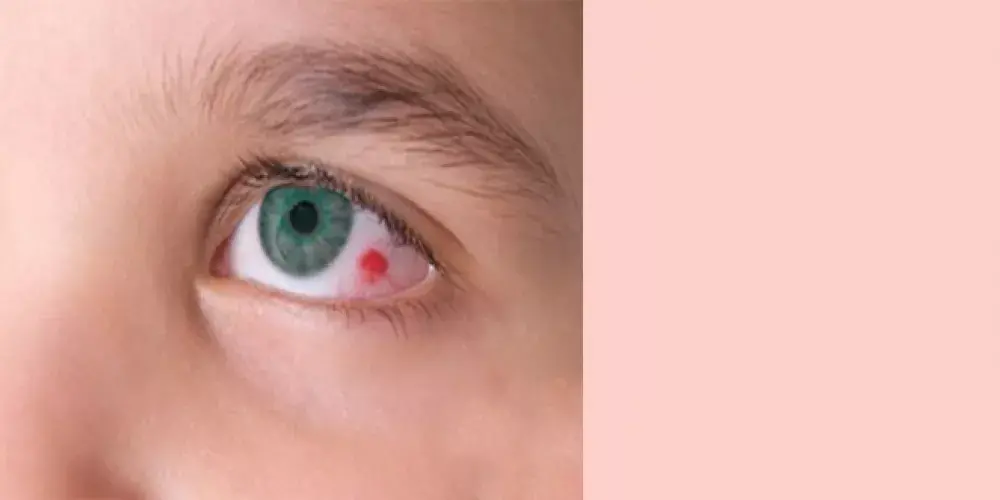
Some people wake up to find a bright red spot in the white of their eye, which can be alarming. The most common cause is a subconjunctival hemorrhage, occurring when a small blood vessel beneath the transparent layer of the eye ruptures, allowing blood to collect on the surface.
This condition is usually painless and does not affect vision. The red spot appears flat and well-defined, often triggered by temporary pressure increases from coughing, sneezing, vomiting, rubbing the eyes, or lifting heavy objects.
Higher risk groups include adults over 50, people with high blood pressure, diabetes, clotting disorders, contact lens users, and women during childbirth.
Medical attention is recommended if the redness is accompanied by pain, blurred vision, light sensitivity, occurs after trauma, or happens repeatedly without a clear cause.
In most cases, the bleeding resolves on its own within days to two weeks, with the color gradually changing. Artificial tears or cold compresses can ease discomfort. Eye-redness drops and blood-thinning medications require caution and consultation with a doctor.

Regular health screening is one of the most important steps to maintain good health and detect diseases early. The essential medical checkups for every age help in preventing complications and ensuring a healthier life.

Many people, after doing medical tests, receive their results and immediately start looking at numbers and unfamiliar terms like (High – Low – Normal) without fully understanding what they actually mean.

When dealing with medical services, many people come across different titles for doctors such as “Specialist” and “Consultant”, which can sometimes create confusion about what each title actually means and how they differ from each other.

Choosing the right time to visit a doctor is not a random decision. It can directly affect how quickly a condition is diagnosed and how effective the treatment will be. Many people delay visiting a doctor or go at the wrong time, which may lead to worsening symptoms or delayed care.
