
Blood Tests: What Do They Reveal About Your Health? and Their Importance in Early Disease Detection
Introduction
Blood tests are among the most important basic medical examinations used by doctors to assess overall health and detect a wide range of diseases. They provide a comprehensive picture of body functions and help identify health problems in their early stages before they become more serious.
What is a Blood Test?
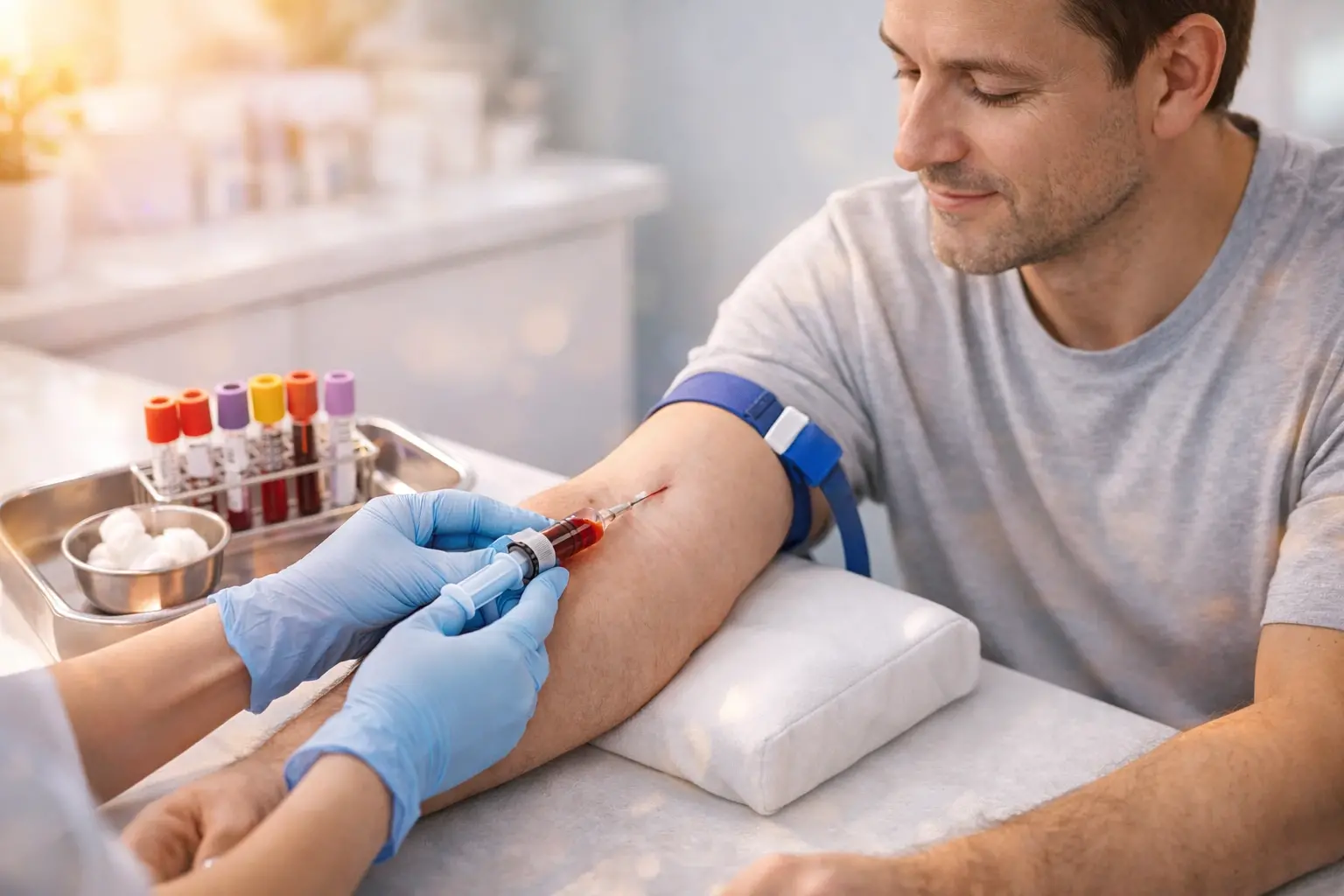
A blood test is a medical procedure in which a small sample of blood is taken and analyzed in a laboratory to measure different components such as red and white blood cells, platelets, blood sugar levels, fats, and vital organ functions.
What Do Blood Tests Reveal?
Blood tests can provide valuable information about the body’s health, including:
- Anemia by measuring hemoglobin and red blood cells.
- Infections and inflammation through white blood cell count.
- Immune system disorders.
- Blood sugar levels and diabetes diagnosis.
- Liver and kidney function.
- Cholesterol and blood lipid levels.
- Vitamin and mineral deficiencies such as iron and vitamin B12.
Common Types of Blood Tests
- Complete Blood Count (CBC): measures the main components of blood.
- Blood Sugar Test: used to detect or monitor diabetes.
- Lipid Profile: measures cholesterol and triglycerides levels.
- Liver Function Tests: evaluate liver health.
- Kidney Function Tests: assess how well the kidneys filter blood.
When Do You Need a Blood Test?
A doctor may request a blood test in several cases such as:
- Persistent fatigue and weakness.
- Unexplained weight loss or gain.
- Dizziness or frequent headaches.
- Monitoring chronic diseases like diabetes and hypertension.
- Before surgery or during routine health check-ups.
Importance of Blood Tests in Early Diagnosis
Blood tests help detect diseases at an early stage, which improves treatment outcomes and increases recovery chances. They are also used to monitor treatment effectiveness and track health improvements over time.
Are Blood Tests Accurate?
Yes, blood tests are considered highly accurate. However, results should always be interpreted by a qualified doctor, as values may be influenced by factors such as age, diet, and medications.
Tips Before Doing a Blood Test
- Fast for 8–12 hours for tests like glucose and lipid profile when required.
- Avoid fatty foods before testing.
- Inform your doctor about any medications you are taking.
- Drink enough water unless fasting is strictly required.
Conclusion
Blood tests are essential tools for understanding overall health. They help in early detection of diseases and monitoring vital body functions. Regular testing plays an important role in prevention and maintaining long-term health.