Blushing: Why Your Face Turns Red and Its Social Benefits
Blushing isn’t just a physical reaction—it has social significance, signaling honesty and awareness of mistakes, and helping to strengthen human connections.
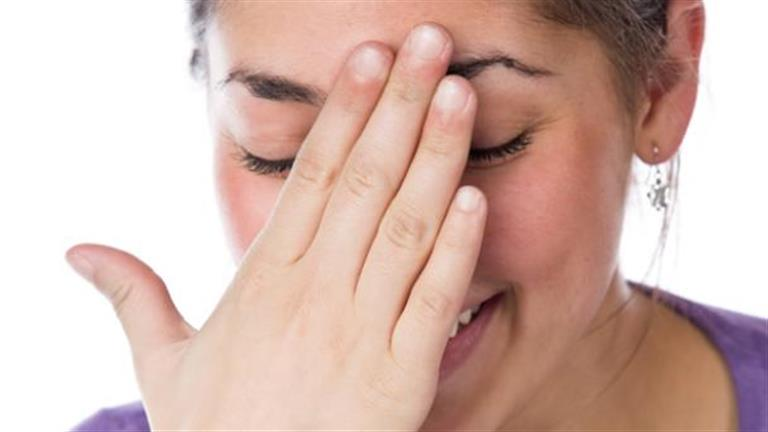
When people feel embarrassed or shy, their faces often turn red. This reaction occurs due to the activation of the sympathetic nervous system, which releases adrenaline, causing the blood vessels in the face to expand and increase blood flow, resulting in the familiar warmth and redness.
Blushing is more noticeable in fair-skinned individuals, while in darker skin tones it may be less visible, though the sensation of warmth remains.
Scientists suggest that blushing has important social functions. It acts as a nonverbal signal of acknowledging a mistake or feeling embarrassment, which can build trust and improve social bonds. Blushing can also serve as a silent apology after a social misstep, helping maintain positive relationships and fostering smoother interactions between people.

Regular health screening is one of the most important steps to maintain good health and detect diseases early. The essential medical checkups for every age help in preventing complications and ensuring a healthier life.
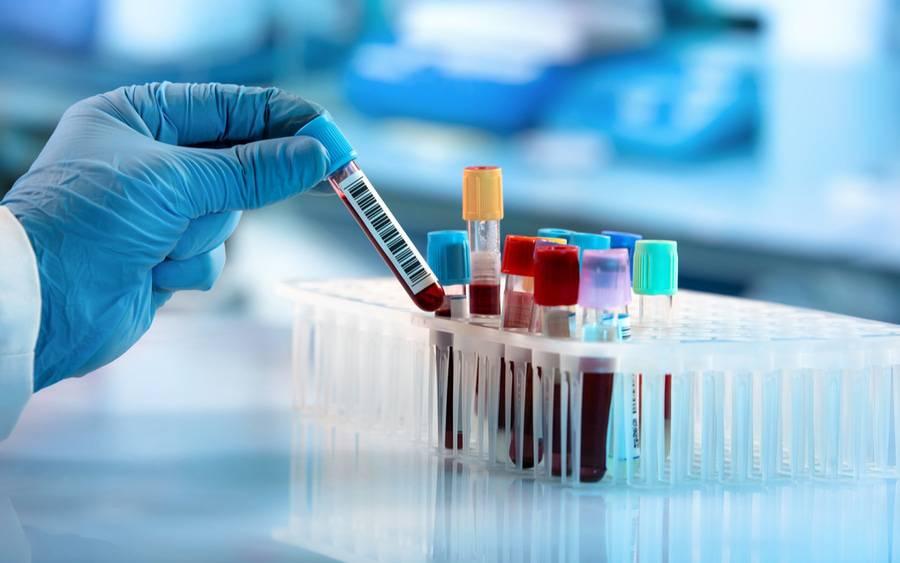
Many people, after doing medical tests, receive their results and immediately start looking at numbers and unfamiliar terms like (High – Low – Normal) without fully understanding what they actually mean.

When dealing with medical services, many people come across different titles for doctors such as “Specialist” and “Consultant”, which can sometimes create confusion about what each title actually means and how they differ from each other.

Choosing the right time to visit a doctor is not a random decision. It can directly affect how quickly a condition is diagnosed and how effective the treatment will be. Many people delay visiting a doctor or go at the wrong time, which may lead to worsening symptoms or delayed care.
