Brain, Nervous System, and Spine: Functions, Diseases, Treatment, and Prevention
Introduction
The brain, nervous system, and spinal column are among the most vital systems in the human body. They are responsible for controlling nearly all body functions such as movement, sensation, thinking, memory, and breathing.
Any disorder affecting this system can lead to serious health problems that significantly impact daily life. Therefore, early diagnosis and prompt treatment play a crucial role in reducing complications.
What is the Nervous System?
The nervous system is a complex network that transmits signals between the brain and the rest of the body. It is divided into:
Central Nervous System: which includes the brain and spinal cord
Peripheral Nervous System: which includes all nerves throughout the body
Its main function is to regulate movement, sensation, reflex actions, and control vital organs.
The Brain: The Main Control Center
The brain is the most complex organ in the human body, responsible for:
Thinking and memory
Emotions and behavior
Movement control
Regulating heart and breathing functions
Any injury to the brain can significantly affect speech, movement, or cognition.
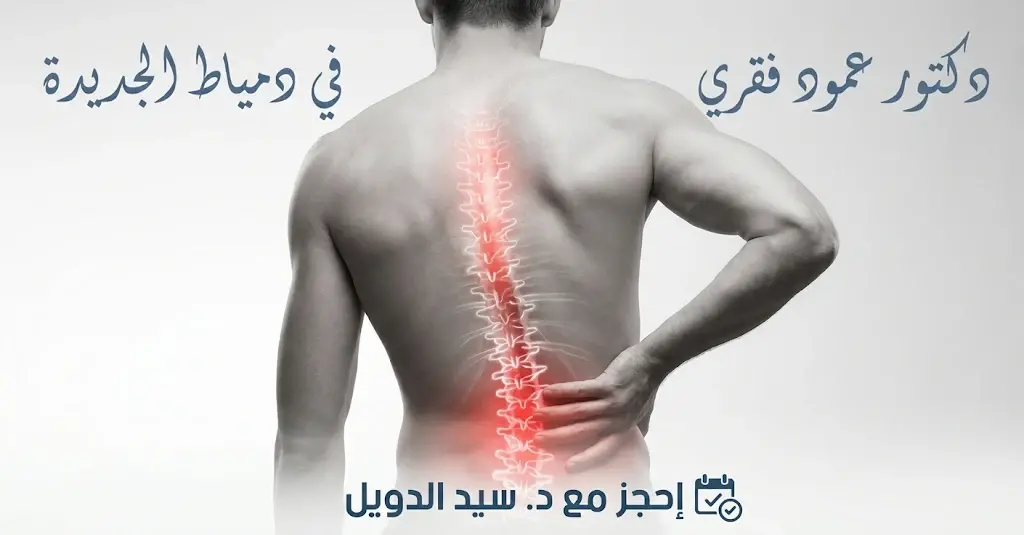
The Spine: Support and Protection
The spinal column is a structure made of connected vertebrae, and it has two main functions:
Protecting the spinal cord
Supporting the body and maintaining balance
Between the vertebrae are discs that act as shock absorbers and allow flexible movement.
Most Common Brain, Nerve, and Spine Diseases
1. Stroke
Occurs when blood flow to the brain is interrupted, leading to rapid brain cell damage.
2. Epilepsy
A neurological disorder that causes recurrent seizures due to abnormal electrical activity in the brain.
3. Multiple Sclerosis
An autoimmune disease that affects the nerves and disrupts communication between the brain and body.
4. Herniated Disc
Occurs when spinal discs press on nearby nerves, causing severe pain and numbness.
5. Sciatica
Pain that travels from the lower back down to the leg due to compression of the sciatic nerve.
Symptoms of Brain, Nerve, and Spine Disorders
Persistent or severe headache
Back or neck pain
Numbness or weakness in limbs
Difficulty with movement or balance
Memory or speech problems
Seizures or loss of consciousness
Causes of Nervous System Diseases
Genetic factors
Injuries and accidents
Infections
Poor posture for long periods
Chronic diseases such as diabetes and hypertension
Diagnosis Methods
Doctors use several tools to diagnose conditions such as:
MRI scans
CT scans
Neurological examination
EMG (nerve and muscle testing)
Blood tests
Treatment Methods
Treatment depends on the condition and may include:
Pain relievers and anti-inflammatory medications
Physical therapy and rehabilitation
Surgical intervention in some cases
Lifestyle changes and reducing physical strain
Prevention Tips
Maintain proper posture
Exercise regularly
Avoid improper heavy lifting
Control chronic diseases
Eat a balanced healthy diet
Avoid smoking
When to See a Doctor?
Seek medical attention immediately if you experience:
Sudden severe headache
Loss of movement in limbs
Difficulty speaking or understanding
Severe and persistent back pain
Seizures or fainting episodes
Conclusion
The brain, nervous system, and spine form a unified system that controls all body functions. Any issue affecting this system should not be ignored, as early diagnosis helps in effective treatment and reduces complications, improving overall quality of life.