
Breast Tumor Surgery in Tukh | Dr. Mohamed Mansour Kamel Clinic
Finding a breast lump can be worrying, particularly when there is concern that it may be a tumor requiring surgery. However, not every breast lump is cancerous, and some benign lumps do not require surgery. Choosing the appropriate treatment begins with a medical examination and the necessary investigations to determine the nature of the lump. Dr. Mohamed Mansour Kamel’s clinic in Tukh can be contacted for appointment inquiries and information about the appropriate steps for assessment. Treatment decisions should be based on the examination findings and diagnosis.
📍 Clinic Address and Contact Information
Qatar Street, off Alexandria Bank Street, opposite Zahran Amusement Park, Tukh, Egypt.
📞 For inquiries and appointments: 01013313265
What Are Breast Tumors?
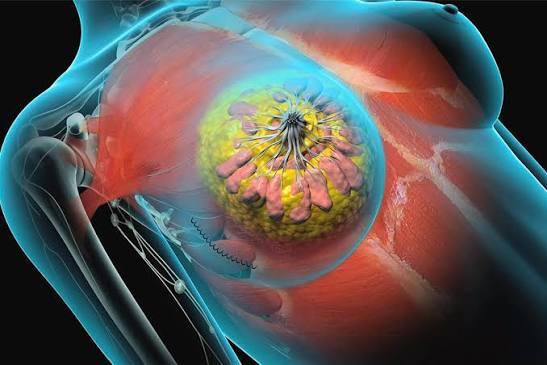
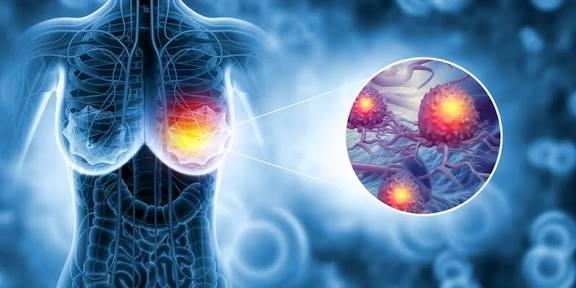
Breast tumors are lumps or changes in breast tissue that may be benign or malignant. Their nature cannot be determined by size or texture alone.
Benign lumps include certain cysts and non-cancerous tissue growths, while some other lumps may be associated with breast cancer. The appropriate approach depends on the nature of the lump, investigation results, symptoms, and other factors assessed by the doctor.
A newly discovered lump or unusual breast change should therefore be medically assessed rather than automatically assumed to be benign or malignant. After the examination and appropriate investigations, the doctor can determine whether monitoring, a biopsy, or surgery may be needed.
When Is Surgery Needed for a Breast Tumor?
Not every breast lump requires surgery. The decision depends on the diagnosis, investigation results, and the nature of the symptoms.
Surgery may be recommended for confirmed breast cancer to remove the tumor according to the treatment plan. Some benign lumps may also be removed if they cause symptoms or there are medical reasons to do so.
In other situations, monitoring or additional investigations may be more appropriate than immediate surgery. The presence of a lump alone is not enough to determine that surgery is necessary. Its nature and the potential benefit of removal must first be assessed.
Discussing the available options with the doctor helps clarify the purpose of surgery, its potential benefits and risks, and the alternatives that may be appropriate.
What Tests May Be Needed Before Breast Tumor Surgery?
Preoperative investigations help identify the nature of a lump and determine whether surgery may be necessary. The tests selected depend on the patient's age, symptoms, and initial examination findings.
Assessment may include:
-
Clinical breast examination: To evaluate the lump's location, size, and associated changes.
-
Breast ultrasound: To help assess the lump and distinguish certain solid masses from fluid-filled cysts.
-
Mammography: When appropriate for the patient's age, symptoms, and clinical assessment.
-
Biopsy: When tissue examination is needed to determine the nature of a change, particularly when examination or imaging findings warrant it.
Examination of a tissue sample by a pathologist is essential for confirming a diagnosis of cancer when it is suspected. Further tests may be required depending on the results.
Having imaging or a biopsy does not mean that a patient has cancer. These investigations help establish an accurate diagnosis and guide treatment decisions.
What Are the Types of Breast Tumor Surgery?
The type of surgery depends on the tumor's nature, size, location, extent, and investigation results, as well as the patient's general health and preferences after discussing the available options.
Breast-Conserving Surgery
Breast-conserving surgery, also known as a lumpectomy or partial mastectomy, removes the tumor along with a margin of surrounding tissue while preserving as much of the remaining breast as possible.
This procedure may be suitable for some breast cancer cases. Selection depends on factors such as tumor size and location, the number of affected areas, and whether the required additional treatment can be completed.
Radiation therapy is commonly recommended after breast-conserving surgery when indicated. Surgery should therefore be considered as part of the overall treatment plan rather than necessarily as the only treatment.
Mastectomy
In some cases, the doctor may recommend a mastectomy, which involves removing the breast tissue. The decision depends on the tumor's characteristics and whether other surgical options are suitable.
Mastectomy is not automatically the best choice for every person with breast cancer. The decision requires an individual assessment and discussion of alternatives, benefits, and risks with the treating team.
Breast reconstruction may be an option for some patients. It can be discussed before surgery and may be performed at the same time or at a later stage, depending on the patient's circumstances, preferences, and available treatment options.
Lymph Node Assessment
Surgery may also include assessment of certain lymph nodes under the arm, such as a sentinel lymph node biopsy, or other procedures when necessary. These procedures help determine whether there is evidence of cancer in the lymph nodes.
Not every patient needs complete removal of the underarm lymph nodes. The appropriate procedure depends on the tumor, assessment results, and treatment plan.
How Should Patients Prepare for Breast Tumor Surgery?
Preparation depends on the type of operation and the patient's general health. It may involve reviewing medical reports, investigations, current medications, and any tests requested by the treating team.
Patients should inform the doctor about chronic conditions, medication allergies, and medicines that may affect bleeding or anesthesia. Prescribed medication should not be stopped without medical instructions.
It is also helpful to discuss the purpose of the operation, possible alternatives, expected recovery, and whether additional treatment—such as radiation or medication—may be needed afterward.
Proper preparation allows patients to understand the stages of treatment and raise concerns before making a decision.
What Happens After Breast Tumor Surgery?
Recovery depends on the type and extent of surgery and the patient's general condition. Follow-up may include checking wound healing, managing pain or swelling, and reviewing the pathology report for the removed tissue.
The final pathology results help characterize the tumor and determine whether further treatment is needed. Depending on the diagnosis, stage, and tumor characteristics, some patients may require additional treatments, including radiation therapy or medication.
It is important to follow wound-care instructions, attend scheduled appointments, and report unusual symptoms such as fever, increasing redness, or discharge from the wound.
Medical review is also important if swelling increases, severe pain develops, or other symptoms arise that the treating team has identified as requiring assessment.
What Breast Changes Should Be Checked by a Doctor?
It is important to pay attention to new or unusual breast changes, including:
-
A new lump in the breast or armpit.
-
A noticeable change in breast size or shape.
-
A newly inverted nipple.
-
Unusual skin dimpling or other skin changes.
-
Nipple discharge, especially if bloody.
-
Persistent skin changes or a wound in the breast area that does not heal.
These changes do not necessarily indicate cancer, but they need medical assessment to identify the cause. The absence of pain does not rule out a problem, so a new or persistent change should not be ignored.
Breast Tumor Surgery in Tukh with Dr. Mohamed Mansour Kamel
If you need information about evaluating a breast lump or wish to inquire about procedures related to breast tumor surgery, you can contact Dr. Mohamed Mansour Kamel’s clinic in Tukh to ask about appointments and the appropriate steps for assessment.
Medical evaluation helps determine the nature of the lump and whether monitoring, additional investigations, or surgery may be appropriate.
📍 Address: Qatar Street, off Alexandria Bank Street, opposite Zahran Amusement Park, Tukh, Egypt.
📞 For inquiries and appointments: 01013313265
Frequently Asked Questions About Breast Tumor Surgery
Does every breast lump require surgery?
No. Some lumps are benign and do not require surgery, while others may need an intervention depending on the diagnosis, symptoms, and investigation findings.
Does removing a breast tumor mean removing the entire breast?
No. Breast-conserving surgery removes the tumor and a margin of surrounding tissue, while a mastectomy removes the breast tissue in selected cases.
Does having a breast biopsy mean that the patient has cancer?
No. A biopsy is performed to determine the nature of a lump. The findings may be benign or may indicate the need for further assessment and treatment.
Is additional treatment needed after breast tumor surgery?
Some patients may need radiation therapy or medication after surgery. The decision depends on the pathology results, tumor characteristics, and stage.
How can I arrange an appointment at Dr. Mohamed Mansour Kamel’s clinic in Tukh?
You can call 01013313265 for appointment inquiries.
Conclusion
Breast tumor surgery in Tukh depends on accurately identifying the nature of a lump and determining whether surgery is necessary. Not every breast lump is cancerous or requires removal, and surgical options vary according to the tumor's characteristics and the patient's health.
Appropriate investigations and discussion with the treating doctor help patients make informed decisions. Follow-up after surgery and completion of any additional recommended treatment are also important parts of care.