Cold Extremities in Winter: A Normal Reaction or a Hidden Health Warning?
Cold hands and feet are common during winter, but persistent or severe coldness may point to underlying health conditions that require medical attention.
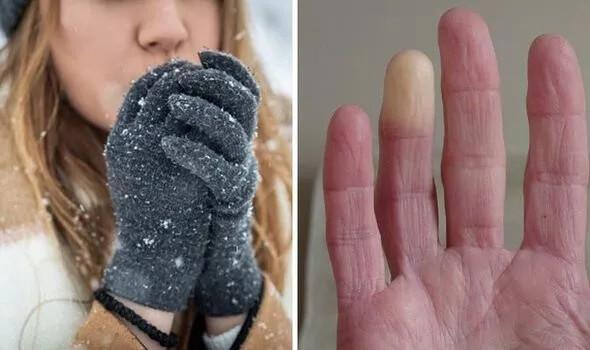
As temperatures drop in winter, many people experience cold hands and feet, especially at night. This occurs because the body naturally constricts blood vessels to conserve heat for vital organs such as the heart, brain, and lungs, reducing blood flow to the extremities.
Why Do Hands and Feet Get Cold in Winter?
In cold weather, the body prioritizes core organs by redirecting blood flow. This vascular constriction increases blood pressure and heart rate, forcing the heart to work harder and leaving the hands and feet more vulnerable to cold sensations, particularly in older adults or those with poor circulation.
When Is Coldness Not Normal?
Cold extremities may signal a health issue when the sensation is persistent, intense, or accompanied by other symptoms like skin discoloration, numbness, or pain. Poor heart function or circulatory disorders can prevent adequate blood supply to the extremities, making coldness more noticeable and prolonged.
Medical Conditions Linked to Persistent Cold Extremities
Several health conditions are associated with chronically cold hands and feet, including:
-
High or low blood pressure.
-
Peripheral artery disease, which restricts blood flow to the legs and feet.
-
Certain cardiovascular disorders.
Non-cardiac causes may also contribute, such as thyroid dysfunction, diabetes, anemia, and chronic stress or anxiety.
Raynaud’s Phenomenon: When Cold Becomes a Warning
Raynaud’s phenomenon is a common cause of cold extremities, leading to white or blue discoloration of fingers or toes in response to cold exposure. This happens due to extreme sensitivity of small blood vessels, temporarily blocking blood flow, followed by redness and pain as circulation returns.
When Should You See a Doctor?
Medical advice is recommended if hands or feet remain cold even in warm environments, or if symptoms such as pale or bluish skin, tingling, numbness, pain, or leg ulcers appear, as these may indicate a more serious condition.
Practical Tips to Prevent Cold Extremities
To improve circulation and keep extremities warm during winter:
-
Wear insulated gloves and socks, avoiding direct contact with heat sources.
-
Engage in regular physical activity to stimulate blood flow.
-
Follow a heart-healthy diet and quit smoking.
-
Manage stress levels, especially for those with Raynaud’s phenomenon.

Regular health screening is one of the most important steps to maintain good health and detect diseases early. The essential medical checkups for every age help in preventing complications and ensuring a healthier life.
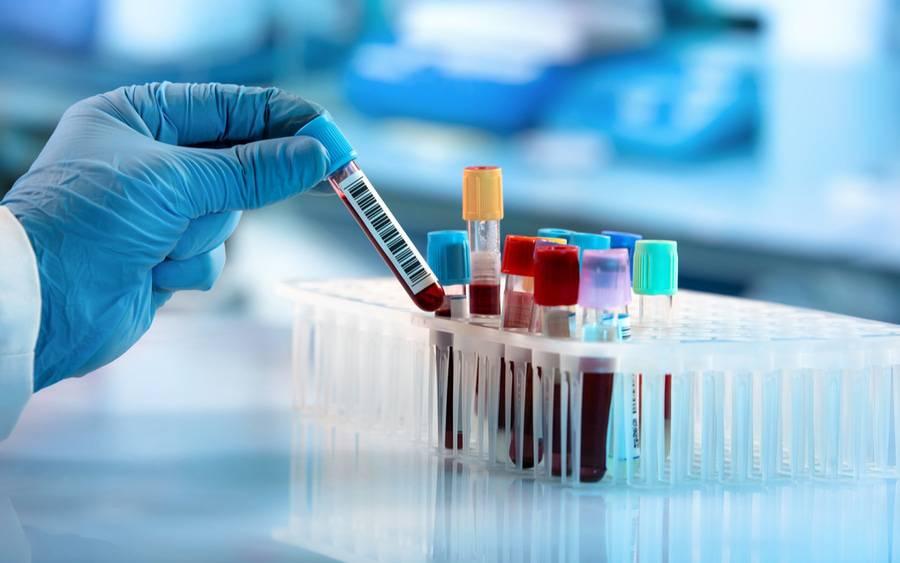
Many people, after doing medical tests, receive their results and immediately start looking at numbers and unfamiliar terms like (High – Low – Normal) without fully understanding what they actually mean.

When dealing with medical services, many people come across different titles for doctors such as “Specialist” and “Consultant”, which can sometimes create confusion about what each title actually means and how they differ from each other.

Choosing the right time to visit a doctor is not a random decision. It can directly affect how quickly a condition is diagnosed and how effective the treatment will be. Many people delay visiting a doctor or go at the wrong time, which may lead to worsening symptoms or delayed care.
