
Can Anxiety Cause Heart Problems? A Comprehensive Guide to Understanding the Link Between Stress and Heart Health
Introduction
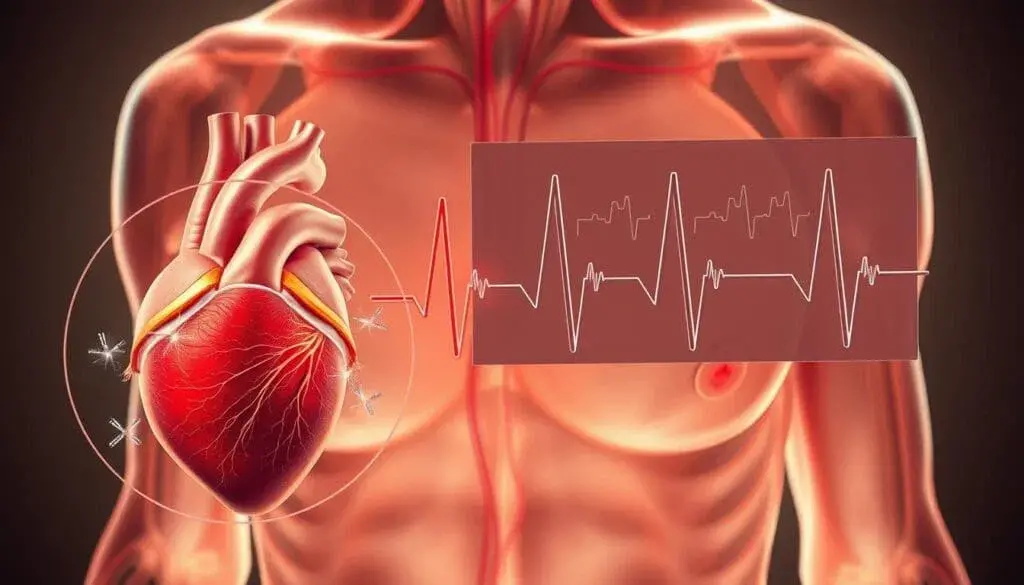
With the fast pace of modern life and increasing daily pressures, anxiety has become a common part of many people’s lives. When physical symptoms such as heart palpitations or shortness of breath appear, a more serious concern arises: is this just a psychological issue, or a sign of a heart problem? This is why the question keeps coming up: does anxiety affect the heart?
The answer is not a simple yes or no. It depends on the nature, duration, and impact of anxiety on the body. In this article, we will explain the relationship between anxiety and heart health in a clear, scientific way, helping you understand when it is normal and when medical attention is needed.
How Does the Body React to Anxiety?
When you feel anxious or stressed, your body triggers an immediate response known as the “fight or flight” response. This response is designed to protect you in dangerous situations, but it can also be activated during everyday stress such as work pressure or overthinking.
During this response, the body releases hormones like adrenaline and cortisol, leading to several physiological changes, including:
Increased heart rate
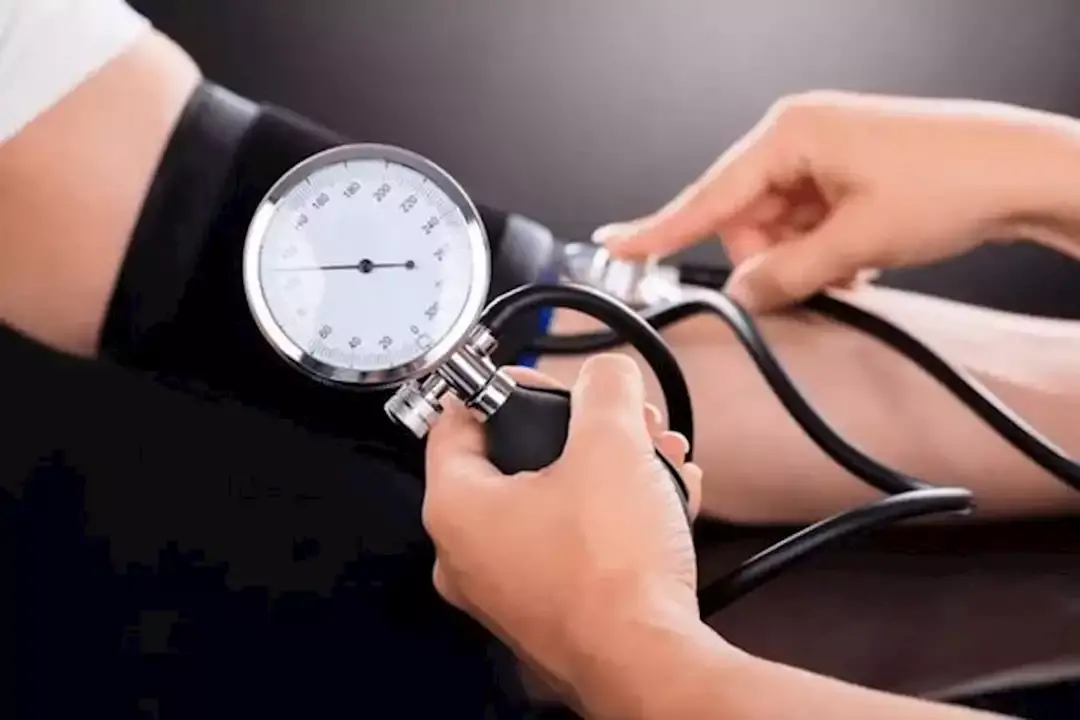
Temporary rise in blood pressure
Faster breathing
Muscle tension
These changes are normal and temporary, but the problem arises when anxiety becomes chronic and persists for long periods without relief.
Does Anxiety Harm the Heart in the Long Term?
In short-term situations, anxiety does not pose a direct danger to the heart. However, when it becomes chronic, it can have an indirect impact on heart health.
Chronic anxiety may lead to:
Persistent high blood pressure
Increased risk of irregular heartbeats
Poor sleep quality, which affects heart health
Unhealthy habits such as smoking or overeating
All of these factors combined can increase the risk of heart disease over time, especially if anxiety is not properly managed.
Anxiety Symptoms That Mimic Heart Problems
One of the main reasons for concern is that anxiety symptoms can closely resemble those of heart conditions, making it difficult to distinguish between them.
Common symptoms include:
Rapid or strong heart palpitations
Chest pain or pressure
Shortness of breath
Dizziness or feeling unbalanced
Excessive sweating
These symptoms often appear suddenly during anxiety or panic attacks and gradually fade as the stress subsides.
How to Differentiate Between Anxiety and Real Heart Problems?
Despite the similarities, there are some general differences that may help distinguish between them:
Anxiety-related symptoms often:
Appear suddenly during stress or overthinking
Are intermittent and improve with relaxation
Are accompanied by negative thoughts or intense fear
In contrast, real heart-related symptoms:
May last longer
Worsen with physical exertion
May spread to the arm, jaw, or back
Do not easily improve with rest
However, these differences are not definitive, and self-diagnosis is not reliable. When in doubt, medical evaluation is always the safest option.
Can Anxiety Cause Heart Attacks?
Anxiety alone does not directly cause heart attacks in healthy individuals. However, in some cases—especially in people with pre-existing heart conditions—severe stress can increase the burden on the heart.
There is also a rare condition known as “broken heart syndrome,” which occurs due to intense emotional stress and causes symptoms similar to a heart attack. Although it is usually treatable, it highlights the real connection between mental and heart health.
When Should You See a Doctor?
It is important not to ignore symptoms, especially if they are recurring or unusual. You should seek medical attention if you experience:
Persistent or severe chest pain
Sudden shortness of breath
Irregular and ongoing heart palpitations
Severe dizziness or fainting
Medical reassurance not only reduces anxiety but also helps detect any potential issues early.
How to Reduce the Impact of Anxiety on Your Heart?
Managing anxiety effectively improves both mental well-being and heart health. Here are some helpful steps:
First: Maintain a healthy lifestyle
Get enough sleep, eat a balanced diet, and reduce stimulants like caffeine.
Second: Stay physically active
Exercise helps reduce stress and improves cardiovascular health.
Third: Practice relaxation techniques
Such as deep breathing, meditation, and muscle relaxation exercises.
Fourth: Seek psychological support
In some cases, consulting a mental health professional is essential, especially if anxiety affects daily life.
Conclusion
Anxiety can affect the heart, but usually in an indirect way. The symptoms you experience may be uncomfortable but are not dangerous in most cases. However, ignoring chronic anxiety can lead to health problems over time.
Understanding the connection between anxiety and the body is the first step toward managing it. If there is any doubt about a heart condition, medical evaluation is the safest path to reassurance.