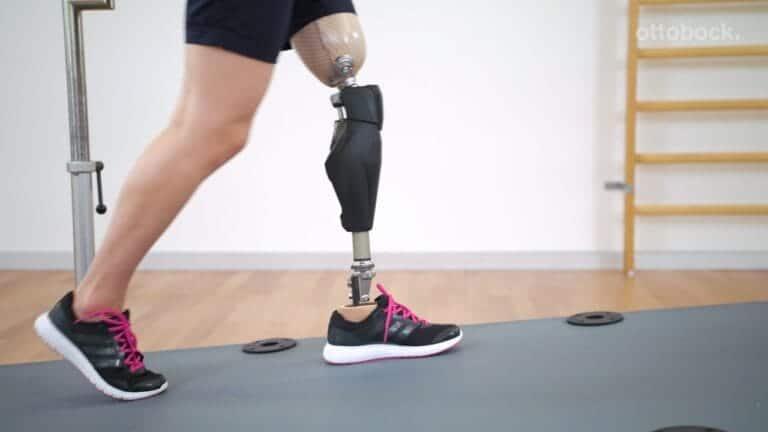

Do Prosthetic Limbs Cause Skin Irritation or Ulcers? Learn About the Most Common Skin and Health Problems and Prevention Methods with Al Abed Prosthetics and Orthotics Center in Mansoura
Have you ever felt pain, itching, or redness at the site of your prosthetic limb after several hours of use? Has daily movement become more difficult due to irritation or skin ulcers?
👉 Many prosthetic users suffer from skin problems such as redness, ulcers, and excessive sweating, which may affect comfort and confidence during movement.
👉 The solution is not limited to treatment only, but starts with choosing a suitable prosthetic limb, continuous follow-up, and proper skin and prosthesis care.
👉 Prosthetic and orthotic services in Mansoura are among the most in-demand services, especially with the growing need for high-quality medical care. Al Abed Prosthetics and Orthotics Center is one of the specialized centers providing integrated solutions that help patients regain movement with maximum comfort and safety.
👉 Improper or poorly fitted prosthetics may cause continuous friction leading to skin infections and health issues that affect quality of life.
👉 Therefore, success depends on accurate assessment, the use of high-quality materials, and continuous medical follow-up.
👉 Al Abed Center provides design, manufacturing, and fitting services for prosthetics and orthotic devices according to the latest standards to ensure the best user experience.
Do Prosthetic Limbs Really Cause Skin Problems?
Yes, prosthetic limbs can cause some skin or health problems if they are not suitable for the patient or not used and maintained properly.
However, these issues are not inevitable. Most of them can be prevented with proper prosthetic selection and regular follow-up with specialists.
Most Common Skin Problems Associated with Prosthetic Limbs
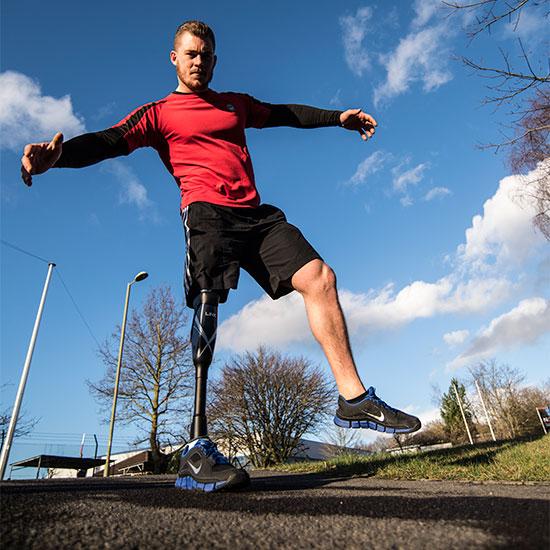
1. Skin Redness
One of the most common issues among prosthetic users, often caused by constant pressure or repeated friction between the skin and the inner socket.
Symptoms:
- Visible skin redness.
- Warm sensation in the area.
- Mild pain during movement.
2. Skin Ulcers
Persistent friction areas may develop into painful ulcers if not treated early.
Causes:
- Improper prosthetic fit.
- Long hours of use without rest.
- Changes in the residual limb size over time.
Risks:
- Difficulty wearing the prosthesis.
- Increased pain during walking.
- Higher risk of infection.
3. Bacterial and Fungal Infections
Sweating and moisture inside the prosthesis create an ideal environment for bacterial and fungal growth.
Symptoms:
- Persistent itching.
- Severe redness.
- Unpleasant odor.
- Skin rash.
4. Skin Allergies
Some individuals may develop allergic reactions to materials used in prosthetic liners or components.
Symptoms:
- Severe itching.
- Skin rash.
- Repeated irritation.
5. Excessive Sweating
Many users experience excessive sweating inside the prosthesis, especially in hot weather.
This may lead to:
- Increased friction.
- Appearance of blisters.
- Higher risk of infection.
Health Problems That May Result from Improper Prosthetic Use
Back Pain
Due to improper weight distribution during walking.
Joint Pain
Especially in the knee and hip joints due to abnormal movement patterns.
Muscle Fatigue
Caused by the body compensating for balance loss during movement.
Difficulty in Movement
If the prosthesis is not designed according to the user’s activity level.
How to Prevent Skin Problems with Prosthetic Limbs
Maintain Skin Hygiene
Clean and dry the skin thoroughly every day before and after using the prosthesis.
Regular Prosthesis Cleaning
Helps reduce bacterial and fungal buildup.
Daily Skin Inspection
To detect redness or irritation early before it worsens.
Use High-Quality Liners
Proper liners reduce friction and improve comfort.
Regular Follow-up
Routine checkups ensure adjustments when needed and maintain comfort.
Do Not Ignore Pain
Any persistent or unusual pain should be checked immediately.
Services of Al Abed Prosthetics and Orthotics Center
The center provides integrated specialized services including:
Prosthetic Limbs
✅ Below-knee and above-knee prosthetics.
✅ Upper limb prosthetics (arm and forearm).
✅ Electronic prosthetics with smart sensors.
✅ Pediatric prosthetics and cerebral palsy cases.
✅ Lightweight prosthetics with flexible joints.
Orthotic Devices
✅ Devices for hemiplegia and quadriplegia.
✅ Posture correction devices.
✅ Polio support devices.
✅ Temporary mobility support devices.
Braces and Medical Shoes
✅ Spine and joint braces.
✅ Diabetic foot medical shoes.
✅ Silicone insoles and cushions.
Additional Services
✅ Home delivery and installation across Egypt.
✅ Maintenance and adjustment services.
✅ Training and rehabilitation for prosthetic use.
✅ Post-fitting medical follow-up.
Features of Al Abed Center
In-house Manufacturing Facility
Equipped with advanced technology for precise prosthetic production.
Custom Design for Each Case
Each prosthesis is designed according to the user’s measurements and needs.
Specialized Medical Team
Includes experts in evaluation, rehabilitation, and follow-up.
Home Service
Installation and delivery available across multiple governorates.
Continuous Follow-up
Regular monitoring to ensure comfort and optimal results.
Why Do Patients Choose Al Abed Center?
- Extensive experience in prosthetics and orthotics.
- Use of advanced materials and technologies.
- High-quality local manufacturing.
- Integrated rehabilitation and training services.
- Fast response and technical support.
- Continuous post-fitting follow-up.
- Customized solutions for each case.
Cases Treated at the Center
- Diabetic foot amputation cases.
- Accident-related amputations.
- Tumor-related amputations.
- Hemiplegia and quadriplegia cases.
- Children with growth imbalance.
- Elderly patients.
- Injured athletes.
Contact Information
Al Abed Prosthetics and Orthotics Center
📍 Address:
El Mansoura – Aga Center – Georgina Street – next to Cairo Bank.
🕙 Working Hours:
10:00 AM to 11:00 PM
📅 Working Days:
Sunday – Monday – Tuesday – Wednesday – Thursday – Saturday
📞 Phone:
01010056304
📱 WhatsApp:
01090955780
🌐 Website:
abed4medical.com
Conclusion
Prosthetic limbs may cause some skin problems such as irritation, ulcers, and infections if not properly selected or used. However, with proper care, regular follow-up, and choosing a specialized center with experience and modern technology, most of these problems can be prevented, allowing users to enjoy a more comfortable, mobile, and independent life.