Can You Get the Flu Vaccine While Having a Cold?
A runny nose or a life-saving shot? Many wonder whether a common cold should delay the flu vaccine—medical guidance offers clarity.
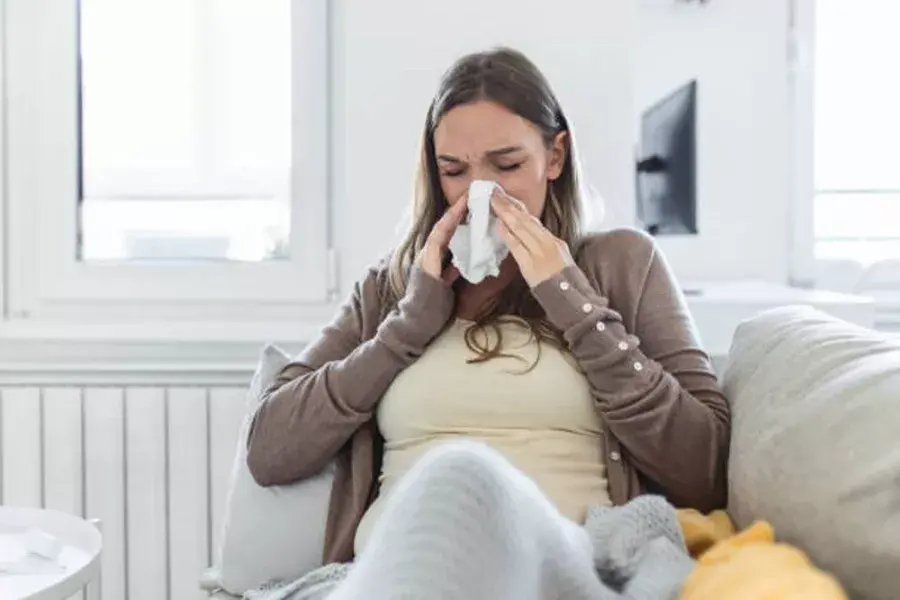
As colder months approach, flu vaccination becomes a critical shield against seasonal illness. Yet many hesitate when mild cold symptoms appear.
Medical guidance confirms that people with mild colds can safely receive the flu vaccine, provided they do not have a fever or severe symptoms.
When Is Vaccination Safe?
The flu shot is generally safe if symptoms include:
-
Runny nose
-
Sneezing
-
Mild cough
-
Sore throat without fever
These symptoms do not weaken the immune system’s response to the vaccine.
When Should Vaccination Be Delayed?
Vaccination should be postponed if there is:
-
Fever
-
Severe fatigue or illness
-
Suspected flu or other viral infections
A fever signals that the immune system is already under heavy strain, which may reduce vaccine effectiveness.
Who Should Prioritize the Flu Vaccine?
-
Adults aged 65 and over
-
Pregnant women
-
People with chronic conditions
-
Caregivers for the elderly
-
Healthcare and social care workers

Regular health screening is one of the most important steps to maintain good health and detect diseases early. The essential medical checkups for every age help in preventing complications and ensuring a healthier life.

Many people, after doing medical tests, receive their results and immediately start looking at numbers and unfamiliar terms like (High – Low – Normal) without fully understanding what they actually mean.

When dealing with medical services, many people come across different titles for doctors such as “Specialist” and “Consultant”, which can sometimes create confusion about what each title actually means and how they differ from each other.

Choosing the right time to visit a doctor is not a random decision. It can directly affect how quickly a condition is diagnosed and how effective the treatment will be. Many people delay visiting a doctor or go at the wrong time, which may lead to worsening symptoms or delayed care.
