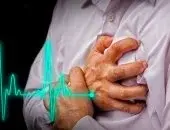

In old age, the heart becomes more vulnerable to sudden disturbances. Cardiac arrest is one of the most dangerous medical emergencies, occurring due to an electrical malfunction that abruptly stops the heartbeat and cuts off blood flow to the brain and vital organs.
Unlike a heart attack caused by blocked arteries, cardiac arrest is directly linked to the heart’s electrical system, making it a critical condition that requires immediate intervention such as CPR and defibrillation.
With aging, the risk increases due to chronic conditions such as hypertension, diabetes, coronary artery disease, weakened heart muscle, and rhythm disorders that are more common in elderly individuals.
Although cardiac arrest often occurs suddenly, some warning signs may appear beforehand, including:
- Sudden collapse without explanation
- Loss of consciousness
- Absence of pulse or breathing
- Chest pain or palpitations before collapse
- Severe shortness of breath
- Extreme dizziness or unusual fatigue
Medical experts emphasize that rapid response is crucial, as every minute of delay significantly reduces survival chances.
The difference between cardiac arrest and heart attack is important: a heart attack occurs due to a blocked blood supply to the heart muscle, while cardiac arrest is an electrical failure that stops the heart suddenly. However, a heart attack can sometimes trigger cardiac arrest.
In emergencies, immediate emergency services must be contacted, CPR should be started, and an AED should be used if available.
Emergency management includes:
- Cardiopulmonary resuscitation (CPR)
- Defibrillation
- Advanced hospital life support
- Continuous emergency monitoring
Prevention in seniors depends on a balanced lifestyle:
- Regular heart check-ups
- Controlling blood pressure, sugar, and cholesterol
- Age-appropriate physical activity
- Healthy diet
- Avoiding smoking
Ultimately, awareness remains the strongest shield, as the heart may stop suddenly—but it often whispers before it falls silent.