Cardiac Catheterization and Stents: Accurate Follow-Up After the Procedure to Protect the Heart and Reduce Complications
Coronary artery disease has become one of the most common health problems worldwide, especially with the increasing rates of smoking, stress, diabetes, high cholesterol, and obesity. Narrowing or blockage of the coronary arteries is considered one of the leading causes of angina and heart attacks, making early and accurate intervention essential to protect the patient’s life.
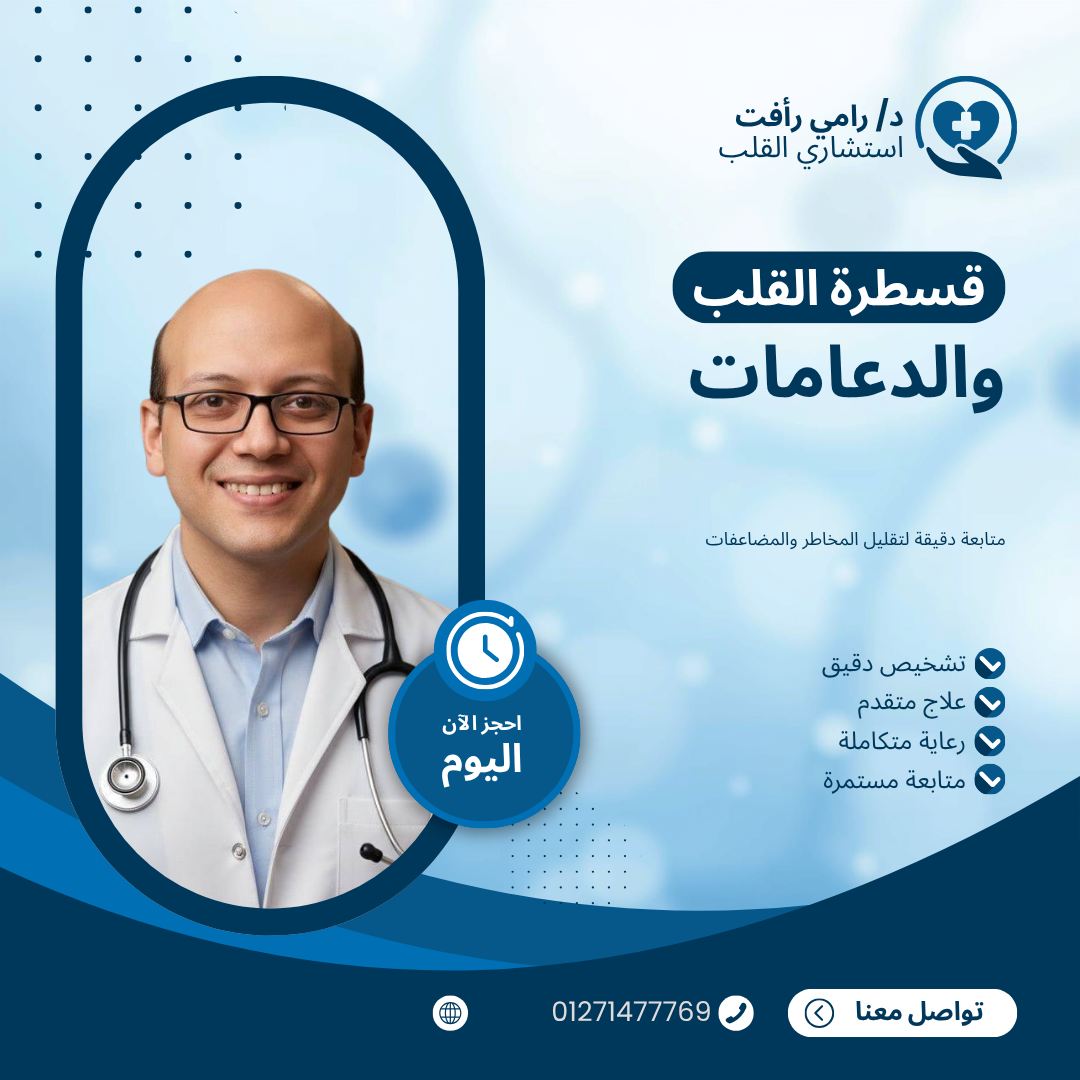

By: Dr. Ramy Raafat
Cardiac Catheterization and Stents: Accurate Follow-Up After the Procedure to Protect the Heart and Reduce Complications
Introduction
Coronary artery disease has become one of the most common health problems worldwide, especially with the increasing rates of smoking, stress, diabetes, high cholesterol, and obesity. Narrowing or blockage of the coronary arteries is considered one of the leading causes of angina and heart attacks, making early and accurate intervention essential to protect the patient’s life.
Among the most advanced and effective treatment methods in modern cardiology are cardiac catheterization and coronary stent placement. These procedures help restore normal blood flow to the heart muscle, reduce symptoms, and significantly improve heart function.
However, successful catheterization and stent placement are only the beginning of the treatment journey. The most critical phase comes afterward: careful and continuous follow-up. Neglecting medical follow-up after the procedure may lead to serious complications that could otherwise be prevented through regular monitoring and adherence to treatment.
What Is Cardiac Catheterization?
Cardiac catheterization is a minimally invasive medical procedure in which a thin tube called a catheter is inserted through a blood vessel in the wrist or groin and guided to the coronary arteries.
The procedure is used to:
- Diagnose narrowed or blocked coronary arteries
- Evaluate heart muscle function
- Assess heart valves
- Treat arterial blockages through stent placement
Cardiac catheterization is considered a safe and highly effective procedure in most cases and usually does not require open-heart surgery.
What Are Coronary Stents?
A coronary stent is a small mesh tube placed inside a narrowed or blocked artery to keep it open and restore proper blood flow to the heart muscle.
There are different types of stents, including:
1. Bare-Metal Stents
These stents help open the artery but may have a higher chance of re-narrowing over time.
2. Drug-Eluting Stents
These are the most commonly used today because they release medication that helps reduce the risk of artery re-blockage.
The appropriate type of stent depends on:
- The patient’s age
- The condition of the coronary arteries
- Presence of diabetes
- The severity of blockage
- The patient’s medical history
When Does a Patient Need Cardiac Catheterization or Stent Placement?
Doctors may recommend cardiac catheterization and stent placement in the following conditions:
- Recurring chest pain (angina)
- Coronary artery narrowing
- Acute heart attacks
- Diabetes-related arterial blockage
- Reduced blood flow to the heart muscle
- Abnormal ECG or stress test results
In some cases, cardiac catheterization becomes an emergency procedure to save the patient’s life and prevent permanent heart muscle damage.
Why Is Follow-Up After Stent Placement Important?
Many patients believe that once a stent is placed, the problem is permanently solved. However, the long-term success of the procedure depends heavily on proper follow-up and adherence to medical instructions.
Regular follow-up helps to:
- Ensure the stent remains functioning properly
- Prevent blood clot formation
- Reduce the risk of recurrent artery narrowing
- Monitor heart muscle performance
- Detect complications early
- Control blood pressure, diabetes, and cholesterol
- Improve the patient’s quality of life
Possible Complications After Stent Placement
Although complications are uncommon when medical instructions are followed, regular monitoring remains essential.
1. Re-Narrowing of the Artery
A new blockage may develop inside or near the stent due to plaque buildup or tissue growth.
2. Blood Clot Formation Inside the Stent
This is one of the most serious complications and often occurs when blood-thinning medications are stopped without medical advice.
3. Heart Rhythm Disorders
Some patients may experience irregular or rapid heartbeats after a heart attack or catheterization.
4. Heart Muscle Weakness
Delayed treatment or recurrent heart attacks may reduce heart pumping efficiency.
5. Side Effects of Blood Thinners
Such as bleeding or frequent bruising, which require close medical supervision.
Symptoms That Require Immediate Medical Attention
- Severe or recurring chest pain
- Shortness of breath
- Heart palpitations
- Leg swelling
- Dizziness or fainting
- Persistent bleeding
- Severe pain at the catheter insertion site
- Sudden high blood pressure
Early medical intervention can prevent serious complications.
The Importance of Blood-Thinning Medications
Blood-thinning medications play a major role in maintaining stent success by preventing blood clot formation.
Important instructions include:
- Never stop medications without consulting your doctor
- Take medications exactly as prescribed
- Inform your doctor before surgery or dental procedures
- Report any unusual bleeding symptoms
Can Patients Return to Normal Life After Catheterization?
In most cases, patients can gradually return to their normal daily activities after a short recovery period, provided they follow medical advice carefully.
- Avoid heavy physical exertion initially
- Adhere to prescribed medications
- Follow a heart-healthy diet
- Quit smoking completely
- Exercise regularly as recommended
- Reduce stress and anxiety
Healthy Lifestyle After Stent Placement
A healthy lifestyle is essential to protect the arteries and reduce the risk of future blockages.
Recommended:
- Fresh vegetables and fruits
- Healthy fish and lean proteins
- Whole grains
- Reduced salt intake
- Adequate hydration
Avoid or Reduce:
- Saturated fats
- Fried foods
- Fast food
- Excess sugar
- Smoking
Dr. Rami Raafat
Consultant of Cardiology, Cardiac Catheterization & Coronary Stents
Comprehensive and accurate follow-up for heart patients after cardiac catheterization and stent placement using the latest diagnostic and treatment technologies.
📞 01271477769
📍 North 90th Street – 3rd Floor – Clinic 328, Fifth Settlement, Cairo
Discover Dr. Amr Mostafa Saleheen’s advanced gynecological laparoscopic surgery services, providing modern medical solutions for women’s health problems using the latest surgical techniques with high accuracy and shorter recovery time in Assiut.
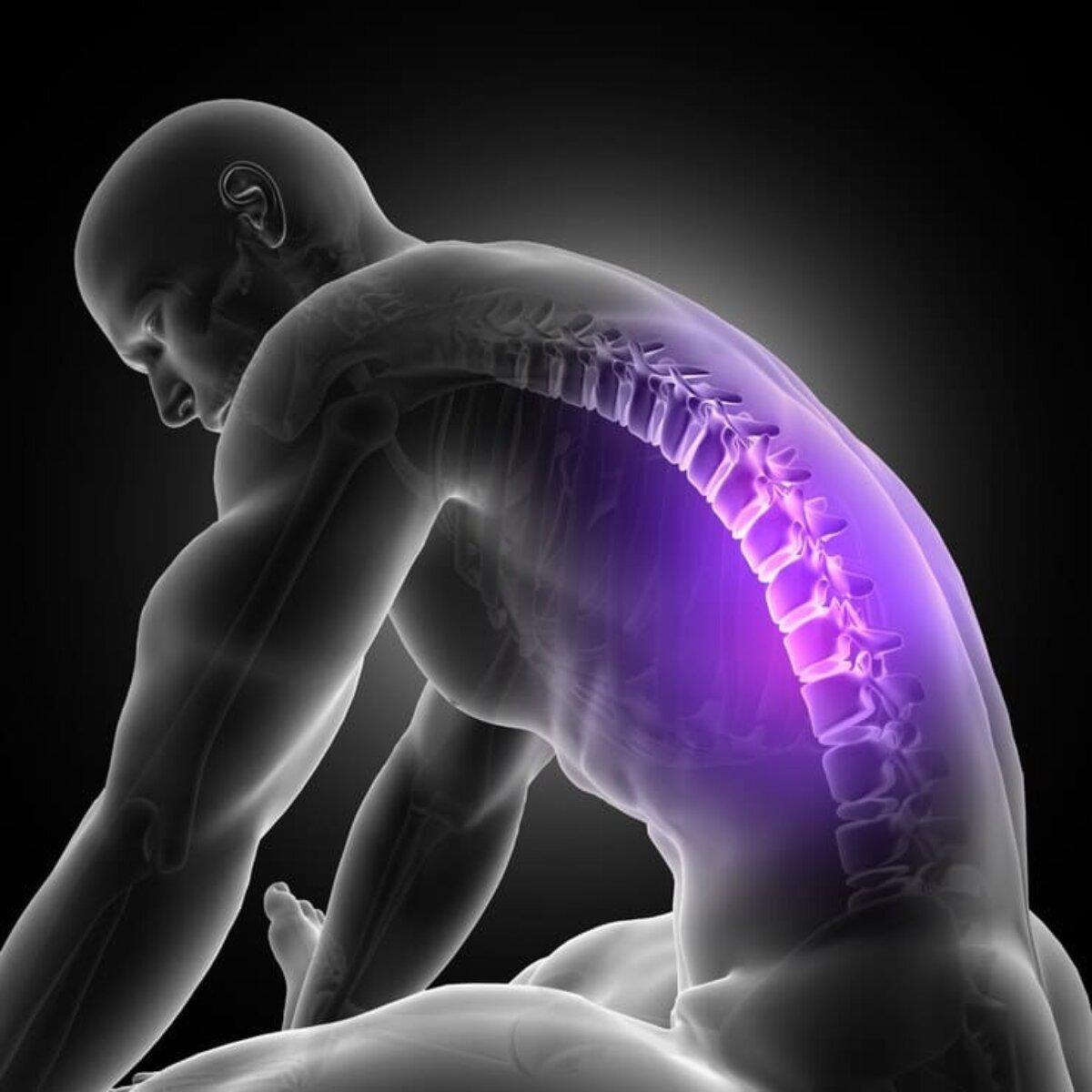
Discover Dr. Mohamed Nabil’s services in spinal deformity treatment, providing accurate diagnosis and specialized treatment plans to improve back health, reduce pain, and restore mobility using advanced medical approaches in 6th of October City.
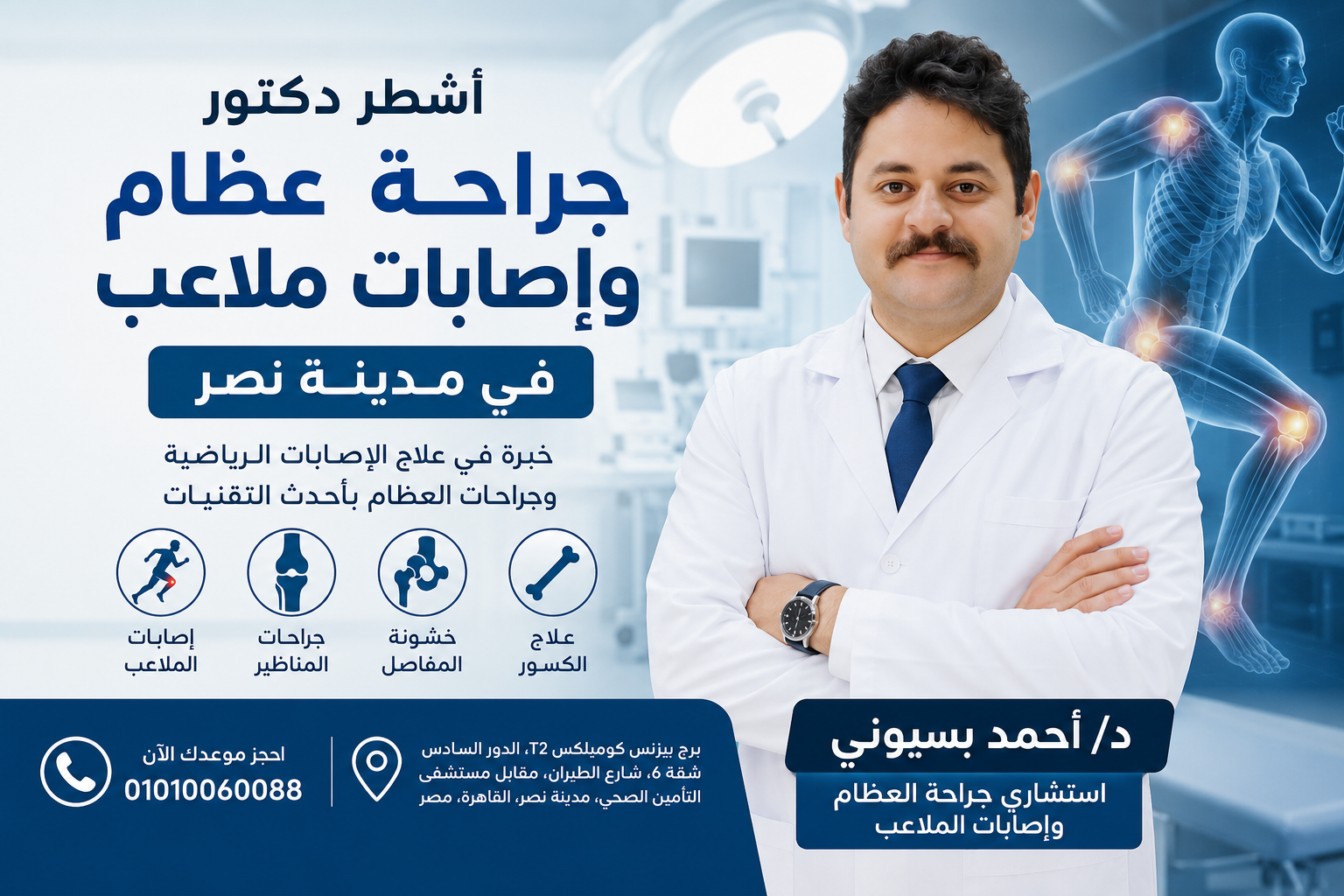
Looking for the Best Orthopedic Surgeon & Sports Injury Specialist in Nasr City? Are you looking for the best orthopedic and sports injury doctor in Nasr City? Dr. Ahmed Bassiouni provides specialized care for sports injuries, orthopedic surgery, and arthroscopic procedures using the latest medical technologies. Book your appointment today: 01010060088.
Discover Ortho Care Clinic’s services in bone deformity correction and limb alignment, providing accurate diagnosis and advanced medical approaches to treat orthopedic problems, improve mobility, and enhance quality of life in Marsa Matrouh.
