Cardiology: The Comprehensive Guide to Understanding Cardiovascular Health
Cardiology is one of the most important medical specialties that focuses on the health of the heart and blood vessels, as well as the diagnosis and treatment of related conditions such as heart attacks, high blood pressure, and heart rhythm disorders. This article provides a comprehensive guide to the most common heart diseases, modern diagnostic methods, and advanced treatment approaches to maintain a healthy heart and a safe life.
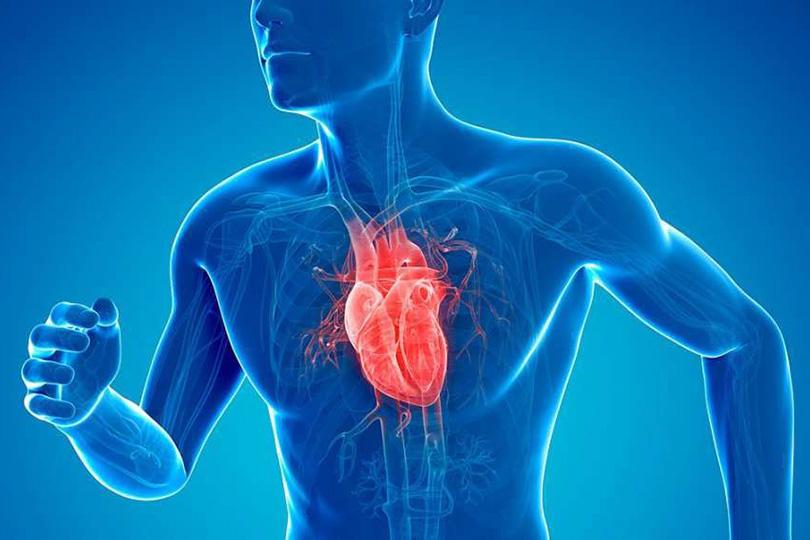

❤️ Cardiology: The Comprehensive Guide to Understanding Cardiovascular Health
Introduction
Cardiology is one of the most important and sensitive branches of internal medicine, focusing on the study, diagnosis, and treatment of diseases affecting the heart and blood vessels. The heart is the vital organ responsible for pumping blood throughout the body, and any malfunction can have life-threatening consequences.
With major medical advancements, cardiology has become highly dependent on modern technologies such as cardiac catheterization, echocardiography, artificial hearts, and minimally invasive procedures.
🫀 What is Cardiology?
Cardiology is a branch of internal medicine that focuses on:
- Studying the structure and function of the heart
- Diagnosing cardiovascular diseases
- Treating heart rhythm disorders
- Managing coronary artery diseases
- Preventing heart attacks and strokes
A cardiologist evaluates heart conditions using advanced diagnostic tests and develops appropriate treatment or preventive plans.
❤️ Importance of the Heart in the Human Body
The heart is the main pump of the body and performs essential functions such as:
- Pumping oxygen-rich blood to all organs
- Transporting nutrients
- Removing carbon dioxide and waste products
- Maintaining stable blood circulation
Without the heart, the human body cannot survive for more than a few minutes, highlighting its critical importance.
🧬 Structure and Function of the Heart
The heart consists of four main chambers:
- Right atrium
- Right ventricle
- Left atrium
- Left ventricle
It operates through an internal electrical system that regulates heartbeats, ensuring proper blood circulation throughout the body.
🧠 Most Common Heart Diseases
1. Coronary Artery Disease
Caused by fat buildup inside the arteries, reducing blood flow to the heart and potentially leading to chest pain or heart attack.
2. Heart Failure
A condition where the heart cannot pump enough blood to meet the body’s needs, causing fatigue and breathing difficulties.
3. Heart Rhythm Disorders
These include:
- Tachycardia (fast heartbeat)
- Bradycardia (slow heartbeat)
- Irregular heartbeat
4. High Blood Pressure
One of the most common diseases and a major risk factor for heart disease and stroke.
5. Heart Attacks
Occur due to sudden blockage of the coronary arteries.
6. Heart Valve Diseases
Result from narrowing or leakage of heart valves, affecting blood flow efficiency.
🧪 Diagnosis of Heart Diseases
Cardiologists rely on several diagnostic tools such as:
- Electrocardiogram (ECG)
- Echocardiogram (ECHO)
- Stress test
- Cardiac catheterization
- CT scan of the heart
- Cardiac enzyme tests
🛠️ Treatment of Heart Diseases
💊 Medication Therapy
Includes drugs such as:
- Blood pressure medications
- Blood thinners
- Anti-arrhythmic drugs
- Cholesterol-lowering medications
🫀 Cardiac Catheterization
A medical procedure used to diagnose and treat blocked arteries without open-heart surgery.
🧬 Heart Surgery
Used in advanced cases such as:
- Valve replacement
- Coronary artery bypass surgery
- Congenital defect correction
⚡ Pacemaker Devices
Implanted devices used to regulate abnormal heart rhythms.
🧬 Modern Technologies in Cardiology
Cardiology has evolved significantly with technologies such as:
- Non-surgical cardiac catheterization
- Artificial hearts
- Robotic surgery
- AI-based heart disease diagnosis
- 3D heart imaging
🥗 Prevention of Heart Diseases
Prevention is the key to maintaining a healthy heart:
- Healthy diet
- Reducing saturated fats
- Regular exercise
- Quitting smoking
- Controlling blood pressure and sugar
- Reducing stress
🧍 Risk Factors of Heart Disease
- Smoking
- Obesity
- Lack of physical activity
- Chronic stress
- Genetic history
- High cholesterol
👨⚕️ When to See a Cardiologist?
Consult a cardiologist if you experience:
- Chest pain
- Shortness of breath
- Irregular heartbeat
- Frequent dizziness
- Swelling in the legs
💡 Future of Cardiology
The future of cardiology is moving toward:
- Gene therapy for heart diseases
- Fully artificial hearts
- AI-powered diagnosis
- Minimally invasive treatments
Conclusion
Cardiology is one of the most important medical specialties, directly connected to human life. With continuous medical advancements, most heart diseases can now be treated safely and effectively, ensuring longer and healthier lives for patients.

Dr. Menna Morsi uses the latest cosmetic dentistry techniques to preserve the health of your teeth while delivering outstanding aesthetic results through a personalized treatment plan tailored to your individual needs.
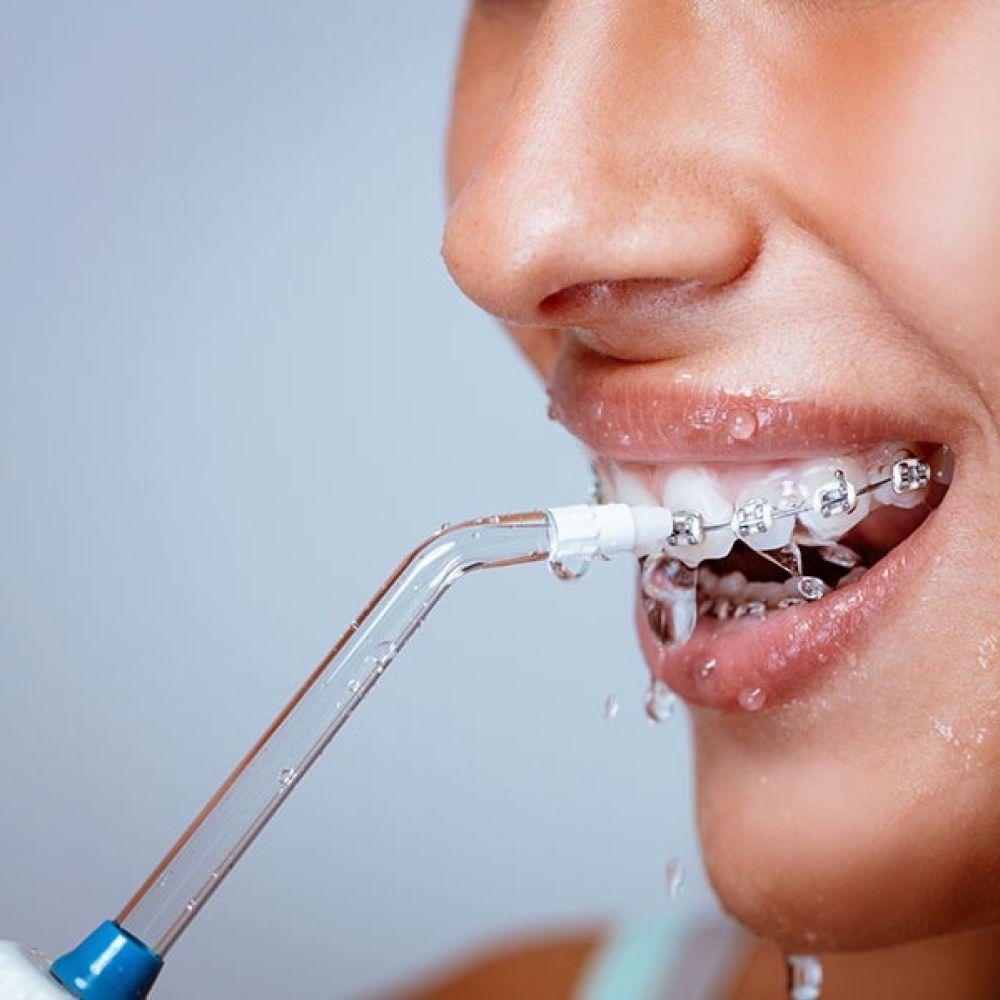
Over time, neglecting oral hygiene while wearing braces can lead to plaque buildup, gum inflammation, bad breath, and even affect the overall success of your orthodontic treatment by potentially extending the treatment period.
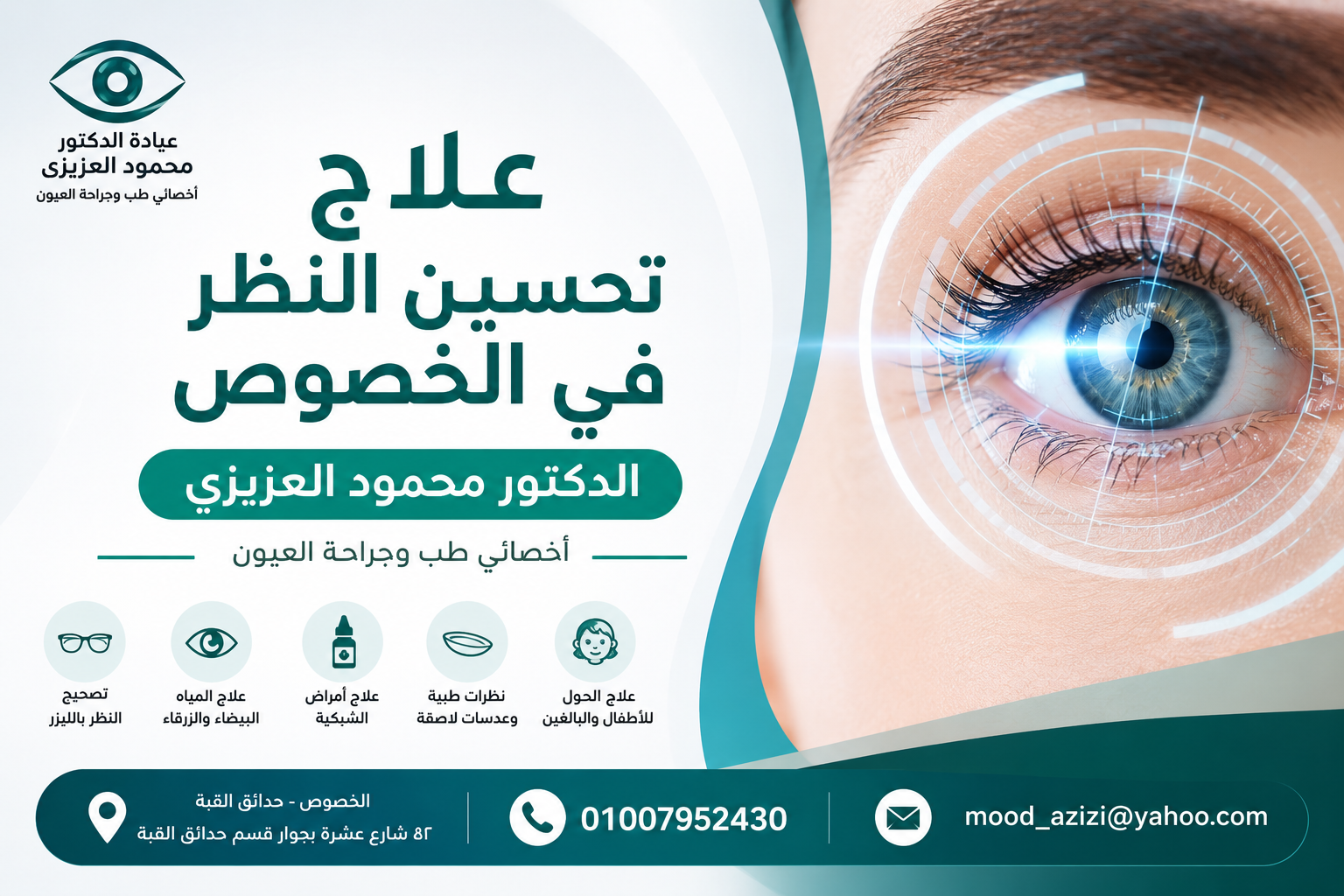
Looking for vision improvement treatment in El Khusus? Dr. Mahmoud El-Azizi offers the latest technologies for diagnosing and treating vision problems, including laser vision correction, cataract and glaucoma treatment, with comprehensive eye care using state-of-the-art medical equipment.
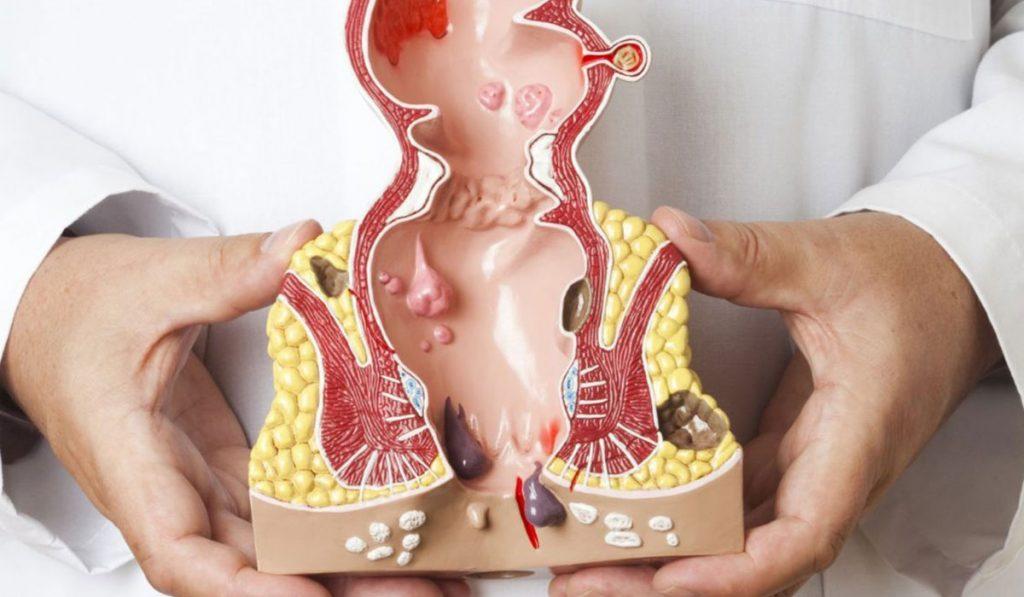
With the advancement of colorectal surgery, most cases of anal fistula and pilonidal sinus can now be treated using modern surgical and technological techniques that precisely remove the diseased tissue, minimize pain, accelerate wound healing, and reduce the risk of recurrence.
