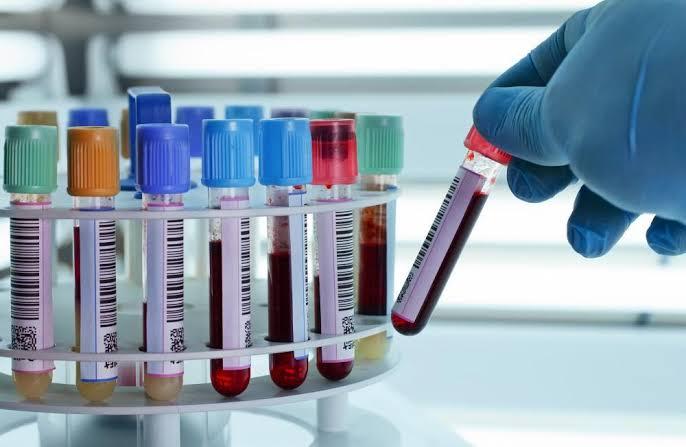

Cardiovascular Blood Tests in Madinaty | Inspect Lab
Cardiovascular blood tests can help assess certain indicators related to heart health, identify some cardiovascular risk factors, and monitor selected medical conditions when recommended by a healthcare professional. The appropriate tests depend on a person's symptoms, medical history, and reason for testing. No single blood test can assess every heart condition. Inspect Lab – Integrated Medical and Chemical Laboratory, which offers 24-hour service according to the supplied business information, can be contacted to ask about available tests and any preparation instructions.
Inspect Lab Contact Information
📍 Address: Madinaty – All Season Park Mall – Second Floor – Unit S47 – Cairo, Egypt.
📱 Phone / WhatsApp: 01004643610
📱 Additional number: 01150963454
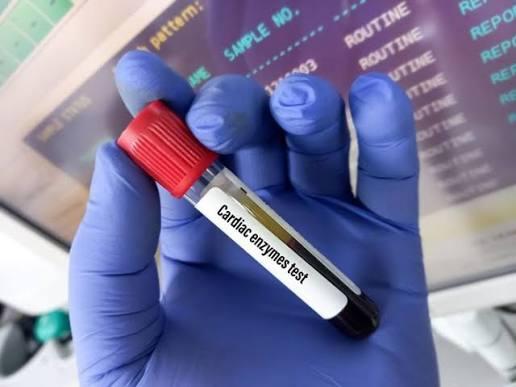
Why Are Cardiovascular Blood Tests Important?
Blood tests are one part of cardiovascular assessment. Depending on the situation, they may help evaluate risk factors or monitor certain health conditions. A healthcare professional determines which tests are appropriate based on symptoms, examination findings, and the purpose of the assessment.
Blood tests do not replace a medical examination, an electrocardiogram, or imaging when these are needed. Results must be interpreted in the context of the patient's health, medications, and other relevant factors.
Common Cardiovascular Blood Tests
Several blood tests may be requested depending on the patient's condition.
Troponin Test
Troponin testing helps detect injury to the heart muscle. It can be important when an acute coronary syndrome, including a heart attack, is suspected. Results depend on the measured level, the timing of the test, symptoms, and other clinical findings. A healthcare professional may request repeat measurements when appropriate.
Lipid Profile
A lipid profile measures total cholesterol, low-density lipoprotein (LDL), high-density lipoprotein (HDL), and triglycerides. These results help assess certain risk factors associated with cardiovascular disease, alongside other factors such as blood pressure, smoking, and family history.
Blood Glucose and HbA1c
Blood glucose testing and glycated hemoglobin (HbA1c), when requested, help assess blood sugar levels and monitor diabetes. Diabetes is associated with an increased risk of cardiovascular disease, so glucose assessment may form part of an overall health evaluation.
Kidney Function and Electrolyte Tests
A healthcare professional may request kidney function tests and electrolytes, such as sodium and potassium, depending on the patient's condition and medications. These results can help assess factors related to kidney function, fluid balance, and electrolyte levels that may be relevant to cardiovascular care.
Complete Blood Count (CBC)
A complete blood count may be requested in selected cases to assess anemia or changes in blood cells. Whether it is appropriate depends on the symptoms and the purpose of testing. A CBC alone does not diagnose coronary artery disease.
When Might a Doctor Request Cardiovascular Tests?
A doctor may request cardiovascular blood tests to assess risk factors, monitor a chronic condition, or investigate certain symptoms. The type of test depends on the clinical question. For example, testing may focus on cholesterol and blood sugar levels, possible heart muscle injury, or other indicators relevant to the patient's health.
Being asked to take a test does not necessarily mean that heart disease is present. Likewise, normal results from certain tests do not rule out every cardiovascular condition. Results should be interpreted alongside symptoms, medical examination, and any other investigations that may be required.
Do Cardiovascular Blood Tests Require Fasting?
Fasting requirements depend on the specific test and the instructions provided by the healthcare professional or laboratory. Many lipid tests can be performed without fasting in appropriate circumstances, while fasting may be requested for certain situations or when other tests are being performed at the same time.
A troponin test used when acute heart muscle injury is suspected should not be delayed because of fasting or preparation requirements.
Before visiting, contact Inspect Lab to confirm the preparation instructions for the requested test.
How Are Cardiovascular Test Results Interpreted?
Reference ranges differ between tests, and results may be affected by age, health conditions, medications, and other factors. A result should not be interpreted based on a single number or compared with another person's result without considering the clinical context.
A healthcare professional may review test results alongside symptoms, medical history, blood pressure measurements, and other investigations to determine whether follow-up, additional testing, or changes to the treatment plan are needed.
An abnormal result does not always establish a specific diagnosis, while a result within the reference range does not guarantee that every cardiovascular condition has been excluded.
When Should You Seek Emergency Medical Care?
New or severe chest pain or pressure, sudden shortness of breath, cold sweating, fainting, or pain spreading to the arm, jaw, or back may indicate a medical emergency. If these symptoms occur, call emergency services or go to the nearest emergency department immediately rather than waiting to have laboratory tests performed.
Blood tests can support medical assessment, but they are not a substitute for urgent care when symptoms may indicate a serious heart problem.
Cardiovascular Blood Tests at Inspect Lab in Madinaty
If you need cardiovascular blood tests, you can contact Inspect Lab – Integrated Medical and Chemical Laboratory to ask about available tests and preparation instructions before visiting.
📍 Address: Madinaty – All Season Park Mall – Second Floor – Unit S47 – Cairo, Egypt.
📱 Phone / WhatsApp: 01004643610
📱 Additional number: 01150963454
Frequently Asked Questions About Cardiovascular Blood Tests
Which blood test is important when a heart attack is suspected?
Troponin is an important test when heart muscle injury is suspected. Diagnosis also depends on symptoms, examination, ECG findings, and other test results.
Can a lipid profile detect blocked arteries?
No. A lipid profile does not directly identify an arterial blockage, but it helps assess certain risk factors associated with cardiovascular disease.
Do I need to fast before cardiovascular blood tests?
It depends on the test and the instructions provided by the healthcare professional or laboratory. Confirm the preparation requirements before your visit.
Are blood tests alone enough to check heart health?
No. Depending on symptoms and risk factors, cardiovascular assessment may also require a medical examination, an ECG, or other investigations.
Where is Inspect Lab located?
Inspect Lab is located at All Season Park Mall, second floor, Unit S47, Madinaty, Cairo, Egypt.
Contact Inspect Lab
Selecting appropriate tests according to medical advice helps assess the required indicators while avoiding unnecessary testing. To ask about cardiovascular blood tests and the laboratory's stated 24-hour service, contact Inspect Lab.