
Fractures in Cats: Symptoms, Causes, and Treatment | Oasis Pet Clinic
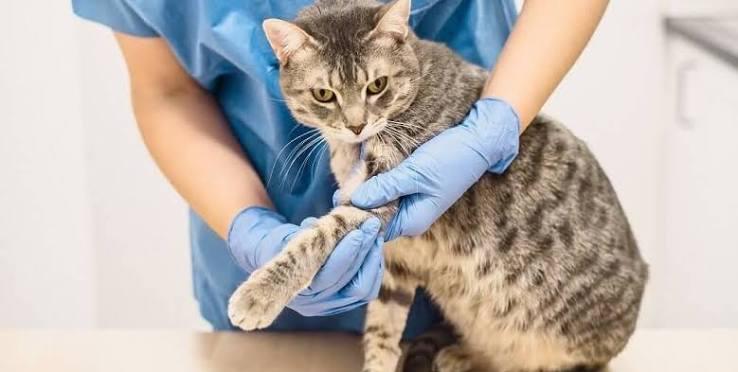
Cats may suffer fractures after falling from heights, being involved in road accidents, or sustaining direct injuries during movement or play. These situations require careful handling, as moving an injured cat incorrectly may increase pain or worsen the injury. At Oasis Pet Clinic, understanding the warning signs of fractures and knowing how to respond can help pet owners make informed decisions when their cats may be injured. A veterinary examination is essential to assess the injury and determine the most appropriate course of care.
Oasis Pet Clinic Contact Information
Clinic Name:
Oasis Pet Clinic – Veterinary Care for Pets
Address:
14 Makram Ebeid Street, Sixth District, Nasr City, Cairo, Egypt.
Phone:
What Causes Fractures in Cats?
Fractures occur when a bone is exposed to more force than it can withstand. The severity depends on the location of the fracture, the force of the injury, and the cat’s age and general health.
Common causes include:
-
Falls from heights: Falling from balconies, windows, or elevated furniture may injure the limbs, pelvis, or jaw and can sometimes cause internal injuries.
-
Road accidents: Vehicle collisions can cause multiple fractures, even when there are no obvious external wounds.
-
Direct impact or crushing injuries: A limb may become trapped or sustain a strong blow.
-
Household accidents: A door closing on a limb or a heavy object falling on a cat can cause a fracture.
-
Underlying bone problems: Certain health conditions may make bones more vulnerable to injury and require further veterinary assessment.
The cause of an accident alone cannot determine the type or severity of a fracture. A cat may still move despite having a broken bone, while an inability to walk may also result from other injuries.
What Are the Signs of Fractures in Cats?
Symptoms vary according to the affected bone and the extent of the injury. Some fractures are obvious, while others require a veterinary examination and imaging for confirmation.
Possible warning signs include:
-
Limping or refusing to put weight on a limb.
-
Unusual crying or vocalization when moving or being touched.
-
Swelling or an abnormal appearance of a limb.
-
Avoiding walking or jumping, or hiding more than usual.
-
An open wound or visible bone, which requires urgent veterinary attention.
-
Reduced appetite, lethargy, or behavior changes associated with pain.
-
Difficulty breathing, pale gums, or severe weakness after an accident, which may indicate a serious injury.
The absence of swelling or an open wound does not rule out a fracture. If your cat has experienced a significant accident, seek prompt veterinary assessment even if it can still stand or walk.
What Should You Do If You Suspect a Fracture?
Appropriate first aid can help prevent further injury. If you suspect a fracture, keep your cat as calm and still as possible.
-
Restrict movement: Do not encourage walking or jumping, and do not test the injured limb.
-
Handle your cat gently: Pain and fear may cause even a normally calm cat to bite or scratch.
-
Use suitable transport: If possible, gently place the cat in a secure carrier while supporting its body and avoiding pressure on the injured area. If a spinal or pelvic injury is suspected, minimize movement and seek urgent veterinary guidance.
-
Do not attempt to realign or splint the bone yourself: Improper manipulation or tight bandaging can worsen the injury.
-
Do not give human medication: Common human painkillers, including paracetamol and ibuprofen, can be toxic to cats.
-
Seek veterinary care promptly: This is especially important if there is an open wound, bleeding, breathing difficulty, or an inability to stand.
If there is external bleeding, gently place clean gauze over the area without pressing on protruding bone or trying to push it back inside. Do not delay veterinary care to attempt home treatment.
How Are Fractures in Cats Diagnosed?
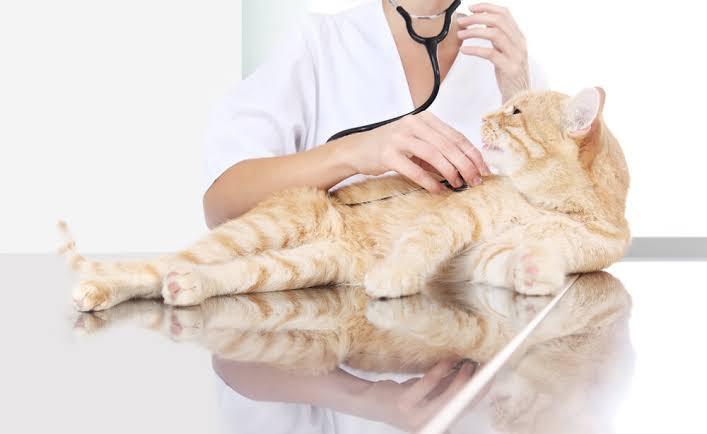
Diagnosis usually begins with a history of the accident and a review of the cat’s symptoms, followed by an appropriate physical examination. The veterinarian assesses pain, swelling, and movement while checking for other possible injuries.
X-rays may be recommended to identify the fracture’s location, pattern, and alignment. Additional tests may be needed depending on the injury, particularly after a serious accident or when chest, abdominal, or spinal injuries are suspected.
The cat’s overall condition must be assessed rather than focusing only on the broken bone. Internal injuries may be more serious than the visible limb injury. An accurate diagnosis helps the veterinarian select a treatment plan suited to the fracture and the cat’s health.
How Are Fractures in Cats Treated?
There is no single treatment suitable for every fracture. The appropriate approach depends on the bone involved, the fracture’s stability and alignment, whether the fracture is open or closed, and the cat’s general health.
Treatment options determined by a veterinarian may include:
-
Movement restriction and monitoring: This may be appropriate for selected stable fractures, with rest and scheduled follow-up examinations.
-
External immobilization: A veterinarian may use a splint or another suitable support in selected cases. The affected limb must be monitored for swelling, skin problems, and circulation issues.
-
Surgery: Some unstable, displaced, or complex fractures may require surgery using internal or external fixation methods, depending on the injury.
-
Pain management: The veterinarian selects medications and appropriate doses according to the cat’s weight and health.
Treatment should never be chosen based only on online advice or pictures of similar injuries. A splint is not appropriate for every fracture, and using one without professional guidance may cause complications.
How Long Does Recovery Take?
Recovery time varies depending on the affected bone, the type of fracture, and the treatment used. Some fractures require several weeks to heal, while complex injuries may take longer.
During recovery, follow the veterinarian’s instructions about restricting activity. Provide a quiet, safe area and prevent your cat from jumping onto furniture or climbing to elevated places. Keep follow-up appointments and do not increase activity or stop treatment simply because the limp has improved.
Contact the veterinarian promptly if new swelling or increased pain develops, or if the toes change color or become cold when an immobilization device is in place. Persistent loss of appetite or severe lethargy also warrants assessment, particularly after a significant accident.
How Can You Help Prevent Fractures in Cats?
Although not every accident can be prevented, several precautions can reduce the risk of injury:
-
Secure windows and balconies to prevent falls.
-
Keep cats away from roads and vehicles, and supervise them when outdoors.
-
Secure heavy furniture and objects that could fall.
-
Provide a safe environment for movement and play, avoiding unprotected elevated or slippery surfaces.
-
Arrange veterinary examinations if you notice mobility problems, behavioral changes, or a health issue that may affect the bones.
If your cat has an accident or develops sudden pain or limping, do not assume the symptoms will resolve on their own. Early veterinary assessment helps identify the injury and determine appropriate care.
When Does Your Cat Need Urgent Veterinary Care?
Seek urgent assessment if your cat has been hit by a vehicle, fallen from a height, become unable to stand, or developed an open wound or severe bleeding. Difficulty breathing, pale gums, loss of consciousness, and severe weakness are emergency warning signs that require immediate attention from a veterinary facility equipped to handle the situation.
Even if an injury appears minor, persistent pain or limping should be assessed. Do not wait for visible swelling or deformity, as some fractures and associated injuries may not be obvious.
Contact Oasis Pet Clinic
If you suspect your cat has a fracture, restrict movement and seek appropriate veterinary assessment. You can contact Oasis Pet Clinic to ask about the clinic and arrange a visit.
Address:
14 Makram Ebeid Street, Sixth District, Nasr City, Cairo, Egypt.