Cataract, medically known as lens opacity of the eye, is one of the most common eye conditions, especially among older adults. It develops gradually, which means many people do not notice it in the early stages.
In this article, you will learn about cataract symptoms, causes, early warning signs, and how to detect the condition before it affects vision significantly.
What is a Cataract?
A cataract is a condition in which the natural lens of the eye becomes cloudy over time. This cloudiness reduces the amount of light passing through the eye, leading to blurred or unclear vision.
As the lens loses transparency, vision becomes progressively worse if left untreated.
Early Symptoms of Cataracts
Cataract symptoms often start subtly and worsen gradually. The most common signs include:
- Blurred or foggy vision
- Difficulty seeing at night or while driving
- Sensitivity to bright light or glare
- Colors appearing faded or yellowish
- Frequent changes in glasses prescription
- Double vision in one eye
- Gradual loss of sharp visual details
How Cataracts Begin
In most cases, cataracts start slowly and may feel like minor vision changes at first. Over time, the clouding of the lens increases, making vision noticeably worse.
Causes of Cataracts
1. Aging
The most common cause. The eye lens naturally becomes less clear after the age of 50.
2. Genetics
A family history of cataracts increases the risk of early development.
3. Sun Exposure
Prolonged exposure to ultraviolet (UV) rays can accelerate lens clouding.
4. Chronic Diseases
- Diabetes
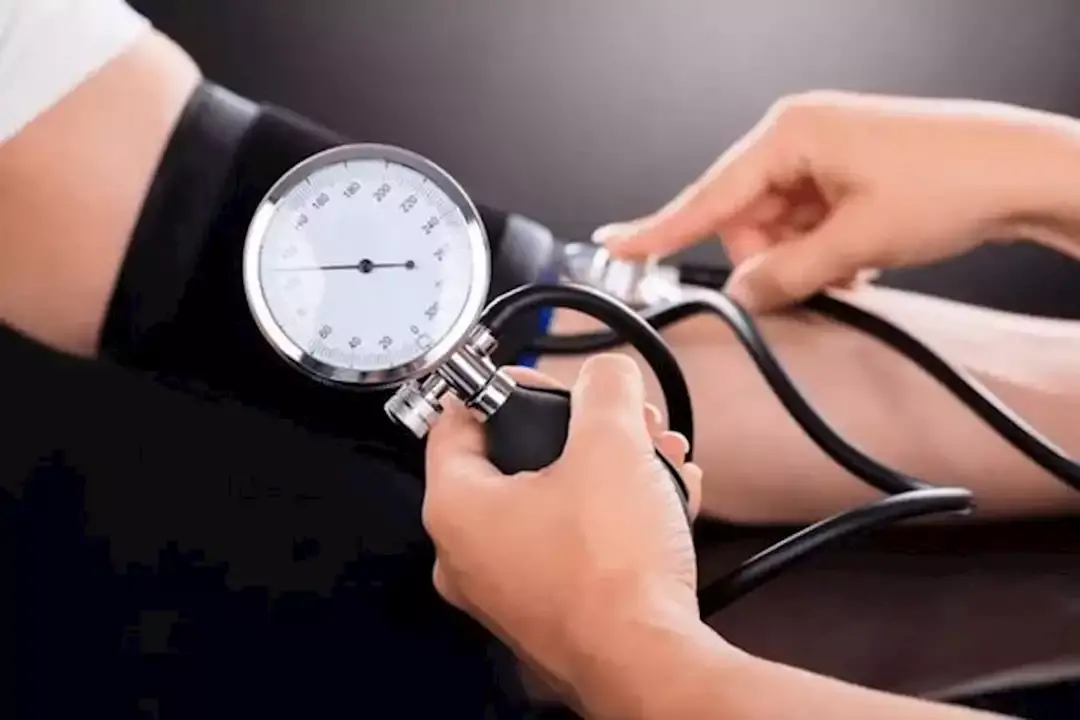
- High blood pressure
5. Medications
Long-term use of corticosteroids may increase the risk of cataract formation.
Cataract vs. Vision Problems
It is important to differentiate between regular vision problems and cataracts:
- Vision problems: usually corrected with glasses or lenses
- Cataracts: involve clouding of the lens and do not improve with glasses over time
When to See an Eye Doctor?
You should consult a specialist if you notice:
- Progressive decline in vision
- No improvement with new glasses
- Difficulty driving at night
- Significant impact on daily activities
Can Cataracts Be Treated?
The only effective treatment for advanced cataracts is surgery, where the cloudy lens is removed and replaced with an artificial clear lens.
In early stages, doctors may simply monitor the condition and adjust vision correction temporarily.
Tips to Slow Cataract Progression
- Wear UV-protective sunglasses
- Control blood sugar levels
- Schedule regular eye exams
- Avoid smoking
- Maintain a diet rich in antioxidants
Conclusion
Cataract symptoms develop gradually, so early detection is essential. Recognizing early warning signs helps ensure timely treatment and preserves vision quality before the condition worsens.