
🩺 Cervical Cancer: Symptoms, Causes, Diagnosis, Treatment and Prevention | Dr. Khaled El-Dakhakhny
Cervical tumors are health conditions that require awareness and regular medical follow-up, especially because early changes in cervical cells may not cause noticeable symptoms. Therefore, women should not wait until symptoms appear before paying attention to cervical health, as regular screening can help detect abnormal changes at an early stage.
Most cervical cancer cases are associated with persistent infection with high-risk types of Human Papillomavirus (HPV). However, having HPV does not necessarily mean that a woman has cancer, as the immune system can control and eliminate the infection in many cases.
Dr. Khaled El-Dakhakhny – Obstetrician and Gynecologist in Mohandessin
📍 Mohandessin
📞 For appointments and inquiries: 01550038311
This highlights the importance of regular follow-up with an obstetrician and gynecologist, especially when experiencing unusual bleeding, changes in vaginal discharge, pelvic pain, or an abnormal Pap smear or HPV test result.
🔎 What Are Cervical Tumors?
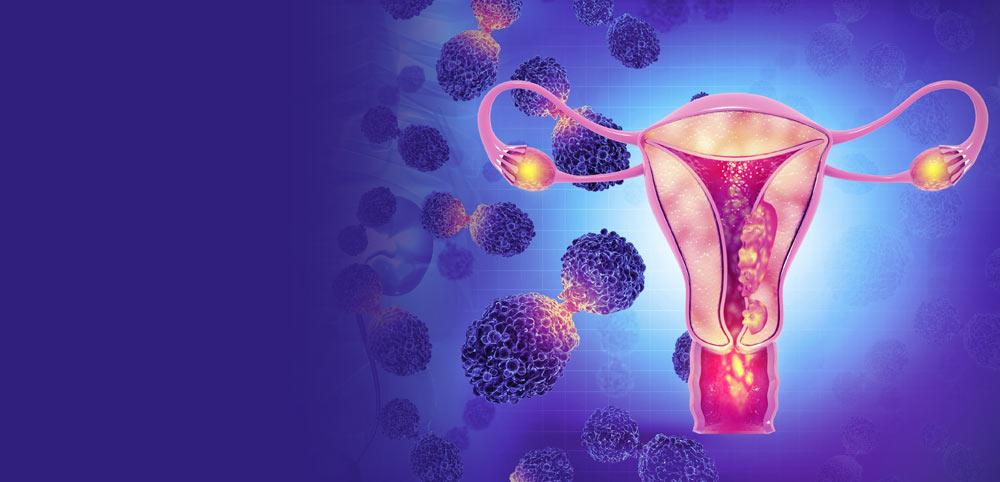
The cervix is the lower part of the uterus that connects to the vagina. Different changes can occur in cervical cells. Some are non-cancerous, while others may represent precancerous changes, and some conditions can eventually develop into cervical cancer.
It is important to understand that finding abnormal cervical cells does not automatically mean that cancer is present. Some changes may be detected at an early stage and can be monitored or treated before they progress.
This is why early detection is one of the most important steps in dealing with cervical tumors, as it allows precancerous changes to be identified and managed before they develop into a more serious condition.
🦠 What Is the Relationship Between HPV and Cervical Cancer?
The Human Papillomavirus (HPV) is the main infectious factor associated with cervical cancer.
There are many types of HPV, and some are classified as high-risk types. Persistent infection with these types can cause abnormal changes in cervical cells.
However, having HPV does not mean that a woman has cervical cancer.
In most cases, the immune system can control the infection. Medical follow-up becomes particularly important when the infection persists for a long period and causes abnormal changes in cervical cells.
Therefore, receiving a positive HPV test result requires medical evaluation and follow-up, rather than assuming that cancer is present.
⚠️ What Are the Symptoms of Cervical Cancer?
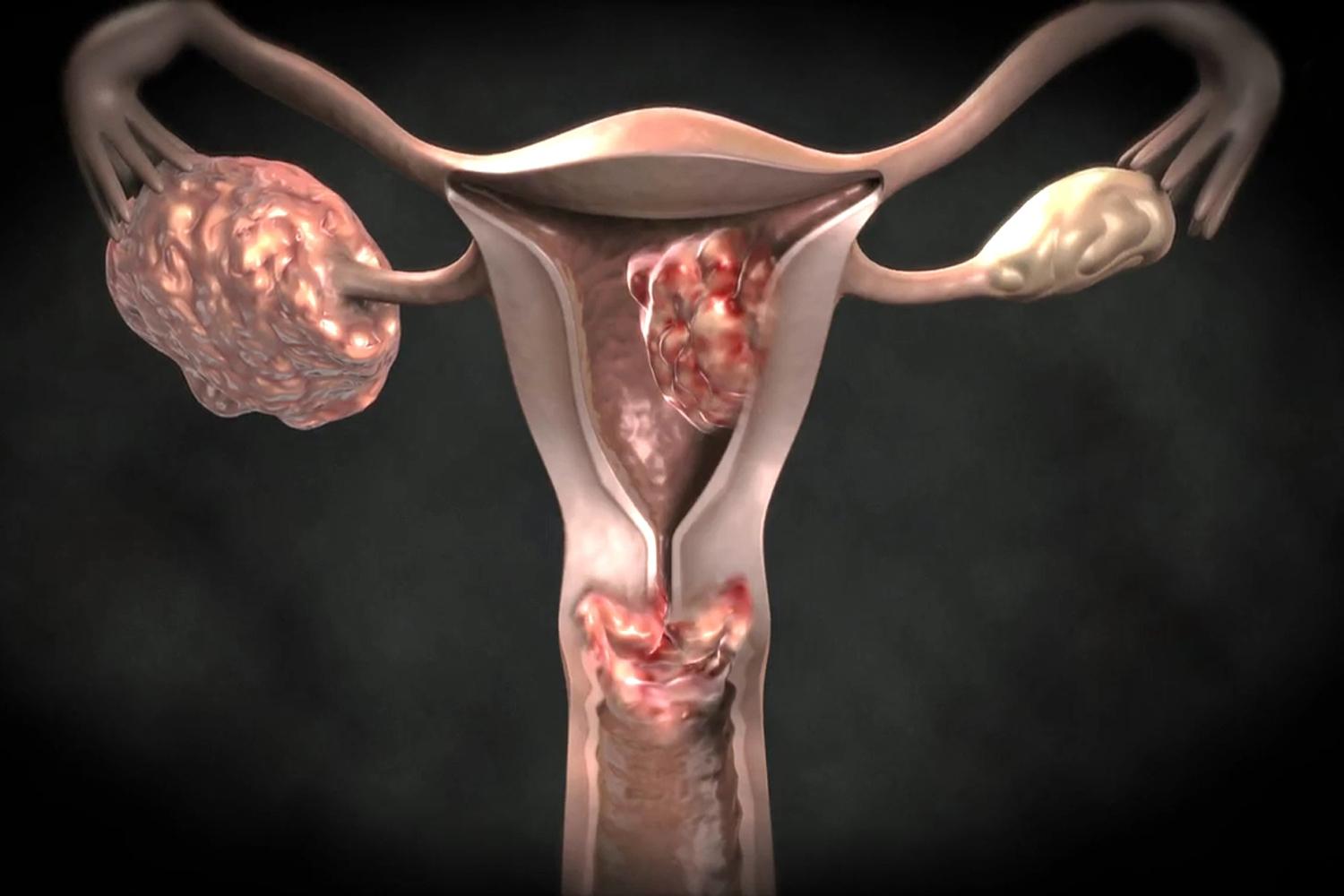
Early stages of cervical cancer may not cause noticeable symptoms, which is why regular screening is extremely important.
Some of the most important symptoms that require consultation with a gynecologist include:
🩸 Unusual Bleeding
Abnormal bleeding may appear in different forms, including:
-
Bleeding after sexual intercourse.
-
Bleeding between menstrual periods.
-
Unusually heavy menstrual bleeding.
-
Menstrual periods that last longer than usual.
-
Bleeding after menopause.
Bleeding does not necessarily mean that cancer is present, as it may have other gynecological causes. However, recurrent or unusual bleeding should be medically evaluated to determine its cause.
💧 Changes in Vaginal Discharge
Some women may notice changes in the amount or nature of vaginal discharge. In some cases, the discharge may contain blood or have an unusual odor.
This symptom is not specific to cervical cancer, so it should not be used alone to make a diagnosis.
🤕 Pelvic Pain
Some women may experience persistent or recurring pain in the pelvic area or lower abdomen. Pain during sexual intercourse may also occur.
Since pelvic pain can have many different causes, persistent or unusual pain should be evaluated by a medical professional.
🚨 Symptoms in Advanced Stages
In advanced cases, other symptoms related to the spread of the disease may occur, including:
-
Lower back pain.
-
Swelling of the legs.
-
Difficulty or pain during urination.
-
Difficulty or pain during bowel movements.
-
Blood in the urine or rectum.
-
Unexplained weight loss.
-
Persistent fatigue.
These symptoms do not necessarily indicate cervical cancer, but they require appropriate medical evaluation.
🧬 What Are the Causes and Risk Factors for Cervical Cancer?
Persistent infection with high-risk types of HPV is the most important factor associated with cervical cancer.
Other factors may also be associated with an increased risk of infection or persistent HPV infection, including:
-
A weakened immune system.
-
Smoking.
-
Not keeping up with recommended cervical screening.
-
Persistent infection with high-risk HPV types.
-
A previous history of abnormal cervical cell changes.
Having one of these risk factors does not mean that cancer is inevitable, but it may make regular screening and medical follow-up more important.
🩺 How Are Cervical Tumors Detected Early?
Cervical screening is one of the most important methods for detecting precancerous changes at an early stage.
Screening methods may include:
🔬 HPV Test
The HPV test is used to detect high-risk types of Human Papillomavirus.
🧪 Pap Smear
A Pap smear helps identify abnormal changes in cervical cells.
🔍 Colposcopy
A doctor may recommend a colposcopy when an abnormal screening result is detected or when a more detailed examination of the cervix is medically necessary.
🧫 Biopsy
In some cases, the doctor may take a small tissue sample for laboratory examination to determine the nature of the detected changes.
The appropriate screening method and schedule depend on the woman's age, medical history, previous test results, and applicable medical guidelines.
🔬 How Is Cervical Cancer Diagnosed?
When an abnormal test result is detected or symptoms require further evaluation, the doctor performs a more detailed assessment.
Diagnosis may include:
-
Gynecological examination.
-
Review of the patient's medical history.
-
HPV testing.
-
Pap smear.
-
Colposcopy.
-
Biopsy when necessary.
-
Imaging tests when needed to determine whether the disease has spread.
A biopsy is one of the most important procedures used to confirm the diagnosis of cancer, while other tests can help determine the extent of the disease and guide the appropriate treatment plan.
📊 What Are the Stages of Cervical Cancer?
Staging cervical cancer means determining how far the disease has spread.
In early stages, the disease is limited to the cervix. In other stages, it may extend to nearby tissues or parts of the reproductive system. In advanced cases, it may spread to lymph nodes or other organs.
Determining the stage is an essential part of choosing the appropriate treatment, as the treatment plan varies depending on the stage, tumor size, extent of spread, and the patient's overall health.
💊 How Are Cervical Tumors Treated?
Treatment for cervical cancer depends on several factors, including the stage of the disease, tumor size, extent of spread, and the patient's overall health.
Treatment options may include:
🏥 Surgery
Surgery may be appropriate for certain cases, particularly when the tumor is localized and can be surgically removed.
The type of surgery depends on the location and stage of the tumor and how far it has spread.
☢️ Radiation Therapy
Radiation therapy can be used to treat certain cases of cervical cancer, either alone or in combination with other treatments.
💊 Chemotherapy
Chemotherapy may be used during certain stages of the disease and may be combined with radiation therapy depending on the treatment plan.
🧬 Immunotherapy and Other Drug Treatments
In certain cases, modern drug treatments or immunotherapy may be considered depending on the stage of the disease, tumor characteristics, and the patient's overall health.
Therefore, there is no single treatment plan suitable for every patient. Treatment should be selected by a specialized medical team after a comprehensive evaluation.
👶 Can Fertility Be Preserved After Cervical Cancer Treatment?
Fertility preservation may be an important consideration for women of reproductive age.
In certain early and carefully selected cases, treatment options may help preserve the possibility of future pregnancy. However, this depends on the stage of the disease, tumor size and location, and the patient's overall health.
Therefore, women who wish to become pregnant in the future should discuss fertility preservation with their doctor before starting treatment, as some treatments may affect fertility.
🛡️ How Can Cervical Cancer Be Prevented?
Prevention depends on a combination of measures rather than a single step.
💉 HPV Vaccination
The HPV vaccine is one of the most important methods of preventing infection with HPV types that can cause cervical cancer.
The World Health Organization recommends HPV vaccination for girls at an early age before exposure to the virus, with vaccination schedules varying according to age, immune status, and local recommendations.
🔍 Regular Screening
Even after receiving the HPV vaccine, regular cervical screening remains important because the vaccine does not protect against every HPV type that may be associated with cervical cancer.
Screening helps detect precancerous changes at an early stage.
🚭 Avoiding Smoking
Smoking is associated with increased risks related to persistent HPV infection and abnormal cervical changes. Avoiding smoking is therefore an important part of maintaining overall health.
❓ Does a Positive HPV Test Mean That You Have Cancer?
No.
This is an extremely important point.
A woman may test positive for HPV without having cancer, and in many cases the body can clear the infection naturally.
Follow-up becomes especially important when a high-risk HPV infection persists and abnormal changes are found in cervical cells.
Therefore, if an HPV test is positive, the appropriate step is to follow the medical monitoring plan recommended by the doctor rather than assuming that cancer is present.
❓ Does Bleeding After Intercourse Mean Cervical Cancer?
Not necessarily.
Bleeding after intercourse can occur for many non-cancerous reasons, including certain infections, cervical changes, or other gynecological conditions.
However, if the bleeding is recurrent or unusual, it should not be ignored. Appropriate medical evaluation can help determine the underlying cause.
🚨 When Should You Visit a Gynecologist?
You should consult an obstetrician and gynecologist if you experience:
-
Bleeding after sexual intercourse.
-
Bleeding between menstrual periods.
-
Bleeding after menopause.
-
Unusual or persistent vaginal discharge.
-
Persistent pelvic pain.
-
Pain during sexual intercourse.
-
An abnormal Pap smear result.
-
A positive HPV test requiring follow-up.
-
Any unusual or persistent gynecological symptoms.
These signs do not necessarily mean that cervical cancer is present, but medical evaluation can help determine the cause and ensure appropriate management.
❤️ Early Detection Can Protect Your Health
Prevention and early detection are among the most important steps in reducing the impact of cervical cancer. Detecting and treating precancerous changes at the right time can reduce the risk of disease progression.
Do not wait for symptoms before paying attention to cervical health. Make sure you receive the appropriate screening based on your age, medical history, and doctor's recommendations.
If you are experiencing unusual bleeding, changes in vaginal discharge, persistent pelvic pain, or an abnormal Pap smear or HPV test result, you can contact:
👨⚕️ Dr. Khaled El-Dakhakhny
Obstetrician and Gynecologist – Mohandessin
📍 Mohandessin
📞 For appointments and inquiries: 01550038311
Medical Disclaimer: This article is intended for health education and awareness and does not replace medical examination or diagnosis. Screening methods and treatment options vary from one woman to another, and the appropriate medical plan should be determined by a qualified doctor based on the patient's condition and test results.