Check Your Nails: Small Signs That Could Reveal Serious Health Issues
Nails are more than just cosmetic—they reflect your overall health. Changes in color, texture, or shape may indicate nutritional deficiencies or underlying medical issues.
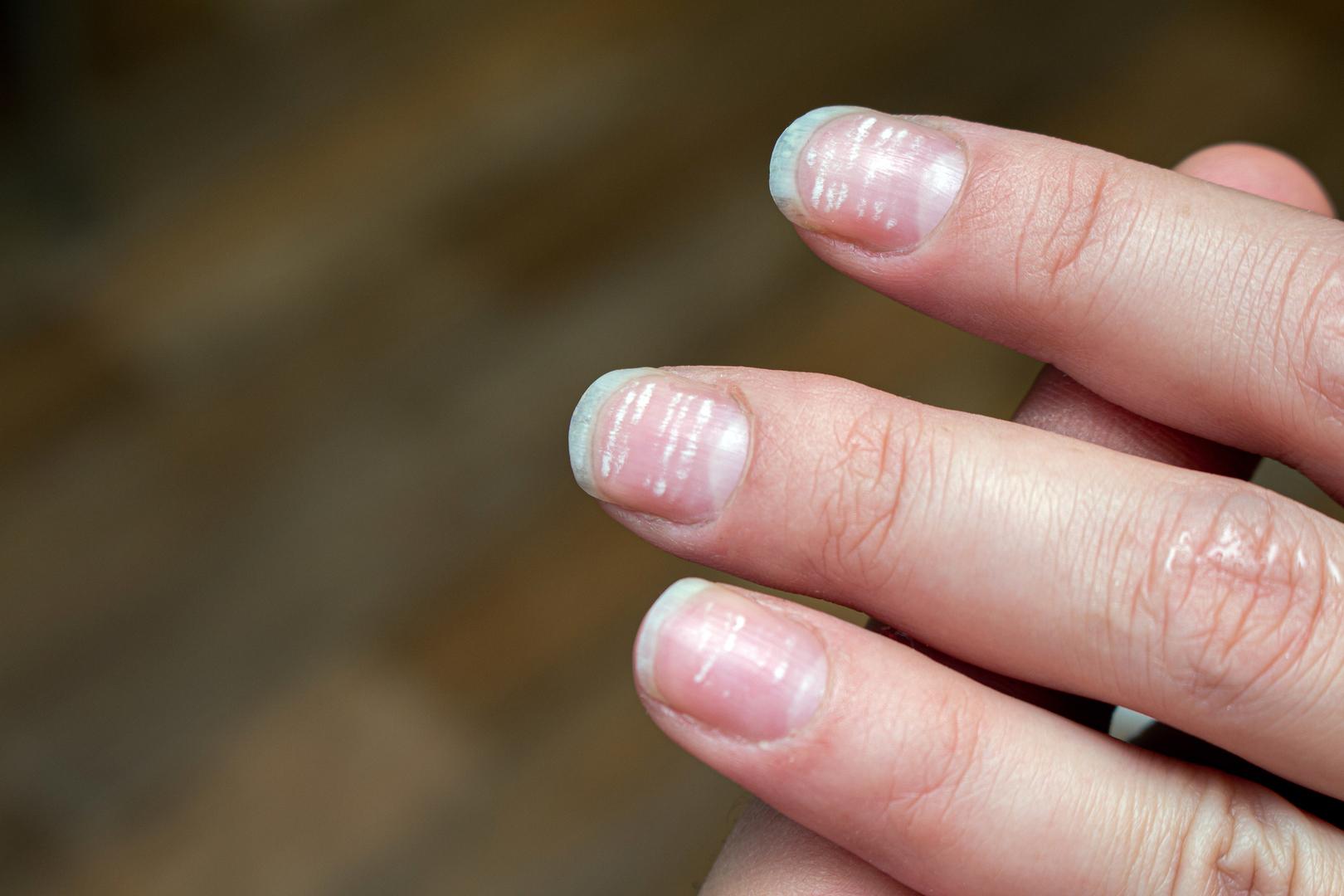
Your nails can act as a small window into your body’s health, reflecting both nutrition and the state of vital organs. Even minor changes in color, texture, or shape can signal deficiencies or health concerns that need attention.
Strengthen Your Nails with the Right Nutrients
Nutritionist Oshakiran Sisodia explains that nails are made of keratin, a protein essential for strong and healthy nails. Adding protein-rich foods such as eggs, lean meats, fish, poultry, legumes, and dairy products can significantly improve nail strength and resilience.
Yellow Nails: A Sign of Vitamin Deficiency or Poor Circulation
Yellow nails can indicate a vitamin B12 deficiency or poor blood circulation. To address this, include fish and dairy in your diet and practice regular exercise to stimulate blood flow and promote nail health.
Ridges or Grooves on Nails
Vertical or horizontal ridges and bumps on the nails may signal a deficiency in biotin (vitamin B7) or vitamin E. Foods like eggs, nuts, and seeds can help restore balance and improve nail texture.
White Spots on Nails
White spots often point to zinc deficiency. Increasing intake of zinc-rich foods such as oysters, beef, chicken, and pumpkin seeds can strengthen nails and support healthy growth.
Brittle or Cracked Nails
Nails that break or split easily may indicate a lack of omega-3 fatty acids or vitamin E. Consuming foods high in omega-3s, like salmon, chia seeds, and flax seeds, helps strengthen nails and prevent cracking.
Regularly monitoring your nails and making small dietary adjustments can be one of the easiest ways to detect early health issues before they worsen.

Regular health screening is one of the most important steps to maintain good health and detect diseases early. The essential medical checkups for every age help in preventing complications and ensuring a healthier life.

Many people, after doing medical tests, receive their results and immediately start looking at numbers and unfamiliar terms like (High – Low – Normal) without fully understanding what they actually mean.

When dealing with medical services, many people come across different titles for doctors such as “Specialist” and “Consultant”, which can sometimes create confusion about what each title actually means and how they differ from each other.

Choosing the right time to visit a doctor is not a random decision. It can directly affect how quickly a condition is diagnosed and how effective the treatment will be. Many people delay visiting a doctor or go at the wrong time, which may lead to worsening symptoms or delayed care.
