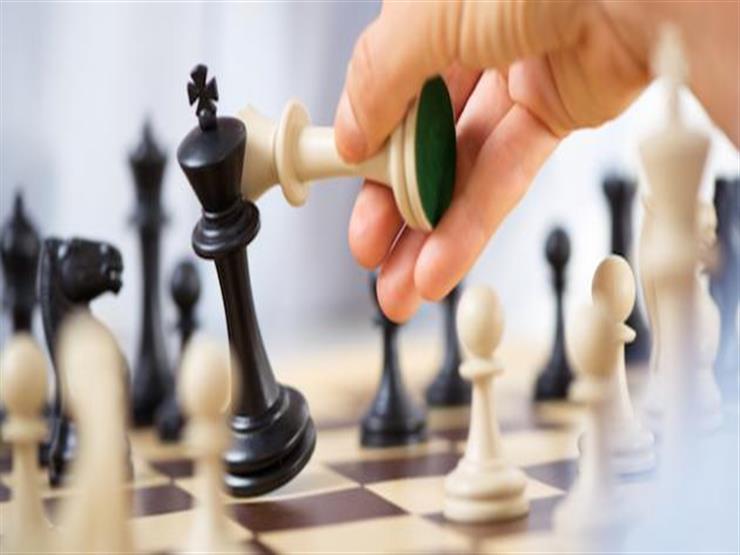
Chess is one of the most sophisticated intellectual games, serving as a mirror for the mind’s analytical, planning, and decision-making capabilities. Historically linked to genius and intelligence, modern research shows that mastery of chess reflects a combination of innate abilities and skills developed through consistent practice.
The game challenges the brain to process vast amounts of information, anticipate opponents’ moves, and evaluate multiple possibilities, activating higher executive functions such as planning, attention control, and spatial analysis. Studies from the U.S. National Center for Biotechnology Information (NCBI) indicate that children who play chess regularly from an early age show measurable improvements in non-verbal intelligence, spatial organization, and sustained attention, along with enhanced body schema perception related to visual-spatial intelligence.
Research published in Children journal found that children who regularly play chess perform better in abstract intelligence and visual self-perception tests, also improving focus and self-regulation in stressful situations.
Success in chess is influenced not just by raw IQ but by fluid intelligence—the ability to process new information and recognize complex patterns. A meta-analysis in Intelligence journal revealed that chess skills are positively correlated with logical thinking, processing speed, and working memory, especially in younger players, highlighting its long-term benefits when incorporated into early education.
Chess also organizes cognitive perception, as players continuously interact with time, space, and movement, forming new neural connections between visual perception areas and frontal lobes, enhancing cognitive flexibility. This allows better adaptation to complex environments and precise decision-making under pressure, positioning chess as a mental equivalent to physical exercise.
Furthermore, chess fosters social intelligence and emotional awareness, teaching discipline, respect, and understanding opponents’ psychological states. Children learn to lose gracefully and win humbly, developing emotional maturity and better coping mechanisms for life’s challenges.
Conclusion:
Chess is not merely a measure of intelligence but a practical tool for developing it. Regular play cultivates strategic thinking, enhances cognitive abilities, and positively impacts academic, professional, and social performance. Chess acts as a micro-laboratory of human intelligence, integrating thought, perception, and emotion in continuous interaction.