
Clinical Nutrition Secrets: How to Boost Your Immunity and Lose Weight Without Common Diet Mistakes
Introduction
Many people search for effective ways to strengthen their immune system while losing weight at the same time. However, common nutritional mistakes often prevent them from achieving these goals.
The truth is that clinical nutrition is not only about choosing healthy foods, but also about understanding how food affects immunity, metabolism, and hormones in the body.
First: The Relationship Between Immunity and Weight
Many people do not realize that the immune system is directly linked to dietary habits and body weight.
An unhealthy diet can weaken immunity and increase inflammation in the body, which negatively affects the ability to lose weight naturally.
Excess fat, especially around the abdomen, is also associated with weakened immunity and a higher risk of diseases.
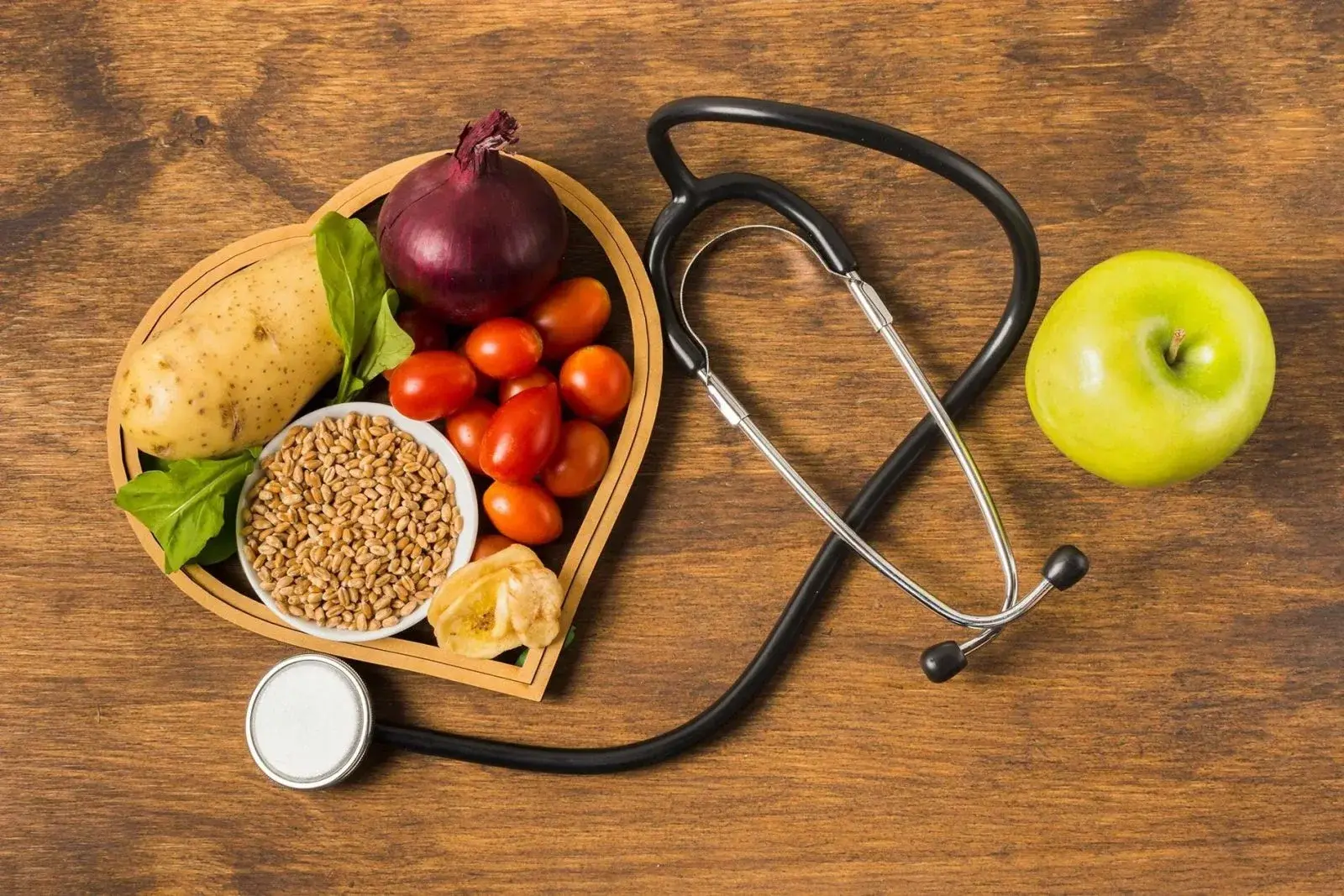
Second: Foods That Boost Immunity and Support Fat Burning
1. Vitamin C-Rich Foods
Such as oranges, lemons, and peppers, which help strengthen the immune system and reduce inflammation.
2. Healthy Proteins
Such as eggs, chicken, and legumes, which help build muscle and increase metabolism.
3. Healthy Fats
Such as olive oil and nuts, which support hormonal balance and reduce inflammation.
4. Fiber-Rich Foods
Such as vegetables and whole grains, which improve digestion and promote a feeling of fullness.
5. Whole, Unprocessed Foods
Eating natural, unprocessed foods can help reduce calorie intake and increase satiety compared to processed foods.
Third: Hidden Diet Mistakes That Prevent Weight Loss
1. Excessive Calorie Restriction
Extreme dieting can slow down metabolism and lead to muscle loss instead of fat loss.
2. Following Diet Trends Blindly
There is no one-size-fits-all diet. Consistency is the key factor in achieving successful results.
3. Overeating “Healthy” Foods
Even healthy foods can lead to weight gain if consumed in large quantities.
4. Ignoring Food Quality
The quality of food matters more than the type of diet, as processed foods negatively impact health and metabolism.
5. Lack of Consistency
Real results come from long-term commitment, not short-term dieting.
Fourth: Why Do Most Diets Fail?
Most diets produce similar results, but the real difference lies in how consistent a person is in following them.
Strict diets often lead to weight regain due to their difficulty to maintain over time.
Fifth: Smart Strategies for Immunity and Weight Loss
Eat balanced meals that include protein and vegetables
Reduce sugar and processed foods
Drink enough water daily
Exercise regularly
Get enough sleep
Sixth: The Role of Lifestyle in Clinical Nutrition Success
Diet alone is not enough; it must be supported by healthy habits such as:
Reducing stress, as it affects hormones
Maintaining a regular sleep schedule
Avoiding unhealthy eating patterns
When Should You See a Nutrition Specialist?
If you experience weight plateau
If you frequently suffer from weak immunity
If you have chronic conditions such as diabetes
Conclusion
Clinical nutrition is not just a temporary diet plan, but a complete lifestyle based on balance between healthy food and daily habits. Strengthening immunity and losing weight are not achieved through deprivation, but through understanding your body and adopting a sustainable lifestyle.