
Closing Gaps Between Teeth in Fifth Settlement | Dr. Mohamed Mahmoud Abdel Razek
Gaps between teeth can affect the appearance of a smile. Some people notice a space between their two front teeth, while others have gaps in several areas. The causes vary and may be related to tooth size, alignment, missing teeth, or gum problems that require assessment. Closing gaps between teeth is therefore not a matter of choosing one cosmetic procedure for everyone. It begins with identifying the cause and assessing the teeth, gums, and bite. You can contact Dr. Mohamed Mahmoud Abdel Razek to inquire about suitable treatment options for your situation.
📍 Location and Contact Details
Ozone Medical Mall – Fifth Settlement, Cairo
Additional branches are available in Cairo, Alexandria, Assiut, Sohag, and Qena.
📞 Phone: 01144966663
What Are Gaps Between Teeth?
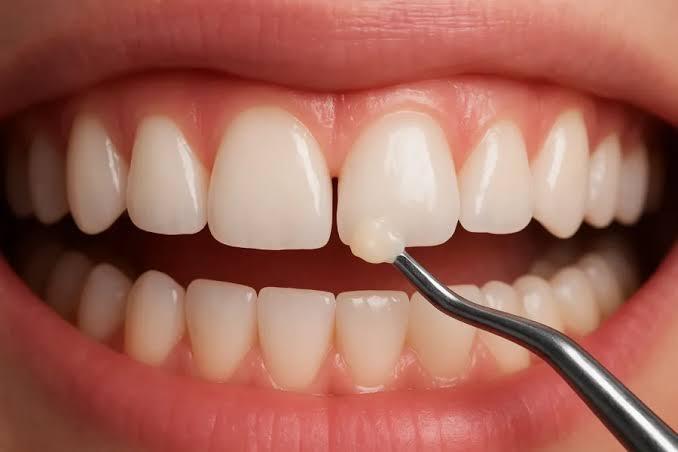
The clinical term for a gap between teeth is diastema. These spaces can appear between two or more teeth, most commonly between the upper front teeth.
Some gaps are small and do not affect dental function, while larger spaces may be associated with tooth alignment or bite problems. In certain cases, gaps are simply a feature of a person's smile, and treatment is considered for cosmetic reasons.
However, if a gap has appeared recently or is becoming wider, it is important to identify the cause rather than focusing only on the appearance of the teeth. These changes can sometimes be associated with gum disease or problems affecting the tissues that support the teeth.
What Causes Gaps Between Teeth?
The reasons for gaps vary from person to person. Identifying the cause helps determine the most appropriate treatment.
Possible causes include:
-
Teeth that are small in relation to the jaw: If teeth are relatively small, extra space may remain between them.
-
Tooth alignment differences: The position or development of the teeth may leave spaces in certain areas.
-
Missing teeth: Losing a tooth can leave a space and may affect the position of neighboring teeth over time.
-
Certain oral habits: Repeated tongue pressure against the teeth or other habits may influence tooth position.
-
A prominent tissue attachment between the front teeth: The tissue connecting the lip and gum may contribute to certain gaps.
-
Gum disease: Problems affecting the gums and supporting tissues may reduce tooth stability and can be associated with new or widening spaces.
The cause cannot always be identified from the appearance of the gap alone. An assessment of the teeth and gums is therefore advisable before choosing treatment.
Do All Gaps Between Teeth Need Treatment?
No. Some gaps are natural, especially in children during the transition from baby teeth to permanent teeth. Certain spaces may become smaller as permanent teeth develop, depending on the individual case.
In adults, gaps may simply be a feature of the smile without affecting dental function. In such situations, cosmetic options can be discussed if the person wishes to close them.
However, newly developing or widening gaps should be examined, particularly when accompanied by gum bleeding, swelling, or loose teeth. The goal is not only to close the space but also to identify and address any underlying health problem before cosmetic treatment.
What Are the Treatment Options for Closing Gaps Between Teeth?
The appropriate approach depends on the size and location of the gap, its cause, and the condition of the teeth, gums, and bite. Options that may be discussed following an examination include:
Orthodontic Treatment
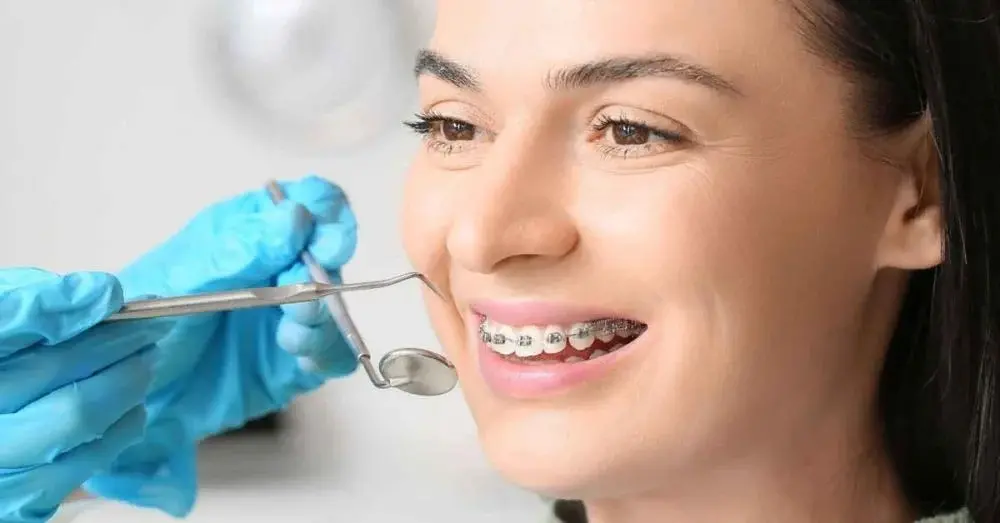
Braces gradually move teeth into more appropriate positions and can close gaps when the problem is related to tooth alignment or the bite.
Treatment may involve traditional braces or clear aligners in suitable cases. The choice depends on the complexity of the problem and the amount of tooth movement needed. Not every type of appliance is suitable for every patient.
Following the treatment plan and attending review appointments are important. A retainer may be recommended after treatment to help maintain tooth alignment and reduce the risk of gaps reopening.
Dental Bonding
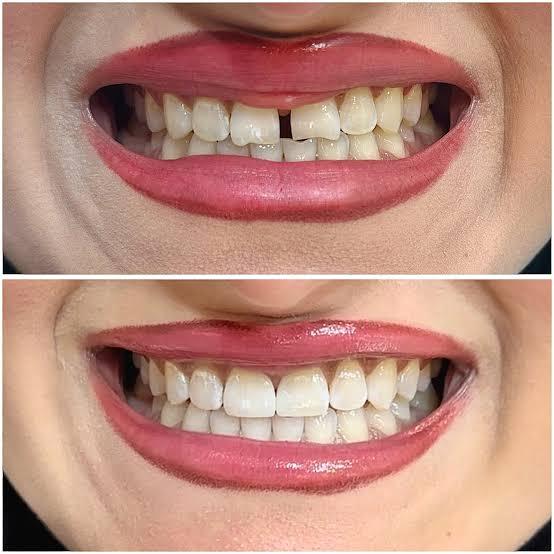
Dental bonding uses tooth-colored composite resin to reshape certain teeth and conceal small gaps in appropriate cases.
This option may involve less intervention than some other cosmetic procedures, but its suitability depends on the gap size, tooth shape, and bite. Composite material requires good oral care and may become stained, worn, or chipped over time.
A small gap does not automatically mean that bonding is the best option. The dentist must consider natural tooth proportions and avoid making the teeth unnecessarily wide.
Dental Veneers
Veneers are thin coverings bonded to the front surfaces of teeth. In selected cases, they may improve tooth shape and color while concealing gaps.
They are not suitable for everyone. Some types require removal of part of the tooth enamel, which cannot be fully reversed. Tooth and gum health, bite alignment, benefits, and limitations should therefore be evaluated before deciding on veneers.
Replacing Missing Teeth
When a gap is caused by a missing tooth, treatment may involve discussing replacement options rather than treating the space as a purely cosmetic concern.
Depending on the case, options may include dental restorations or implants. The choice depends on the condition of adjacent teeth, jawbone, gums, and the patient's overall health. An individual assessment is needed before selecting the appropriate option.
How Do You Choose the Right Treatment for Closing Gaps?
There is no single treatment that suits everyone. An approach appropriate for a small gap between the front teeth may not be suitable for multiple spaces or a problem involving the bite.
The process begins with examining the teeth and gums, identifying the cause and size of the gaps, and assessing whether treatment needs to move the teeth, reshape them, or replace a missing tooth.
It is also important to discuss the expected duration, cost, care requirements, and whether follow-up or a retainer will be needed to maintain the result.
The priority is to select a plan that protects oral health and supports the appearance and function of the teeth rather than focusing on speed or cosmetic appearance alone.
Can Gaps Reappear After Treatment?
Yes. Some gaps may return after treatment, especially if tooth alignment is not maintained or the original cause remains unresolved.
After orthodontic treatment, a dentist may recommend a retainer and provide instructions for its use. Following bonding or veneers, maintaining oral hygiene and monitoring the restorations are also important.
If the gaps are associated with gum disease, addressing the underlying problem is an essential part of treatment. Closing the space alone does not treat a condition that may affect tooth stability.
Long-term results cannot be guaranteed for every patient. They depend on the cause of the gaps, the treatment selected, oral care, and follow-up.
Why Is an Examination Important Before Closing Gaps?
An examination can identify issues that may affect treatment choice or outcomes, including tooth decay, gum inflammation, and bite problems.
It also helps determine whether the gaps are related to natural differences in tooth size, alignment concerns, or another condition that needs treatment first. Photographs or imaging may be recommended when needed.
If the spaces are getting wider or are accompanied by bleeding, swelling, or loose teeth, the gums and supporting tissues should be assessed before considering cosmetic closure.
Closing Gaps Between Teeth with Dr. Mohamed Mahmoud Abdel Razek
If you would like to improve your smile or understand the options for closing gaps between your teeth, you can contact Dr. Mohamed Mahmoud Abdel Razek to inquire about an appointment and discuss possible treatment after an assessment.
📍 Location: Ozone Medical Mall – Fifth Settlement, Cairo.
📍 Additional branches: Cairo, Alexandria, Assiut, Sohag, and Qena.
📞 Phone: 01144966663
Frequently Asked Questions About Closing Gaps Between Teeth
Can gaps between teeth be closed without braces?
Yes. Dental bonding or veneers may be suitable for certain cases, especially smaller gaps. The appropriate option depends on the cause and the condition of the teeth.
Which is better for closing gaps: braces or bonding?
It depends on the case. Orthodontic treatment moves teeth, while bonding changes the shape of the teeth to conceal a gap. An examination helps determine the more appropriate option.
Are gaps between teeth a health problem?
Not all gaps indicate a health problem. However, new or widening spaces, particularly when accompanied by gum bleeding or loose teeth, should be assessed.
Can gaps return after braces?
Yes, in some cases. A retainer and regular follow-up may be recommended to help maintain the results.
How can I book an appointment with Dr. Mohamed Mahmoud Abdel Razek?
You can inquire or book through WhatsApp at 01144966663 using the direct link.
Arrange an Appointment to Discuss Closing Gaps Between Teeth
Gaps between teeth can have different causes, so appropriate treatment begins with an examination and an understanding of the underlying reason before selecting a cosmetic or orthodontic procedure.
To inquire about available options and booking with Dr. Mohamed Mahmoud Abdel Razek, contact the clinic by phone or WhatsApp.