Coffee and Kidney Health: Is It Safe?
Research shows coffee is generally safe for kidneys if consumed in moderation, but caution is needed for high blood pressure or kidney stone patients.

Studies indicate that moderate coffee consumption does not harm kidney function and may provide benefits such as boosting metabolism and reducing risks of certain diseases.
However, caution is advised in these cases:
-
High blood pressure: Caffeine can raise blood pressure in some individuals.
-
Kidney stones: Coffee contains oxalates, which may contribute to stone formation.
-
Excessive consumption: More than two cups daily may affect kidney function in elderly or obese patients with metabolic syndrome.
Coffee is also low in potassium, making it relatively safe compared to other high-potassium foods for kidney patients.
Safe coffee tips:
-
Moderation: 3–4 cups daily for most people.
-
Drink black coffee to avoid extra phosphorus and potassium.
-
Include coffee in your daily fluid allowance if fluid restriction is needed.
-
Consider caffeine-free coffee, black tea, or green tea if caffeine raises blood pressure or causes palpitations.
Coffee is not an enemy to kidney health when consumed wisely, but chronic kidney patients should consult their doctor for personalized advice.

Regular health screening is one of the most important steps to maintain good health and detect diseases early. The essential medical checkups for every age help in preventing complications and ensuring a healthier life.
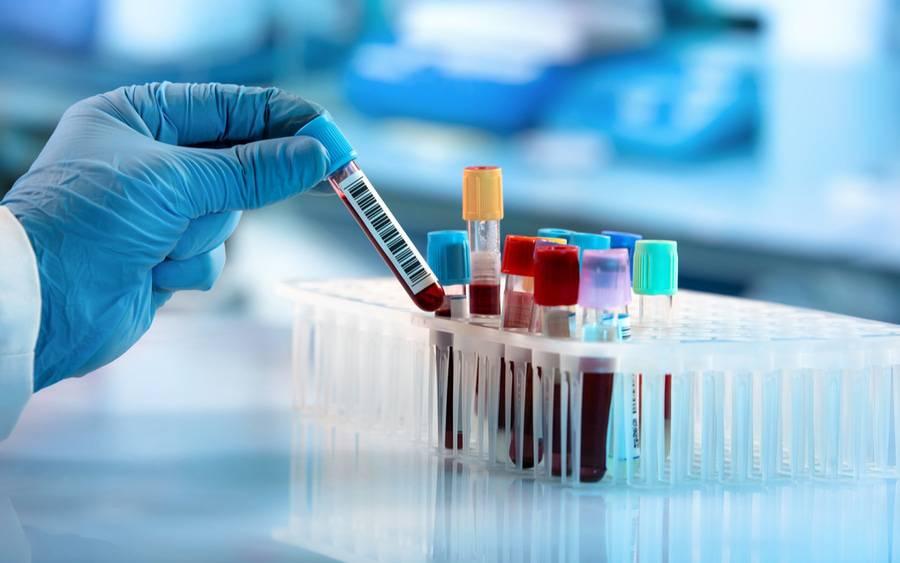
Many people, after doing medical tests, receive their results and immediately start looking at numbers and unfamiliar terms like (High – Low – Normal) without fully understanding what they actually mean.

When dealing with medical services, many people come across different titles for doctors such as “Specialist” and “Consultant”, which can sometimes create confusion about what each title actually means and how they differ from each other.

Choosing the right time to visit a doctor is not a random decision. It can directly affect how quickly a condition is diagnosed and how effective the treatment will be. Many people delay visiting a doctor or go at the wrong time, which may lead to worsening symptoms or delayed care.
