Common Foods That Can Harm Heart and Kidney Health: Risks and Prevention
Some everyday foods may harm your heart and kidneys, especially if you take certain medications or have underlying health issues. Learn which foods to avoid and how to protect your health.

Recent studies show that certain common foods can negatively affect heart and kidney health, particularly when consumed excessively or alongside certain medications. Key foods and their potential effects include:
-
Bananas: Rich in potassium, which is beneficial in normal conditions, but in individuals with kidney dysfunction or taking medications like spironolactone or antipsychotics, potassium may reach dangerous levels, potentially causing heart problems.
-
Grapefruit: Interferes with liver metabolism of some medications, potentially increasing drug levels dangerously, especially for transplant patients or those taking critical drugs such as immunosuppressants or heart medications.
-
Spinach: Although nutritious, its high potassium and oxalate content may affect kidney health and increase the risk of kidney stones. It can also interfere with blood thinners like warfarin, necessitating caution and moderation.
-
Soybeans: High in sodium, which can lead to fluid retention, shortness of breath, elevated blood pressure, and increased risk of cardiovascular disease.
-
Licorice: May raise blood pressure and lower potassium levels, often present in supplements, teas, or flavored products. Caution is advised for those with high blood pressure or heart and kidney issues.
Prevention Tips:
-
Moderate consumption of potassium- and sodium-rich foods.
-
Drink plenty of water to help flush out excess salts.
-
Monitor kidney function regularly if you have any impairment.
-
Consult your doctor if you take medications that may interact with these foods.
-
Maintain a balanced diet rich in fruits and vegetables, considering portion sizes.
Following these guidelines can help protect heart and kidney health and prevent potential complications.

Regular health screening is one of the most important steps to maintain good health and detect diseases early. The essential medical checkups for every age help in preventing complications and ensuring a healthier life.
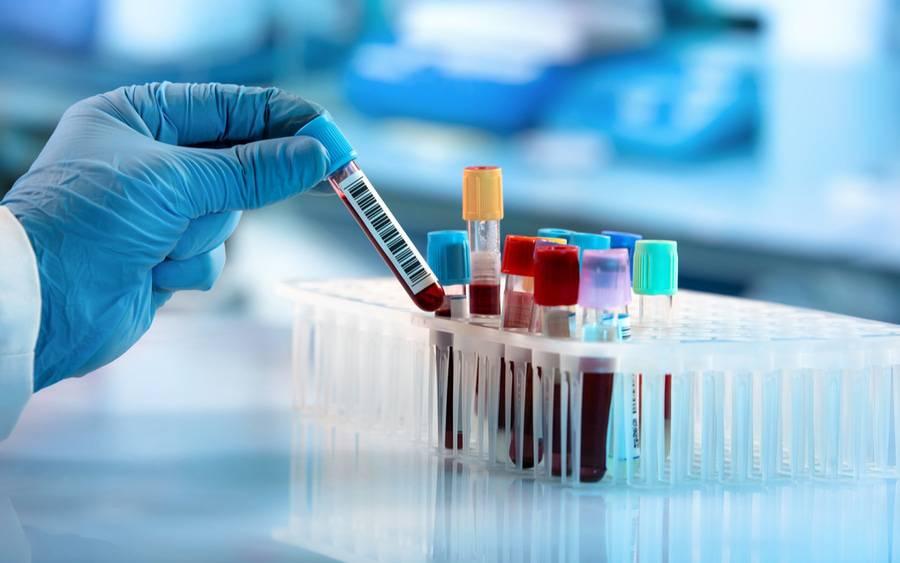
Many people, after doing medical tests, receive their results and immediately start looking at numbers and unfamiliar terms like (High – Low – Normal) without fully understanding what they actually mean.

When dealing with medical services, many people come across different titles for doctors such as “Specialist” and “Consultant”, which can sometimes create confusion about what each title actually means and how they differ from each other.

Choosing the right time to visit a doctor is not a random decision. It can directly affect how quickly a condition is diagnosed and how effective the treatment will be. Many people delay visiting a doctor or go at the wrong time, which may lead to worsening symptoms or delayed care.
