Common Mistakes When Choosing a Doctor | A Simple Informational Guide
Choosing the right doctor is one of the most important decisions in any healthcare journey. However, many people make mistakes during this process, which can affect the quality of care they receive or delay proper treatment. In this article, we highlight some of the most common mistakes people make when selecting a doctor, presented in a simple and informative way to help you make more informed decisions.


Common Mistakes When Choosing a Doctor | A Simple Informational Guide
Choosing the right doctor is one of the most important decisions in any healthcare journey. However, many people make mistakes during this process, which can affect the quality of care they receive or delay proper treatment. In this article, we highlight some of the most common mistakes people make when selecting a doctor, presented in a simple and informative way to help you make more informed decisions.
1) Relying Only on Recommendations Without Research
One of the most common mistakes is choosing a doctor based only on recommendations from friends or family without doing any personal research.
While recommendations can be helpful, they are not always enough because:
- Every medical case is different
- What works for one person may not work for another
- Specialization and experience vary greatly
A better approach is to combine recommendations with personal research.
2) Choosing Based on Reputation Only
Many people assume that a well-known doctor is automatically the best choice. However, reputation alone is not a reliable medical indicator.
Reputation may come from:
- Media exposure or advertisements
- Online presence or popularity
- Working in well-known clinics or hospitals
More important factors include specialization, experience in similar cases, and treatment outcomes.
3) Ignoring Medical Specialization
Another frequent mistake is visiting a general doctor instead of a specialist for a specific condition.
For example:
- Knee pain → orthopedic specialist
- Skin conditions → dermatologist
- Heart-related symptoms → cardiologist
Proper specialization can significantly improve diagnosis accuracy and treatment quality.
4) Focusing Only on Consultation Fees
Choosing a doctor based only on the lowest or highest consultation fee can be misleading.
Price alone does not reflect:
- Medical expertise
- Accuracy of diagnosis
- Quality of care
A balanced decision should consider experience, specialization, communication, and cost.
5) Ignoring Patient Reviews and Feedback
Some people completely ignore online reviews, while others rely on them too heavily. The correct approach is balanced evaluation.
When reading reviews, it is important to:
- Look at overall patterns, not individual opinions
- Check repeated comments
- Compare different experiences
Consistent positive feedback, such as good communication or clear explanations, can be a helpful indicator.
6) Overlooking Communication Style
The way a doctor communicates with patients plays a major role in the overall experience.
A good doctor usually:
- Listens carefully to the patient
- Explains the condition clearly
- Does not rush the consultation
- Encourages questions
Good communication improves understanding and treatment adherence.
7) Judging Based on First Impression Only
Some patients make decisions based on a quick first impression of the clinic or doctor.
However, medical diagnosis requires time and proper evaluation. First impressions alone are not enough to judge medical competence.
8) Changing Doctors Too Quickly
Another common mistake is switching doctors too quickly if results are not immediate.
Some conditions require:
- Time for treatment to work
- Gradual follow-up
- Adjustments in medication or plan
Consistency and patience are often necessary for effective treatment.
9) Ignoring Follow-Up Convenience
Choosing a doctor who is difficult to reach or far away can make follow-up visits challenging.
Follow-up care is especially important for:
- Chronic diseases
- Long-term treatments
- Adjusting treatment plans
10) Relying on Internet Self-Diagnosis
While online research can be useful, relying on it completely without medical consultation is a mistake.
This is because:
- Many diseases share similar symptoms
- Self-diagnosis can be inaccurate
- Online information is general and not personalized
Conclusion
Choosing a doctor is an important decision that directly affects your health journey. Common mistakes such as relying only on recommendations, focusing on price, or choosing based on reputation alone can lead to poor outcomes or delays in proper treatment.
A better choice is based on a combination of specialization, experience, communication, patient feedback, and overall comfort with the doctor. This approach helps ensure more informed and balanced healthcare decisions.

Dr. Menna Morsi uses the latest cosmetic dentistry techniques to preserve the health of your teeth while delivering outstanding aesthetic results through a personalized treatment plan tailored to your individual needs.

Over time, neglecting oral hygiene while wearing braces can lead to plaque buildup, gum inflammation, bad breath, and even affect the overall success of your orthodontic treatment by potentially extending the treatment period.
Looking for vision improvement treatment in El Khusus? Dr. Mahmoud El-Azizi offers the latest technologies for diagnosing and treating vision problems, including laser vision correction, cataract and glaucoma treatment, with comprehensive eye care using state-of-the-art medical equipment.
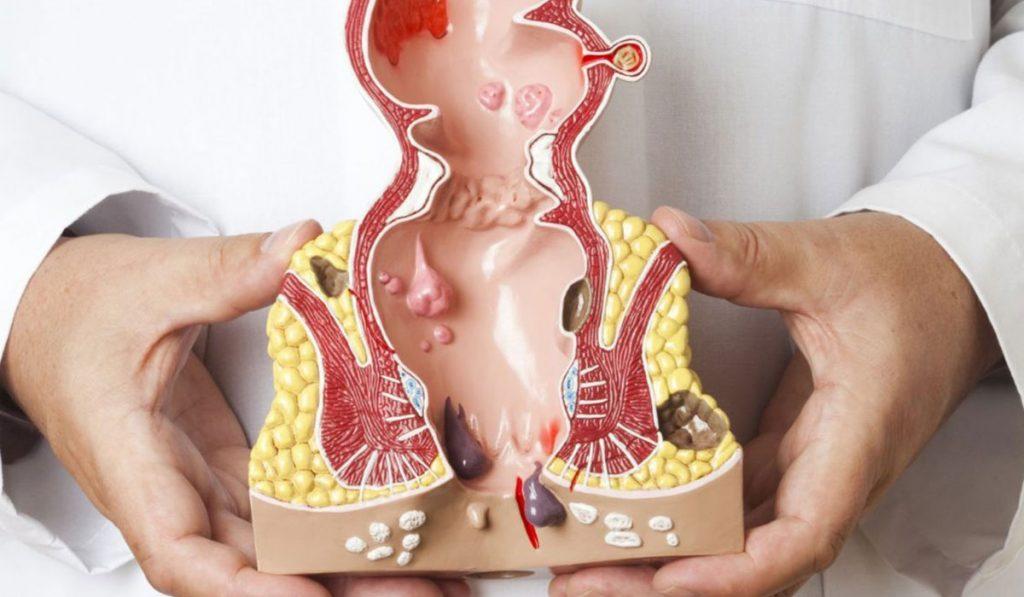
With the advancement of colorectal surgery, most cases of anal fistula and pilonidal sinus can now be treated using modern surgical and technological techniques that precisely remove the diseased tissue, minimize pain, accelerate wound healing, and reduce the risk of recurrence.
