
Coronary Artery Catheterization: When Is It Needed and How Is It Performed? | Dr. Bashir Hafez Mohamed Ali
If you experience chest pain, shortness of breath, or have been diagnosed with narrowing or blockage in one of your coronary arteries, your cardiologist may recommend further tests to identify the problem and determine the most appropriate treatment. Coronary artery catheterization is an important medical procedure used to examine the arteries that supply blood to the heart muscle. In some cases, it can also be used to treat narrowed arteries.
You can contact Dr. Bashir Hafez Mohamed Ali to arrange an appointment at his clinic in Dokki, discuss your symptoms and available test results, and learn about the next steps based on your medical evaluation.
📞 Appointments and inquiries: 01091177573
💬 Direct WhatsApp: +201090083368
What Is Coronary Artery Catheterization?
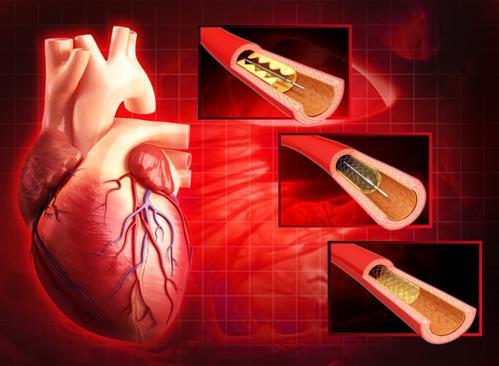
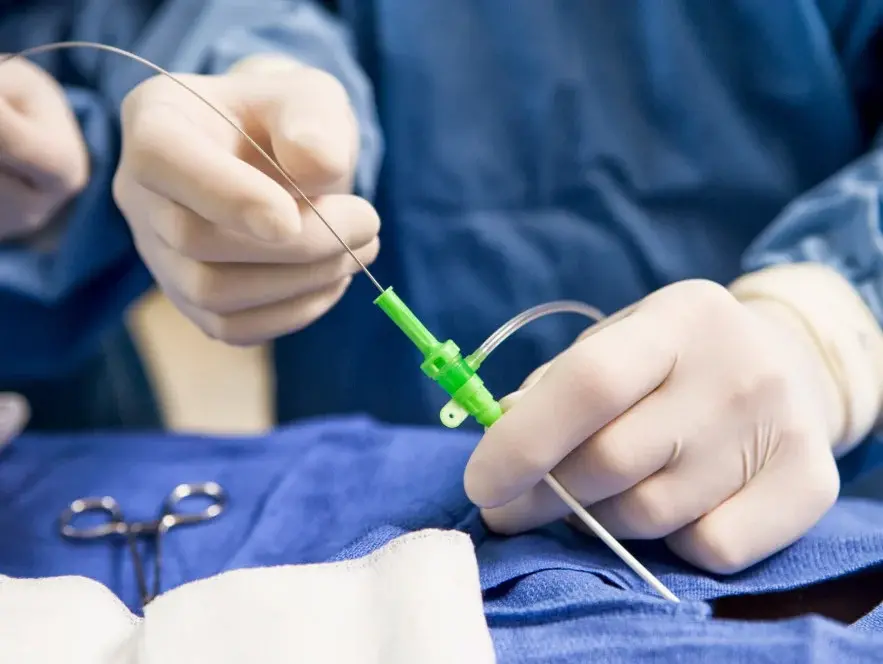
Coronary artery catheterization is a medical procedure used to examine the arteries that supply the heart muscle with blood and oxygen. During diagnostic catheterization, a thin, flexible tube called a catheter is inserted into a blood vessel, usually through the wrist or groin, and guided toward the coronary arteries using medical imaging.
A contrast dye is injected to make the arteries visible on X-ray images. This helps the medical team identify narrowed or blocked areas and assess how they may affect blood flow to the heart muscle.
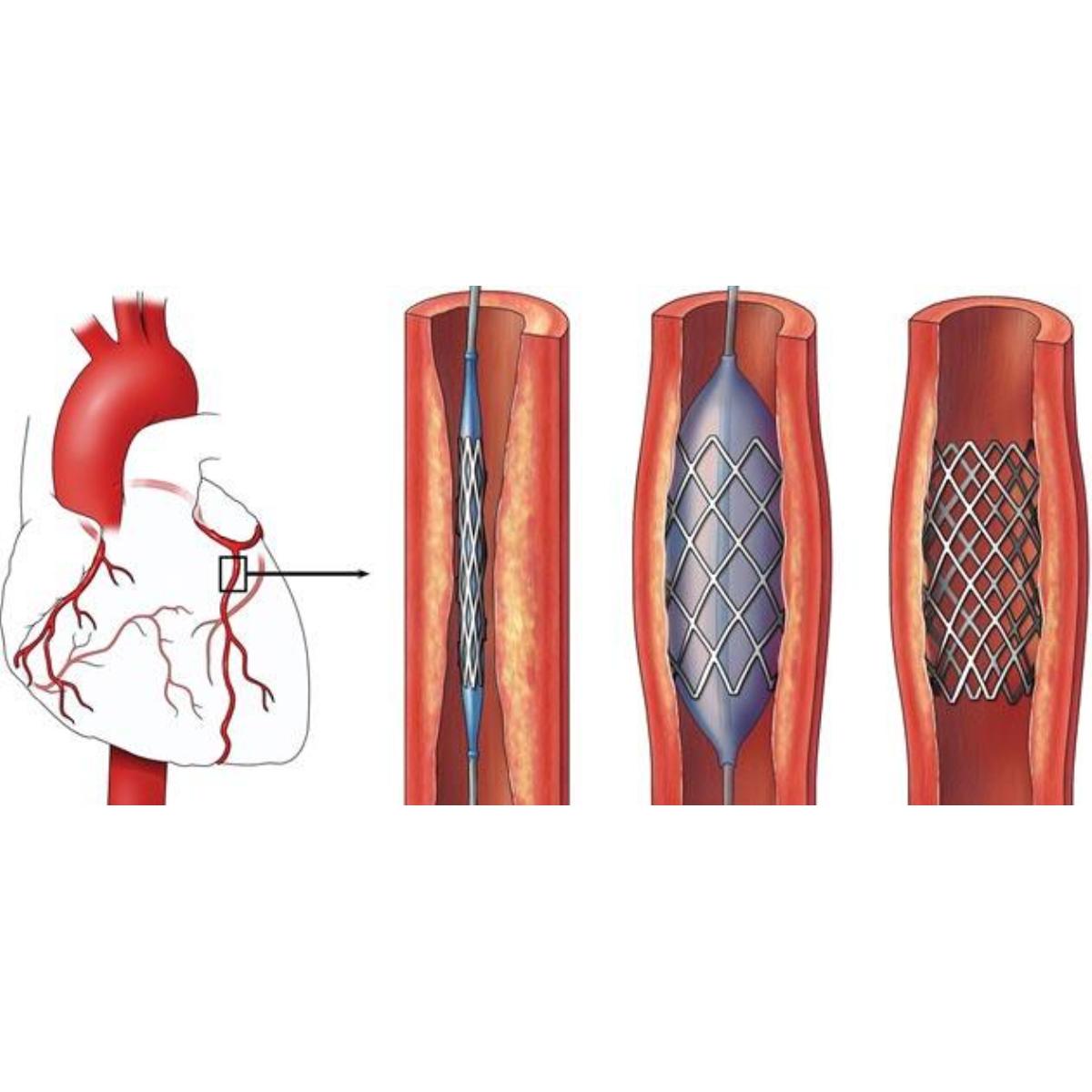
Catheterization may be performed for diagnostic purposes only or may include treatment in certain cases. For example, a narrowed artery may be widened using a balloon, and a stent may be inserted if the cardiologist determines that this is appropriate.
When Is Coronary Artery Catheterization Needed?
Not every patient with chest pain requires catheterization. The decision depends on the symptoms, clinical examination, and test results. A cardiologist may recommend the procedure in certain situations, including:
-
Suspected narrowing or blockage of the coronary arteries.
-
Symptoms suggesting reduced blood flow to the heart muscle.
-
Abnormal findings on certain cardiac tests.
-
Persistent angina despite medical treatment.
-
Suspected acute coronary artery problems.
-
The need to assess a blockage before deciding on the appropriate treatment.
The need for catheterization is determined after evaluating the patient's condition, medical history, risk factors, and available test results.
Important warning: Severe or new chest pain, especially when accompanied by significant shortness of breath, cold sweating, or fainting, may indicate a medical emergency. Call emergency services or go to the nearest emergency department immediately rather than waiting for a clinic appointment.
What Are the Symptoms of Coronary Artery Narrowing?
Some people with coronary artery disease may not experience noticeable symptoms in the early stages, while others may develop symptoms that vary in severity and frequency.
Symptoms that may require medical evaluation include:
-
Chest pain, pressure, or tightness.
-
Pain spreading to the arm, shoulder, back, or jaw.
-
Shortness of breath, particularly during physical activity.
-
Unusual fatigue during everyday activities.
-
Dizziness or nausea in some cases.
-
Symptoms that appear or worsen with movement or exertion.
These symptoms do not necessarily mean that the coronary arteries are narrowed, as other conditions can cause similar problems. A medical assessment is needed to identify the cause.
What Is the Difference Between Diagnostic and Therapeutic Catheterization?
Diagnostic and therapeutic catheterization have different purposes and may involve different steps.
Diagnostic Catheterization
The main purpose is to visualize the coronary arteries and identify the location and severity of any narrowing or blockage. The findings help the cardiologist assess blood flow and determine the appropriate treatment approach.
Therapeutic Catheterization
This procedure may be used to treat certain cases of coronary artery narrowing. A balloon can be used to widen the narrowed section, and a stent may be inserted when indicated.
Finding a narrowed artery does not automatically mean that a stent is necessary. The decision depends on the location and severity of the narrowing, the patient's symptoms, and the overall medical evaluation.
How Is Coronary Artery Catheterization Performed?
The procedure is performed in a suitably equipped medical facility under the supervision of a specialized team. The exact steps depend on the patient's condition and the type of procedure, but the process commonly includes the following stages.
1. Assessment Before the Procedure
The doctor reviews the patient's medical history and medications. Additional tests may be requested to assess kidney function, blood clotting, and other relevant factors. It is important to inform the medical team about any previous allergic reactions to contrast dye or medications.
2. Preparing the Access Site
The area where the catheter will be inserted is prepared, and local anesthesia may be used. Access may be through an artery in the wrist or groin, depending on what the medical team considers appropriate.
3. Imaging the Coronary Arteries
The doctor guides the catheter toward the coronary arteries. Contrast dye and X-ray imaging are then used to visualize the arteries and identify narrowed or blocked sections.
4. Deciding on the Next Step
After reviewing the findings, the cardiologist determines whether the patient may need medication, monitoring, catheter-based treatment, or discussion of other treatment options.
Is Coronary Artery Catheterization Risky?
Coronary artery catheterization is a commonly performed procedure in cardiology, but like any medical procedure, it carries potential risks. The level of risk depends on the patient's general health, kidney function, heart condition, and whether the procedure is diagnostic or therapeutic.
Possible complications include bleeding or bruising at the access site, a reaction to the contrast dye, or an irregular heartbeat. More serious complications, such as blood clots, blood vessel damage, or stroke, are less common but can occur.
Pre-procedure assessment and following the medical team's instructions can help reduce certain risks. Patients should discuss the expected benefits and possible complications with their cardiologist.
How Should Patients Prepare for Coronary Artery Catheterization?
Preparation instructions depend on the type of procedure and the patient's medical condition. The medical team may recommend the following:
-
Completing the required tests before the appointment.
-
Informing the doctor about all medications and supplements being taken.
-
Reporting any allergies to medications or contrast dye.
-
Following instructions about eating and drinking before the procedure.
-
Not stopping blood thinners, diabetes medications, or other prescribed medicines without medical advice.
-
Arranging transportation home if recommended by the medical team.
Always follow the specific instructions provided by your doctor, as preparation requirements differ between patients.
What Happens After Catheterization?
After the procedure, the medical team monitors the patient to ensure that their condition is stable and checks the catheter insertion site. The length of observation depends on the type of procedure, its findings, and the patient's overall health.
If the procedure was diagnostic only, the doctor explains the results and discusses the available options. If an artery was widened or a stent was inserted, the patient may need specific medications, including antiplatelet medicines, according to the doctor's instructions.
It is essential not to stop prescribed medication after stent placement without consulting the treating doctor, as doing so may increase the risk of a blood clot forming inside the stent.
What Factors Increase the Risk of Coronary Artery Disease?
Several factors may increase the likelihood of developing coronary artery disease, including:
-
Smoking.
-
High blood pressure.
-
High cholesterol.
-
Diabetes.
-
Excess weight and physical inactivity.
-
A family history of premature heart disease.
-
Increasing age.
Managing risk factors through medical follow-up, taking prescribed medication, eating a balanced diet, and engaging in appropriate physical activity can support heart health and help reduce certain risks.
When Should You See a Cardiologist?
A medical assessment is recommended if you experience recurring chest pain, shortness of breath during physical activity, abnormal cardiac test results, or have a medical history and risk factors that require monitoring.
The appropriate tests depend on your symptoms and medical history. These may include an electrocardiogram or other investigations. Catheterization may be considered if the findings indicate that it is needed.
If a heart attack is suspected or chest pain is severe or persistent, seek emergency medical care immediately.
Dr. Bashir Hafez Mohamed Ali: Coronary Artery Catheterization Inquiries
If you need a medical assessment for a possible coronary artery problem, you can contact Dr. Bashir Hafez Mohamed Ali to arrange an appointment, discuss your symptoms and previous test results, and learn which next steps may be appropriate for your condition.
📞 Appointments and inquiries: 01091177573
💬 Direct WhatsApp: +201090083368
📘 Facebook page: Dr. Bashir Hafez Mohamed Ali
Dr. Bashir Hafez Mohamed Ali’s Clinic Address in Dokki
📍 Address: 45 El-Dokki Street, Dokki Square, 4th Floor, above Farghali Juice Shop.
You can contact the clinic in advance to ask about available appointments and booking details.
Book an Appointment
If you experience symptoms that may be related to coronary artery disease or need to discuss your cardiac test results, a medical evaluation can help clarify your condition and the available options.
Contact the clinic to ask about appointments and arrange a visit.
📞 Phone: 01091177573
💬 WhatsApp: +201090083368
This article is intended for general educational purposes and does not replace medical advice. Whether coronary artery catheterization or another treatment is necessary can only be determined through an individual assessment by a qualified medical professional.