
Coronary Artery Insufficiency in Dokki | Dr. Bashir Hafez Mohamed Ali Consultant Cardiologist and Cardiac Catheterization Specialist
Dr. Bashir Hafez Mohamed Ali – Consultant Cardiologist and Cardiac Catheterization Specialist at the National Heart Institute
📞 Phone Number: 01091177573
💬 WhatsApp: +201090083368
📍 Address: 45 Dokki Street – Dokki Square – 4th Floor – Above Farghaly Juice, Dokki, Giza, Egypt
🗺️ Clinic Location: https://maps.app.goo.gl/36QCpPd6hn5fjqREA
If you are looking for a doctor specializing in coronary artery insufficiency in Dokki, Dr. Bashir Hafez Mohamed Ali provides specialized diagnosis and follow-up for heart and coronary artery diseases, in addition to diagnostic and therapeutic cardiac catheterization services. Coronary artery insufficiency is a condition that requires accurate medical evaluation, especially when symptoms such as chest pain, shortness of breath, or unusual fatigue occur during physical activity. Evaluation depends on the patient's symptoms, medical history, risk factors, and appropriate diagnostic tests to determine the most suitable treatment plan for each patient.
Who Is Dr. Bashir Hafez Mohamed Ali?
Dr. Bashir Hafez Mohamed Ali is a Consultant Cardiologist and Cardiac Catheterization Specialist at the National Heart Institute. He holds a Doctorate in Cardiology and Cardiac Catheterization, in addition to an Egyptian Board Fellowship in Cardiac and Coronary Artery Catheterization. He is also a member of the Egyptian Society of Cardiology.
Dr. Bashir Hafez provides specialized diagnosis and follow-up for heart and coronary artery diseases, with experience in diagnostic and therapeutic cardiac catheterization and the evaluation of coronary artery conditions.
What Is Coronary Artery Insufficiency?
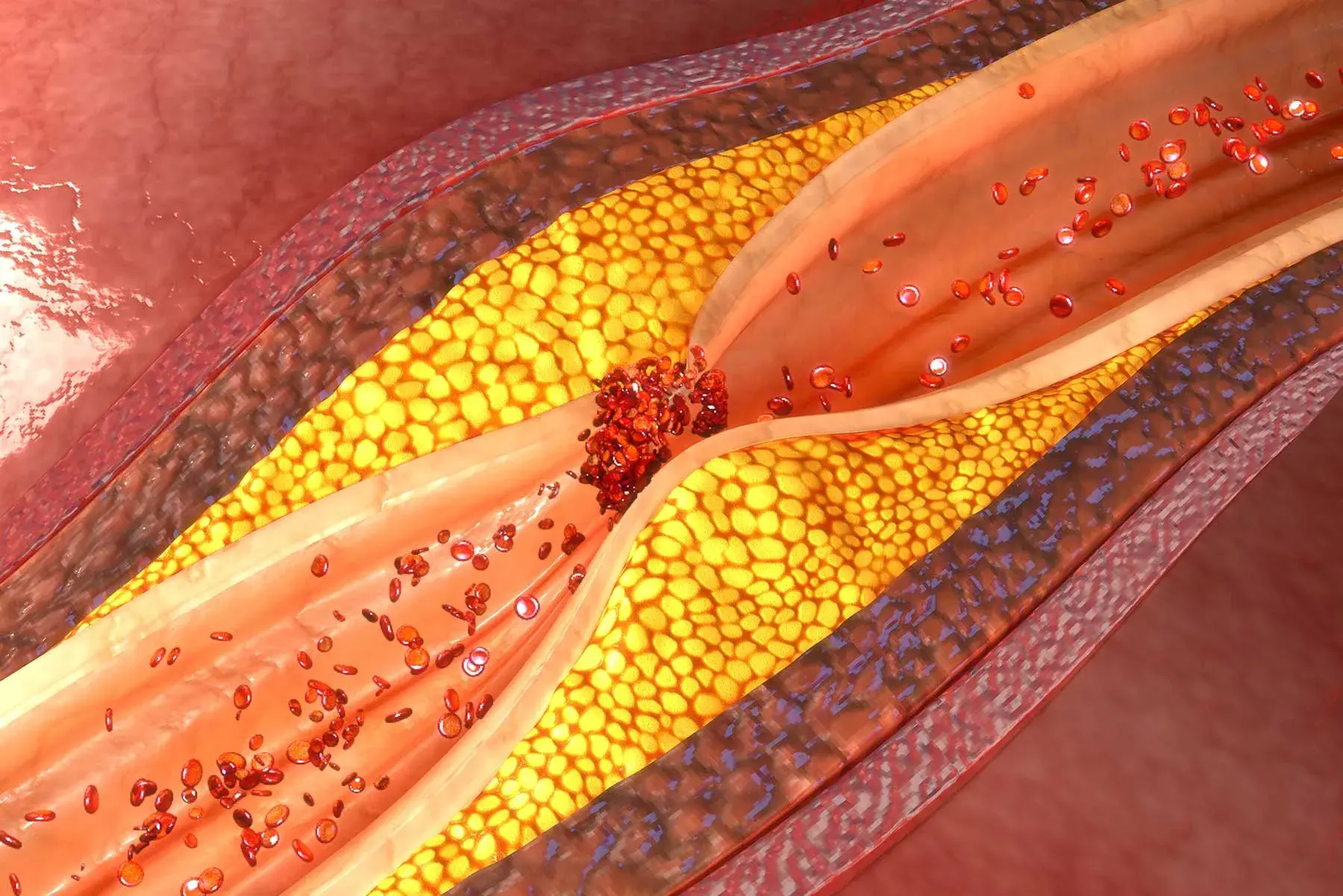
Coronary artery insufficiency is a condition that occurs when the arteries supplying blood and oxygen to the heart muscle become narrowed or blocked. It is commonly associated with the buildup of fats and cholesterol inside the artery walls, a process known as atherosclerosis.
Coronary artery narrowing may develop gradually, which means that some patients may not experience obvious symptoms during the early stages. As the degree of narrowing increases, various symptoms may appear, particularly during physical activity or exertion.
Symptoms of Coronary Artery Insufficiency 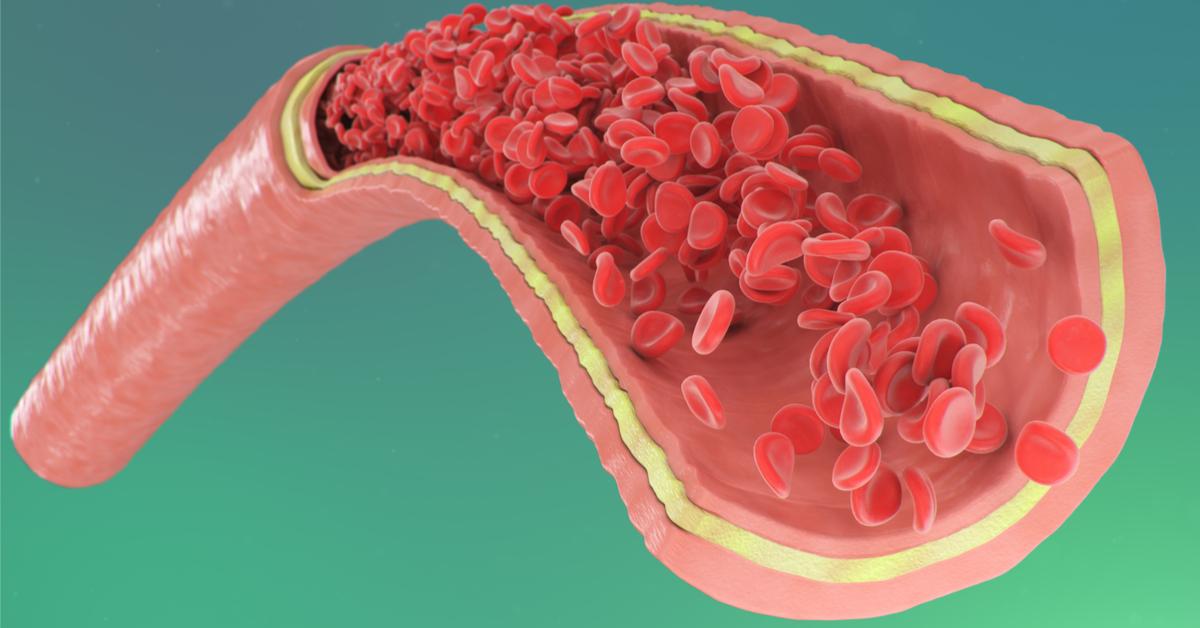
The symptoms of coronary artery insufficiency vary from one person to another. Common symptoms that may require medical evaluation include:
-
Chest pain, pressure, or heaviness.
-
Shortness of breath, especially during physical activity.
-
Pain that may radiate to the arm, shoulder, back, or jaw.
-
Unusual tiredness and fatigue.
-
Increased sweating.
-
Dizziness or nausea in some cases.
-
Reduced ability to perform normal daily activities.
-
Occasional heart palpitations.
Symptoms may differ between men and women, and some patients may experience less typical or less obvious symptoms. Therefore, recurring or unusual symptoms should not be ignored.
Causes of Coronary Artery Insufficiency and Risk Factors
Several factors may increase the risk of developing coronary artery disease. The most important include:
-
High blood pressure.
-
High cholesterol and blood lipid levels.
-
Diabetes.
-
Smoking.
-
Overweight and obesity.
-
Physical inactivity.
-
An unhealthy or unbalanced diet.
-
Increasing age.
-
A family history of heart and coronary artery disease.
Managing cardiovascular risk factors and having regular follow-up with a cardiologist can help identify problems early and support an appropriate prevention and treatment plan.
How Is Coronary Artery Insufficiency Diagnosed?
Diagnosis of coronary artery insufficiency begins with evaluating symptoms, medical history, and cardiovascular risk factors. The cardiologist then determines the appropriate diagnostic tests according to the patient's condition.
Diagnostic tests may include:
-
Electrocardiogram (ECG).
-
Echocardiography.
-
Exercise stress testing when appropriate.
-
Blood tests, including cholesterol and blood sugar measurements.
-
Selected coronary artery imaging tests.
-
Cardiac catheterization when a more detailed assessment of the coronary arteries is required.
Not every patient experiencing cardiac symptoms requires the same diagnostic tests. The appropriate tests are determined based on the medical evaluation and the patient's individual condition.
Treatment of Coronary Artery Insufficiency
Treatment of coronary artery insufficiency varies from one patient to another and depends on the degree of coronary artery narrowing, symptoms, overall health, and cardiovascular risk factors.
Treatment may include:
Lifestyle Modifications:
This may include following a heart-healthy diet, engaging in appropriate physical activity, maintaining a healthy weight, and avoiding smoking.
Medications:
A cardiologist may prescribe medications to control blood pressure, cholesterol, and diabetes or to reduce the risk of complications associated with coronary artery disease, depending on each patient's condition.
Therapeutic Cardiac Catheterization:
In some cases involving significant narrowing of a coronary artery, interventional cardiac catheterization may be considered as a treatment option. The need for this procedure is determined based on diagnostic findings and the cardiologist's evaluation.
Diagnostic and Therapeutic Catheterization for Coronary Arteries
Cardiac catheterization may be used in selected cases to examine the coronary arteries, identify areas of narrowing, and determine how the narrowing affects blood flow to the heart muscle.
In certain cases, catheterization can also be used as a therapeutic procedure to help improve blood flow through a narrowed coronary artery.
The decision to perform cardiac catheterization depends on the patient's symptoms, diagnostic test results, and overall health condition.
When Should You Visit a Cardiologist?
It is important to consult a cardiologist if you experience recurrent chest pain or pressure, shortness of breath during physical activity, or have multiple risk factors for cardiovascular disease.
Regular follow-up is also recommended for people with high blood pressure, high cholesterol, diabetes, or a family history of heart disease.
If you experience severe or persistent chest pain, sudden shortness of breath, or heavy sweating accompanied by chest discomfort, you should seek urgent medical care.
Why Choose Dr. Bashir Hafez in Dokki?
Dr. Bashir Hafez Mohamed Ali provides specialized cardiovascular and cardiac catheterization services. His qualifications and areas of expertise include:
-
Consultant Cardiologist and Cardiac Catheterization Specialist at the National Heart Institute.
-
Doctorate in Cardiology and Cardiac Catheterization.
-
Egyptian Board Fellowship in Cardiac and Coronary Artery Catheterization.
-
Member of the Egyptian Society of Cardiology.
-
Experience in diagnostic and therapeutic cardiac catheterization.
-
Diagnosis and follow-up of heart and coronary artery diseases.
-
Convenient clinic location in Dokki, Giza.
Book an Appointment with Dr. Bashir Hafez in Dokki
If you are searching for a cardiologist in Dokki or need an evaluation for symptoms associated with coronary artery insufficiency, you can contact Dr. Bashir Hafez Mohamed Ali to book an appointment and learn more about the available medical services.
📞 For appointments and inquiries: 01091177573
💬 WhatsApp: +201090083368
📍 Address: 45 Dokki Street – Dokki Square – 4th Floor – Above Farghaly Juice, Dokki, Giza
Dr. Bashir Hafez Mohamed Ali – Specialized care for heart and coronary artery health.