
🩸 Deep Vein Thrombosis in the Leg | Symptoms, Treatment and Prevention in Gesr El Suez
Have you ever experienced sudden leg pain or noticed swelling in one leg without an obvious reason? 🩸 These symptoms may seem simple at first, but they can sometimes be warning signs that require medical attention, especially when they are related to deep vein thrombosis (DVT) in the leg.
Deep vein thrombosis is a condition that requires accurate diagnosis and should not be ignored. Early detection can help start the appropriate treatment and reduce the risk of complications. A blood clot in the leg may appear as swelling, pain, heaviness, warmth of the skin, or changes in skin color, while some patients may have few or no noticeable symptoms.
When unusual leg symptoms appear, consulting a vascular specialist is an important step to determine the underlying cause and choose the appropriate treatment. Dr. Ahmed Gharib, Consultant of Vascular Surgery in Gesr El Suez, provides specialized diagnosis, treatment, and follow-up for leg blood clots, deep vein thrombosis, varicose veins, and vascular diseases.
📍 Contact Information for Dr. Ahmed Gharib
Dr. Ahmed Gharib
Consultant of Vascular Surgery, Diabetic Foot Treatment, Leg Blood Clots, and Varicose Veins.
Dr. Ahmed Gharib provides specialized medical care for diagnosing and treating vascular diseases, including deep vein thrombosis, leg blood clots, varicose veins, arterial diseases, and diabetic foot conditions, using modern medical and interventional techniques appropriate for each case.
🕒 Working Hours:
Daily from 8:00 PM to 12:00 midnight. Please confirm your appointment in advance.
🏥 Clinic Address:
Qubaa Specialized Hospital, 25 Ibrahim El Khalil Street, Qubaa City, Gesr El Suez, Cairo, Egypt.
🩸 Can Leg Pain or Swelling Be a Sign of a Blood Clot?
Deep vein thrombosis in the leg may begin with symptoms such as pain or swelling in one leg. Ignoring these signs can sometimes lead to serious complications.
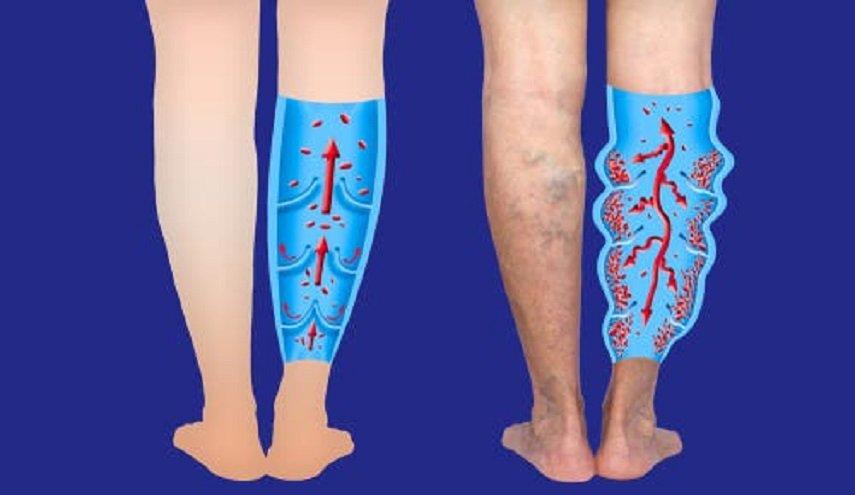
Deep vein thrombosis occurs when a blood clot forms inside one of the deep veins, most commonly in the leg or thigh.
Therefore, sudden swelling in one leg, unusual pain or heaviness, warmth of the skin, or a change in skin color should be medically evaluated, particularly in people who have risk factors for blood clots.
Dr. Ahmed Gharib, Consultant of Vascular Surgery in Gesr El Suez, provides specialized services for diagnosing, treating, and monitoring deep vein thrombosis and leg blood clots, as well as varicose veins, vascular diseases, and diabetic foot conditions.
In this article, we discuss deep vein thrombosis symptoms, causes, diagnosis, treatment options, warning signs that require urgent medical attention, and ways to prevent blood clots.
🔎 What Is Deep Vein Thrombosis?
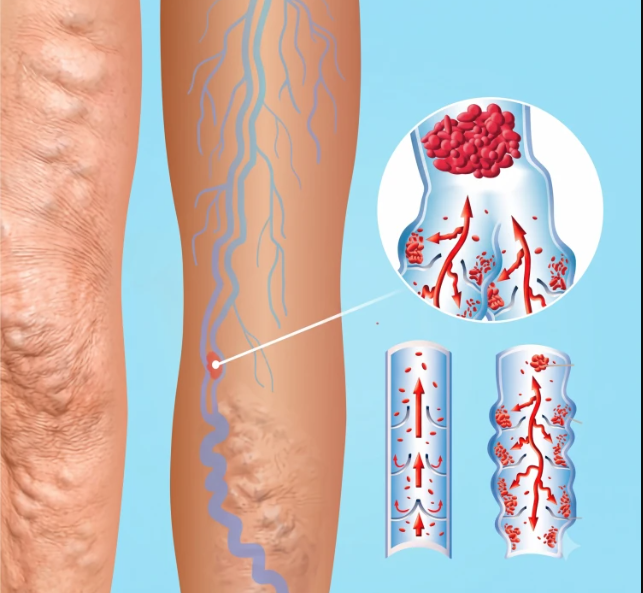
Deep vein thrombosis (DVT) is a blood clot that forms inside a deep vein, most commonly in the veins of the leg or thigh.
The clot can affect normal blood flow through the vein and may cause different symptoms depending on the location and severity of the condition. Some people may have few or no obvious symptoms.
Early diagnosis is important because a blood clot can sometimes travel from the leg to the lungs and cause a pulmonary embolism, which requires urgent medical care.
⚠️ What Are the Symptoms of a Leg Blood Clot?
Symptoms of deep vein thrombosis can vary from one person to another. Common warning signs may include:
- Swelling in one leg, especially when it develops suddenly.
- Pain or tenderness in the leg.
- A feeling of heaviness or tightness in the leg.
- Warmth in the affected area.
- Redness or changes in skin color.
- Increased pain when standing or walking in some cases.
It is important to understand that these symptoms do not necessarily mean that a blood clot is present. Other medical conditions can cause similar symptoms, which is why proper medical evaluation and appropriate diagnostic tests are important.
🚨 When Is a Leg Blood Clot an Emergency?
In some cases, a blood clot can travel to the lungs and cause symptoms that require immediate emergency medical care, including:
- Sudden shortness of breath.
- Chest pain.
- Rapid heartbeat.
- Severe dizziness or fainting.
- Coughing up blood.
If these symptoms occur, seek emergency medical care immediately rather than waiting to see whether the symptoms improve.
🧬 What Causes Deep Vein Thrombosis?
Deep vein thrombosis can develop due to several factors that affect blood flow or increase the body's tendency to form blood clots.
Common risk factors include:
- Prolonged sitting or lack of movement.
- Long-distance travel.
- Extended bed rest due to illness.
- Certain surgical procedures.
- Certain injuries or fractures.
- A previous history of blood clots.
- Some medical conditions that increase blood clotting risk.
- Certain medications and medical conditions, depending on the patient's individual circumstances.
The risk of developing DVT varies from person to person. A doctor should evaluate the patient's medical history and individual risk factors to determine the appropriate approach.
🩺 How Is Deep Vein Thrombosis Diagnosed?
Diagnosing deep vein thrombosis begins with evaluating the patient's symptoms, medical history, and risk factors.
The doctor may request diagnostic tests to confirm or rule out a blood clot. One of the most important tests is venous Doppler ultrasound, which helps evaluate blood flow through the veins and detect a blockage or clot when appropriate.
Additional tests may be required depending on the patient's symptoms, examination findings, and overall health condition.
💊 How Is Deep Vein Thrombosis Treated?
Deep vein thrombosis treatment depends on the location and size of the clot, the patient's overall health, risk factors, and whether complications are present.
In many cases, treatment involves medications that help prevent the clot from growing and reduce the risk of developing additional blood clots. The patient should be monitored according to the treatment plan determined by the physician.
Some patients may require specialized procedures or vascular interventions. The vascular surgeon determines whether an intervention is necessary based on the patient's individual condition.
⚠️ Do not start, change, or stop blood-thinning medications without medical advice. The appropriate medication, dosage, and treatment duration depend on a careful medical evaluation.
🦵 Does Every Case of Leg Pain or Swelling Mean There Is a Blood Clot?
Not necessarily.
Leg pain or swelling can have several causes, including muscle injuries, certain vein conditions, inflammation, and other medical problems.
However, sudden swelling in one leg accompanied by pain, warmth, or changes in skin color should be medically evaluated, particularly when the person has risk factors for blood clots.
A blood clot should not be diagnosed based on symptoms alone. Proper medical assessment is important.
🛡️ How Can Deep Vein Thrombosis Be Prevented?
Prevention depends on the patient's individual condition and risk factors. However, some general measures may help reduce the risk of developing blood clots, including:
- Avoid sitting for long periods without movement.
- Move your legs regularly during prolonged periods of sitting.
- Follow medical advice regarding early movement after certain surgeries or periods of illness.
- Follow your doctor's recommendations if you have risk factors for blood clots.
- Follow appropriate preventive measures before and after certain surgical procedures.
- Do not start or stop blood-thinning medication without consulting your doctor.
👨⚕️ When Should You See a Vascular Surgeon?
Medical evaluation is recommended when unusual leg symptoms develop, particularly sudden swelling or pain in one leg, or when a person has risk factors that increase the likelihood of developing a blood clot.
Specialized follow-up can also be important for people who have previously experienced a blood clot or have risk factors that require ongoing monitoring and preventive care.
🩺 Dr. Ahmed Gharib for Leg Blood Clot Treatment in Gesr El Suez
Dr. Ahmed Gharib, Consultant of Vascular Surgery, provides specialized diagnosis, treatment, and follow-up for vascular diseases, including deep vein thrombosis, leg blood clots, varicose veins, and arterial diseases.
His medical services also include the management of diabetic foot conditions using advanced techniques such as vacuum-assisted wound therapy when medically appropriate, in addition to specialized vascular assessment and treatment.
The clinic is located at Qubaa Specialized Hospital in Gesr El Suez.
📞 Book an Appointment with Dr. Ahmed Gharib in Gesr El Suez
🏥 Address:
Qubaa Specialized Hospital, 25 Ibrahim El Khalil Street, Qubaa City, Gesr El Suez, Cairo, Egypt.
📞 Appointment & Inquiry Numbers:
💬 WhatsApp:
🕒 Working Hours:
Daily from 8:00 PM to 12:00 midnight.
Please confirm your appointment in advance.
🔗 Related Vascular Surgery Topics
- Injection treatment for leg varicose veins (sclerotherapy).
- Laser treatment and surgical techniques for varicose veins.
- Diabetic foot treatment using vacuum-assisted therapy.
- Arteriovenous access for dialysis patients.