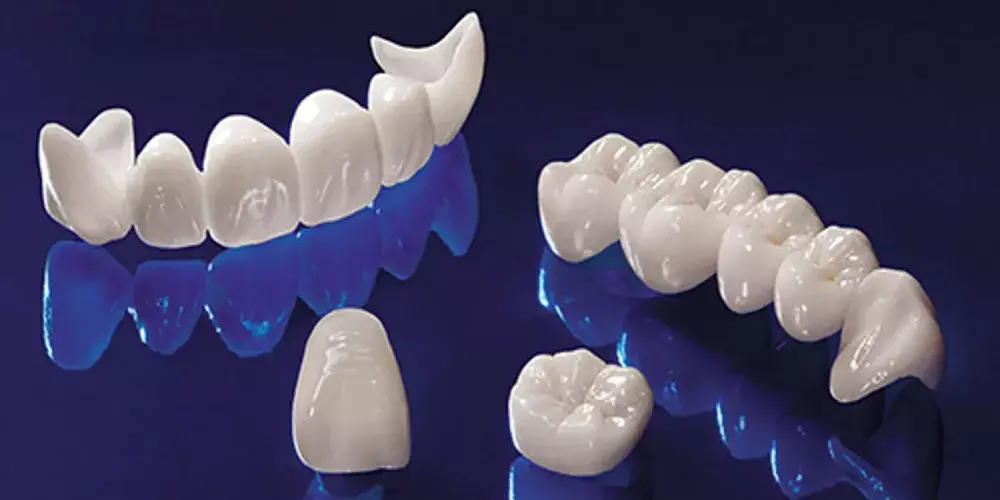

What Is the Relationship Between Dental Implants and Maxillofacial Surgery?
Some patients may require more than one procedure to achieve a suitable treatment result, especially when missing teeth are accompanied by insufficient jawbone or other conditions affecting the jaws.
This is where dental implants and maxillofacial surgery may overlap. Surgical procedures can sometimes help prepare the jaw for implant placement, while dental implants can provide a long-term option for replacing missing teeth when appropriate.
If you have missing teeth or need an evaluation for a jaw-related surgical condition, you can contact Nour Al-Islam Dental Center in New Borg El Arab at 01013319140 to schedule an assessment.

What Are Dental Implants?
Dental implants are designed to replace missing teeth by placing an implant into the jawbone to support a final dental restoration.
Dental implants are intended not only to improve appearance but also to restore important aspects of chewing function and provide support for the replacement tooth.
Who May Need Dental Implants?
Dental implants may be considered for patients who have lost:
- A single tooth.
- Several adjacent teeth.
- Multiple teeth in different areas.
- Most or all teeth in certain cases.
The suitability of dental implants depends on several factors, including jawbone condition, gum health, general health, and the type of tooth replacement required.
Main Stages of Dental Implant Treatment
The treatment process usually involves several stages, depending on the patient's individual condition.
1. Examination and Evaluation
Treatment begins with a dental and gum examination, along with an assessment of the jawbone. Appropriate imaging may be required to determine whether an implant can be placed safely and where it should be positioned.
2. Implant Placement
The dental implant is placed into the jawbone according to the treatment plan.
3. Healing and Integration
The implant requires a healing period during which it can integrate with the surrounding bone. The duration varies from patient to patient.
4. Final Restoration
Once the implant is ready, the final dental restoration is placed to restore the appearance and function of the missing tooth.
Can Dental Implants Be Placed When There Is Bone Loss?
Bone loss does not necessarily prevent dental implant treatment. However, some patients may require a surgical procedure to improve the quantity or quality of available bone.
These procedures may include bone grafting or jawbone augmentation, depending on the patient's imaging and clinical assessment.
What Is Maxillofacial Surgery?
Maxillofacial surgery covers a broad range of surgical procedures involving the mouth, jaws, face, and related tissues.
It is not limited to procedures associated with dental implants. It may also include impacted teeth, jawbone conditions, facial injuries, and other problems requiring specialized surgical evaluation.
Surgery for Impacted and Embedded Teeth
Some teeth, particularly wisdom teeth, may not erupt normally because of limited space or an obstruction.
In certain situations, surgical extraction may be recommended, particularly when the tooth causes pain, inflammation, infection, or pressure on neighboring teeth.
Bone Grafting and Jawbone Augmentation
Long-term tooth loss can sometimes lead to a reduction in jawbone volume, which may affect the available space for implant placement.
Some patients may therefore require bone grafting or jawbone augmentation to improve the area before implant treatment, depending on the clinical evaluation.
Sinus Lift and Dental Implants
In some upper-jaw implant cases, there may not be enough available bone between the jaw and the maxillary sinus.
A sinus lift may be considered in selected cases to prepare the area for dental implant placement.
This procedure is not required for every patient and depends on the available bone, sinus anatomy, and planned implant location.
Jaw Surgery and Jaw Relationship Problems
Some patients have jaw discrepancies caused by the underlying jawbones rather than the teeth alone.
These cases may require specialized surgical evaluation, particularly when the condition affects chewing, speech, or facial balance.
Treatment of Facial and Jaw Fractures
Facial injuries and jaw fractures may require specialized assessment to determine the extent of the injury and the appropriate treatment approach.
Management depends on the location and severity of the fracture and its effect on the teeth, jawbones, nerves, and surrounding tissues.
Cysts and Lesions of the Jaws
Some cysts or lesions may develop inside the jawbones and require examination, imaging, and sometimes surgical evaluation.
Treatment depends on the type, size, location, and relationship of the lesion to nearby teeth, nerves, and other structures.
How Is the Appropriate Procedure Selected?
There is no single surgical procedure suitable for every patient. The appropriate approach depends on accurate diagnosis and individual assessment.
Important factors may include:
- Number of missing teeth.
- Jawbone condition.
- Gum and remaining tooth health.
- Presence of infection or other oral conditions.
- Location of nerves and sinuses.
- General health.
- Final treatment goals.
Based on these factors, a treatment plan may combine several procedures when necessary.
Why Is Treatment Planning Important?
Careful planning helps determine the appropriate procedure and reduce unexpected complications during treatment.
Planning may include clinical examination, imaging, assessment of the bone and surrounding tissues, implant positioning, and determining the surgical steps needed for the treatment plan.
Dental Implants and Maxillofacial Surgery in New Borg El Arab
If you are looking for dental implants and maxillofacial surgery in New Borg El Arab, Alexandria, Nour Al-Islam Dental Center provides dental and surgical evaluation according to each patient's needs.
📍 Location: New Borg El Arab – Alexandria
📱 Call and WhatsApp: 01013319140
Contact the center to schedule an appointment and receive an appropriate evaluation.
Frequently Asked Questions
Does everyone who loses a tooth need a dental implant?
No. Several options are available for replacing missing teeth. The most suitable option depends on the condition of the mouth and jaw and the number of missing teeth.
Does jawbone loss prevent dental implants?
Not necessarily. Some cases can be treated with bone grafting or augmentation before or during implant treatment, depending on the patient's condition.
Does an impacted wisdom tooth always require surgery?
Not always. The decision depends on the tooth's position, symptoms, surrounding tissues, and imaging findings.
What is the difference between dental implants and maxillofacial surgery?
Dental implants are primarily intended to replace missing teeth, while maxillofacial surgery covers a broader range of surgical procedures involving the jaws, face, and mouth.
Can more than one procedure be performed as part of the same treatment plan?
Yes. Some patients may require multiple procedures, such as bone preparation before dental implant placement.
Schedule Your Evaluation at Nour Al-Islam Dental Center
Choosing the appropriate treatment starts with an accurate diagnosis. If you have missing teeth or need an evaluation for a surgical problem involving the mouth or jaw, contact Nour Al-Islam Dental Center in New Borg El Arab at 01013319140 to schedule an appointment.